

US Goods Inflation Runs Above Pre-Pandemic Pace as Trump Tariff Overhaul Hits Shoppers
New tariffs on imports drive core goods inflation, impacting consumer purchasing power.
Core goods inflation stood at 1.9 per cent year over year as of January, compared with a pre-pandemic average of minus 0.6 per cent—a shift economists have linked to the administration's tariff agenda.
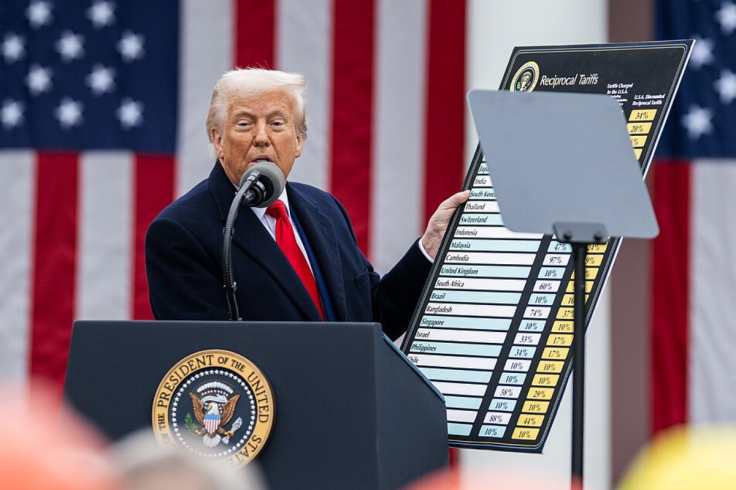
That backdrop comes as Trump's administration rolled out a fresh wave of tariffs on Friday, hitting imports from 60 trading partners with double-digit duties, officially justified as a crackdown on goods made with forced labour.
Fresh Tariffs Cover 99% of US Imports—but Replace Less Than 60% of Lost Revenue
The forced labour tariffs took effect at 12:01 am Friday and cover roughly 99 per cent of all US imports.
The timing coincides almost exactly with the expiry of the broader global tariffs Trump imposed last year under emergency powers, before the Supreme Court struck them down in February.
The Committee for a Responsible Budget, a nonpartisan group tracking federal deficits, calculated that the new forced labour tariffs, combined with separate levies on Canada and Brazil announced this month, will replace less than 60 per cent of the revenue lost when the Supreme Court ruling took effect.
Here We Go Again….American Businesses and American Consumers and American Workers Pay the Price for American Tariffs. Free Trade with Free Nations! 🇺🇸 https://t.co/zBcXWvNrUE pic.twitter.com/pTqjyiV65m
— Mike Pence (@Mike_Pence) July 25, 2026
Inflation Data Shows The Squeeze
Official figures from the US Bureau of Labor Statistics show the Consumer Price Index for All Urban Consumers rose 3.5 per cent over the twelve months to June 2026, even as the seasonally adjusted monthly reading dipped 0.4 per cent.
Food prices climbed 3.0 per cent over the same year, with food eaten at home up 2.7 per cent and food eaten away from home up 3.4 per cent, the bureau's data shows.
The Minneapolis Fed's analysis points to a similar pattern building beneath the headline numbers. Its researchers found housing inflation has returned to its pre-pandemic rate and core services have stayed broadly stable, while core goods inflation has been rising steadily since late 2024.
Separate analysis from the Wall Street Journal has tracked the same trend, describing an economy where sudden tariff changes, disrupted supply chains and higher import costs have become a recurring feature of the past eighteen months.
Electronics, Clothing and Groceries: How the Tariff Squeeze Reaches the Checkout
For consumers, the practical effect is a slow erosion of purchasing power rather than a single dramatic price spike.
Goods that rely heavily on imported components, among them electronics, clothing and household appliances, are typically the first to reflect new tariff costs, since importers tend to pass on some or all of the higher duties.
Grocery bills have also crept upward, with food at home prices running above 2.5 per cent annual growth as of the most recent BLS reading.
For households already managing tighter budgets, the combination of tariff-related import costs and steady food price increases means day-to-day spending is likely to stay under pressure through the rest of 2026. Even if headline inflation appears to ease month to month, the squeeze on essential goods is expected to persist.
Tariffs are ultimately paid by importers, not by the exporting country, and that cost is frequently passed down the supply chain to the shelf price. The scale of the latest measures, covering the vast majority of US imports, means the effects are unlikely to stay confined to a handful of product categories.
For a UK audience, the story matters because sustained US inflation and trade policy volatility can ripple into global supply chains, currency markets and the cost of goods traded internationally, well beyond America's borders.
© Copyright IBTimes 2026. All rights reserved.