US Killed 221 in Drug Boat Strikes Despite Officials Not Always Knowing Who Was On Board
Senator Tim Kaine says classified evidence shows innocents among 221 killed in secretive US military campaign

The United States has killed at least 221 people in military strikes against suspected drug-smuggling boats, despite officials not always knowing the identities of everyone aboard the targeted vessels.
The Trump administration says the campaign, known as Operation Southern Spear, targets 'narco-terrorists' transporting drugs through the Caribbean and eastern Pacific. However, it has released limited public evidence identifying those killed or proving that every person aboard was involved in trafficking.
Senator Tim Kaine has now warned that classified information reviewed by Congress suggests some victims had no connection to the drug trade. In a letter to President Donald Trump, the Virginia Democrat described them as 'murder victims' and demanded an end to the campaign.
Classified Files Raise Doubts
Kaine, who serves on both the Senate Armed Services Committee and Senate Foreign Relations Committee, said he reviewed the administration's directive, its classified legal opinion, operational orders and notifications sent to Congress following the strikes.
That review, he argued, showed the attacks had extended beyond even the limits established by the administration's own legal justification.
'A careful review of the available evidence suggests that the United States has killed individuals who are not involved in narcotrafficking,' Kaine wrote in the letter to Trump.
Military officials reportedly do not always know the identities of every person travelling aboard the boats before authorising attacks. Authorities have also declined to disclose the criteria used to decide whether a vessel should be intercepted by the Coast Guard or destroyed by the military.
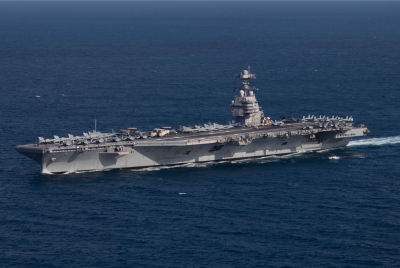
Since the campaign began in September 2025, US forces have reportedly attacked 67 boats in 63 separate incidents. Only three survivors are known to have been recovered, while 23 others who survived initial strikes were never found.
Two survivors were allegedly killed in a follow-up attack, an incident Kaine previously said could amount to a war crime.
White House Defends Campaign
The administration maintains that the targeted vessels were operated by designated terrorist organisations and were travelling along established drug-smuggling routes.
White House spokeswoman Anna Kelly rejected Kaine's accusation, saying every strike had targeted designated narco-terrorists attempting to bring drugs towards the United States.
US Southern Command has issued similar statements after individual attacks. Following the latest publicly announced strike on 21 June, it said intelligence had confirmed that the targeted vessel was engaged in narcotics trafficking in the Caribbean.
The administration has told Congress that America is engaged in an armed conflict with drug cartels. This classification allows suspected traffickers to be treated as unlawful combatants and targeted without an arrest, trial or judicial review.
Kaine disputes that legal position and argues that conventional law-enforcement methods should be used against suspected smugglers.
The strikes have been paused since 21 June, although the administration has not publicly explained why. It also remains unclear whether the operation will resume.
Kaine called the campaign 'illegal, costly and ineffective', arguing that killing crews at sea has not dismantled the trafficking networks responsible for moving drugs through the region.
His intervention shifts scrutiny towards the central question surrounding Operation Southern Spear: whether the United States had sufficient evidence against each person before using lethal military force.
© Copyright IBTimes 2026. All rights reserved.
- Recommended For You