

'We Don't Need the Hormuz Strait': Trump Claims US and Venezuela Now Control 62% of World's Oil Market
U.S. and Venezuela's Oil Market Control Sparks Strategic Shifts
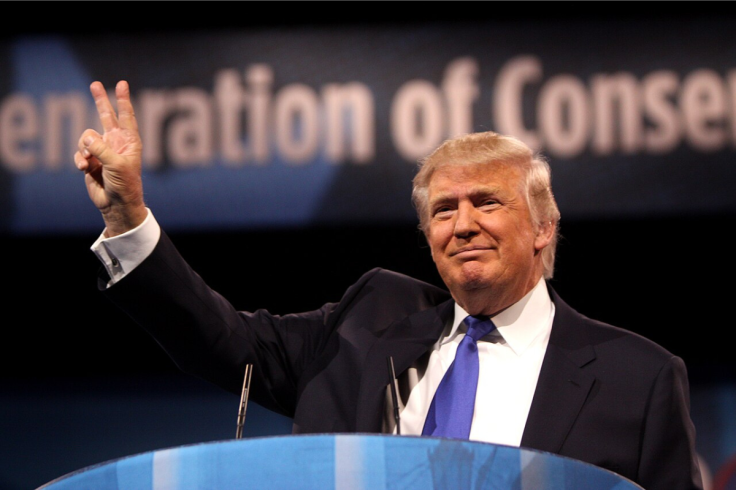
President Donald Trump has claimed that the United States no longer depends on the Strait of Hormuz, declaring at a rally that America and Venezuela together now control around 62 per cent of the world's oil market.
Speaking in Georgia on Wednesday, he said recent US actions have reduced the country's exposure to Middle Eastern shipping routes.
The conflict in the region flared again earlier this month when Iranian forces targeted a Cyprus‑flagged vessel in the Strait of Hormuz. The attack prompted US retaliatory strikes that have continued, with the military carrying out its eleventh consecutive night of operations on Tuesday.
Oil Market Claims and the Strait of Hormuz
Trump linked what he described as America's strengthened position to the military operation that removed Venezuelan leader Nicolás Maduro at the start of the year. He said that efforts to secure and rebuild Venezuela's petroleum reserves could alter global energy supply in the years ahead.
'It's been incredible actually, it's got serious oil,' Trump told the crowd in Georgia. 'In fact, if you combine us and Venezuela, we have about 62% of the world's oil market, so we don't need straits, we don't need anything.'
Although he argued that the Strait of Hormuz is no longer central to American energy security, Trump said US military action against Iran would continue. He said Washington could not allow Tehran to control the waterway and use oil revenue to advance its nuclear programme.
'We don't need the Hormuz Strait, but we do it because we have to do it,' he said, turning away from the microphone. 'Because we cannot let Iran have a nuclear weapon.'
Retaliatory Strikes and Rising Tensions in Key Sea Lanes
Trump's comments at the rally came after he issued a warning to Iran hours earlier. Writing on Truth Social, he threatened to destroy 'ONE BRIDGE OR POWER PLANT' for every ship Iran attacks in the strait. The message followed the upsurge in attacks in and around the waterway this month.
The US military says the Strait of Hormuz 'remains open', but Iranian forces have continued to strike shipping vessels and target neighbouring Gulf states. At the same time, Houthi forces backed by Tehran have issued threats to the Bab el‑Mandeb Strait.
The disruption has been accompanied by a sharp rise in global oil prices over the past two weeks.
The human impact of the conflict was highlighted on Wednesday when Trump attended a dignified transfer for US personnel killed in recent Iranian strikes. Since the war began, 18 American service members have died.
Trump also sought to defend the air campaign by describing the Iranian government as 'murderous thugs.' He said Tehran had killed 52,000 protesters over the past year.
Trump: We don’t need straits. We don’t need anything. We don't need the hormuz strait. pic.twitter.com/FCAEKOl6v3
— Acyn (@Acyn) July 22, 2026
Strategic Energy Moves Beyond Hormuz
Alongside the military confrontation, Washington is adjusting its energy and diplomatic partnerships in the Persian Gulf. The US Department of Energy announced on Wednesday that it had reached a commercial nuclear agreement with Saudi Arabia.
Energy Secretary Chris Wright and Saudi Energy Minister Prince Abdulaziz bin Salman signed the cooperation and safeguards accord.
The agreement allows a civilian nuclear programme in Saudi Arabia for electricity generation and other peaceful uses, with military applications prohibited. It creates scope for possible uranium enrichment in the kingdom, subject to tight controls by a contracted company after detailed studies.
US officials say the deal reflects closer ties between Washington and Riyadh. Iran, Saudi Arabia's main regional rival, has long argued for its own right to maintain a civilian nuclear programme. The Saudi accord was concluded as US forces continued to strike Iranian targets.
© Copyright IBTimes 2026. All rights reserved.