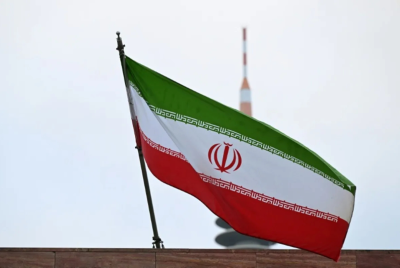
US Military Redirects 35 Ships and Disables Tankers Attempting To Breach Resumed Iran Blockade
Tensions rise as us naval forces enforce blockade amid diplomatic efforts.
American naval forces enforcing a resumed Iran blockade in the Arabian Sea have redirected 35 commercial vessels, disabled two tankers and boarded two others as of Sunday, according to United States Central Command.
The operations, centred on the Nimitz-class aircraft carrier USS Abraham Lincoln in the Gulf of Oman, are directed at merchant traffic accused of attempting to breach shipping restrictions re-established around Iran.
US President Donald Trump announced the conditional suspension of a planned military strike on Iranian targets, citing what he said were urgent requests from Iran and other Middle Eastern countries to pursue diplomatic negotiations instead.
According to those statements, any prospective agreement hinges on the immediate, complete opening of the Strait of Hormuz and an enforceable halt to Tehran's nuclear advancement programme, while naval tensions continue across key regional sea lanes.
Naval Interceptions Under Resumed Blockade
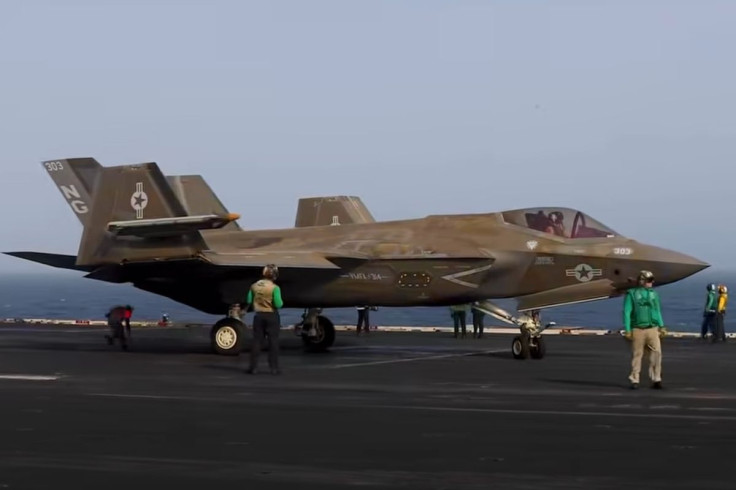
Official military footage released alongside the command updates showed a US Marine Corps F‑35C stealth fighter jet launching from the flight deck of the USS Abraham Lincoln during maritime transit through the Arabian Sea.
Satellite observations confirmed that the aircraft carrier was positioned approximately 108 nautical miles off the Iranian coast without a visible close escort, leaving the capital ship operating within theoretical reach of land-based Iranian anti-ship missile batteries.
Iranian defence officials responded to the blockade enforcement by describing American statements as information warfare while at the same time raising domestic military readiness.
Acting Minister of Defence Seyyed Majid Ibn al‑Reza stated via the ISNA news agency that Tehran would not dismiss statements from adversaries and would treat every threat as real and significant to strengthen national deterrence capabilities.
The Iranian defence leadership said that while recent public announcements from Washington are viewed as psychological posture, armed forces stationed along the southern coast remain prepared for operational contingencies.
Official statements from Tehran said that defensive measures will continue to adapt to external military pressure, reflecting opposition to maritime restrictions imposed without international consensus.
A U.S. Marine Corps F-35C stealth fighter jet launches from USS Abraham Lincoln (CVN 72) as the aircraft carrier transits the Arabian Sea and supports the U.S. blockade against Iran. As of Aug. 2, CENTCOM has redirected 35 commercial vessels, disabled 2, and boarded 2. pic.twitter.com/Bh84WHh3nu
— U.S. Central Command (@CENTCOM) August 2, 2026
Diplomatic Talks and Blockade Conditions
Despite the ongoing confrontations at sea, diplomatic channels remain tentatively open following statements from Washington indicating that Middle Eastern governments requested a pause in military action to allow space for treaty talks.
Trump stated on Truth Social that Israel joined the commitment to hold off kinetic strikes, provided Iranian leadership moves rapidly to formalise terms regarding maritime transit and nuclear development.
The ongoing blockade actions follow Iranian restrictions on commercial vessel traffic passing through the Strait of Hormuz, a critical global energy chokepoint that handles a major share of international petroleum trade.
Commercial tracking data indicates that global merchant shipping lines have increasingly rerouted vessels or suspended transit operations altogether in response to the heightened naval presence and active enforcement measures across the region.
Central Command affirmed that US forces will continue executing maritime interdictions, including boardings and vessel diversions, as long as the current enforcement mandate remains active.
With both countries maintaining heavily armed formations near vital waterways, the resumption of standard commercial navigation depends on whether negotiators can formalise the preliminary deal parameters into a binding treaty.
© Copyright IBTimes 2026. All rights reserved.
- Recommended For You