

China's Douyin Streams Trigger 'Human Trafficking Vibes' as Exhausted Idols Are Trapped in Gift-Driven Dance Routines
The viral clips are unsettling viewers, but the bigger story is a booming industry built on rankings, virtual gifts and relentless visibility
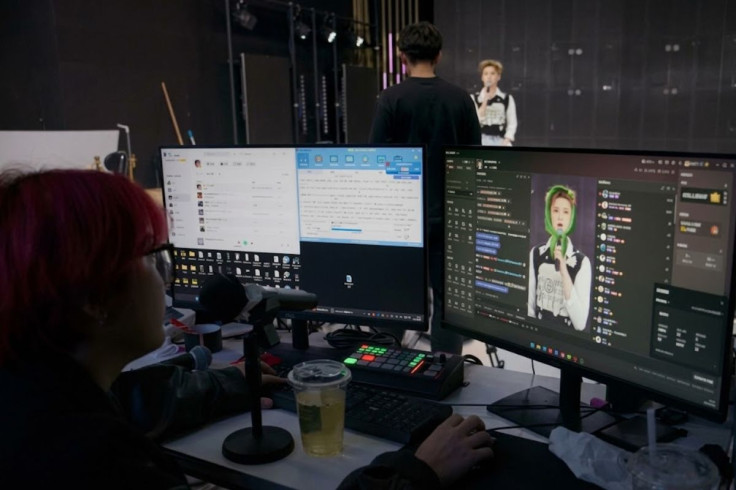
Viral clips of exhausted-looking performers on China's Douyin platform, repeating short dances in gift-fuelled livestreams, have unsettled viewers and prompted online comments about 'human trafficking vibes', even though there is no evidence of trafficking or forced labour in the footage.
The phrase reflects a subjective, unverified reaction to the clips, not a finding about the performers' employment conditions. The videos do not establish human trafficking, forced labour, coercion or any particular breach of labour law. However, they have renewed attention on pressures within China's fast-growing tuanbo, or group-livestreaming, sector.
Some performers in the industry said they spend up to 10 hours a day training, rehearsing, livestreaming and interacting with viewers.
Viral Douyin Clips Raise Concerns
One social media commenter said the footage had 'human trafficking vibes', a phrase that has since been repeated in online discussion of the broadcasts. It is a subjective reaction to the clips, rather than an allegation verified by the footage or evidence about the performers' employment conditions.
The clips cannot show how long a particular performer had been dancing, what breaks were available, whether the person chose to continue or what their work agreement required. However, they have renewed questions about the pressures of digital entertainment jobs built on constant visibility and real-time audience engagement.
@itswonnylol The Chinese Idol Industry is wild…#asian #chinese #douyin #wonny ♬ original sound - Wonny
Inside China's Tuanbo Livestream Scene
Tuanbo is a group-livestream format in which performers dance, sing and interact with viewers on platforms including Douyin and Kuaishou. Viewers can send paid virtual gifts that can lift performers' rankings, visibility and potential earnings during broadcasts.
It was found that tuanbo sessions typically last between 30 minutes and an hour, though the wider workday can extend much longer. It was also reported that performers may spend up to 10 hours a day rehearsing, filming, livestreaming and maintaining contact with fans.
That distinction is important. The viral footage does not prove that performers dance continuously for 10 hours, but it has given viewers a glimpse of work that can combine physical performance, preparation and ongoing fan interaction across a full day.
Long Hours Behind Idol Performances
Zhongxinghui Culture Media, a Shenzhen company whose largest group-livestream base covers 15,000 square metres and operates around the clock. The facility includes livestream studios, rehearsal areas, make-up spaces and costume production, underlining the professional scale behind the quick clips seen on social media.
Giant digital boards at the facility update continuously according to livestream traffic, fan engagement and virtual gifts.
Performers can monitor their own standing on phones, making rankings a persistent measure of attention and commercial value.
Ka Qi Miao, a 29-year-old former print model, told Chan he trained for up to 10 hours a day after joining the industry without a dance background.
'When everyone only sees the glamorous side of a job, they rush in,' he said. 'Then the industry becomes very competitive.'
An Lan, a 26-year-old livestreamer from Jiangxi, said performers can spend hours repeating the same movement. He said he could spend up to 10 hours each day rehearsing, livestreaming and interacting with viewers.
Virtual Gifts and Financial Pressure
The financial rewards in tuanbo can vary sharply. Industry experts said that performers can earn from a few thousand yuan to more than 100,000 yuan a month, while operators estimated that only one in 10 workers remains in the sector long term.
Virtual gifts are central to that economy. A Douyin 'Carnival' gift can start at 30,000 diamonds, or roughly 3,000 yuan, and can affect rankings, visibility and potential earnings.
A Guangdong fan known online as Nian An said he spent more than 800,000 yuan in three months supporting one tuanbo performer. He described the format as 'easily accessible idol culture', but said regular contact and flirtatious interactions could 'test' and 'blur' emotional boundaries.
The industry's scale has grown quickly, with estimates cited in the report placing the tuanbo market at 40 billion yuan in 2026, up from 15 billion yuan in 2025. More than 8,000 group livestream rooms went live daily nationwide in 2025, according to the China Association of Performing Arts.
Growing Scrutiny of Tuanbo
The opportunities have attracted young people looking for routes into performance and online visibility, but the sector is also facing questions over income instability, emotional labour and the way agencies manage performers and fans. It was noted that the industry has become increasingly competitive as more people pursue the prospect of online fame.
Public debate intensified after a 26-year-old former performer identified in Chinese media as Xiaoyu said she earned only 26 yuan after a month at a Changsha livestream agency. She said: 'Maintaining top supporters was more important than dancing.'
The Douyin videos do not substantiate the serious implication behind the phrase 'human trafficking vibes'. But the reaction has put a spotlight on tuanbo, where young performers' prospects can be tied to hours of preparation, a constantly shifting leaderboard and an audience willing to pay for attention.
© Copyright IBTimes 2026. All rights reserved.