Chris Camillo Predicts Massive Demand For AI-Proof Job — 'Every Company Will Need One'
Camillo thinks AI translators could become key business figures, appealing to professionals who understand both business and AI

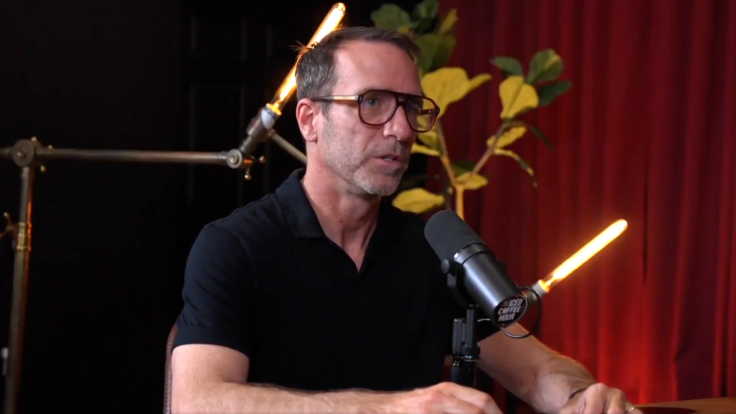
Artificial intelligence is reshaping workplaces at remarkable speed. From customer service to software coding, companies are racing to automate tasks once handled by people. The shift has created excitement in boardrooms but anxiety among workers who fear their jobs could disappear. Yet investor and entrepreneur Chris Camillo believes one profession could become more valuable because of AI, not despite it.
Camillo predicts that 'AI translators' will emerge as one of the biggest career opportunities of the future. In his view, these professionals will act as the bridge between advanced AI systems and the practical problems businesses face every day. His comments arrive as firms across the UK, Europe, and the US continue to invest heavily in artificial intelligence while still struggling to understand how to apply the technology effectively.
The Human Link Between AI and Business
Camillo argues that companies do not simply need engineers who can build AI systems. Instead, they need people who understand both business operations and the capabilities of artificial intelligence. He describes AI translators as professionals who can identify problems inside a company and determine whether AI can solve them faster, cheaper, and more efficiently.
'I think every company in the world needs an AI translator,' Camillo said. 'Someone just to be that medium between the world of AI and all of their problems.'
According to Camillo, these professionals would not operate as traditional prompt engineers. Their role would go far beyond writing instructions for chatbots or language models. Instead, they would examine workflows, assess inefficiencies, and identify whether AI tools could reduce costs or improve productivity.
Chris Camillo predicts "AI Translators" will be one of the BIGGEST careers in the future.
— The Iced Coffee Hour (@TheICHpodcast) May 26, 2026
"I think every company in the world needs an AI translator. Someone just to be that medium between the world of AI and all of their problems.
So, anytime you have a problem, that AI... pic.twitter.com/tWfg1XoBxZ
Many companies are still uncertain about how to use AI systems effectively. Artificial intelligence tools now exist for marketing, logistics, finance, customer support, and recruitment. Yet business leaders often struggle to decide which systems are genuinely useful and which are driven by hype. That uncertainty has increased demand for specialists who can translate technical capabilities into practical business decisions.
Why Firms Are Searching for Clarity
The demand for AI expertise has grown sharply since the release of generative AI platforms such as OpenAI's ChatGPT and similar products from rivals, including Google and Microsoft. Businesses now face pressure from investors and competitors to adopt AI quickly. At the same time, many executives remain unsure where to begin.
Some companies have invested heavily in AI projects with limited results. Others fear they could fall behind if they move too slowly. Industry recruiters and technology consultants have increasingly described AI integration and advisory roles as a growing area of demand.
Camillo believes AI translators could eventually become central figures inside businesses, much like IT managers and digital transformation specialists did during earlier technological shifts. The role may also appeal to workers outside engineering backgrounds. Professionals with experience in operations, sales, finance or marketing may be well placed to understand both business challenges and AI solutions.
A Job AI May Struggle to Replace
Ironically, Camillo's prediction centres on a role designed to manage AI adoption itself. He believes the position depends heavily on judgement, communication, and business understanding. Those qualities remain difficult for AI systems to replicate fully.
An AI translator must understand company priorities, workplace concerns, and operational realities. They must also explain complex technology in language senior decision-makers can understand. That human layer remains important.
While AI can automate repetitive tasks and process large volumes of data, many organisations still rely on people to make strategic decisions and assess risk. The World Economic Forum has previously warned that automation may replace some jobs while also creating new roles focused on oversight, critical thinking, and technology management. Camillo's prediction reflects that wider shift in the labour market.
Fear and Opportunity in the AI Era
The rise of artificial intelligence has triggered both optimism and concern across global industries. Some workers fear redundancy. Others see opportunity in learning how to work alongside intelligent systems rather than competing against them.
Camillo appears firmly in the second group. His vision suggests the future workplace may not belong only to coders or software engineers. Instead, companies may increasingly value people who understand technology while remaining focused on human problems and business needs.
For many firms, the challenge may no longer be whether to adopt AI. The greater task could be finding professionals capable of guiding that transition effectively and responsibly. If Camillo's prediction proves accurate, AI translators could soon become some of the most sought-after professionals in modern business.
© Copyright IBTimes 2026. All rights reserved.
- Recommended For You