AI Weapons Era Begins in North Korea as Kim Jong Un Oversees First 'Autonomous Warfare' Tests
Kim Jong Un oversees AI-guided missile tests, saying that 'no one can match' North Korea's military capability.
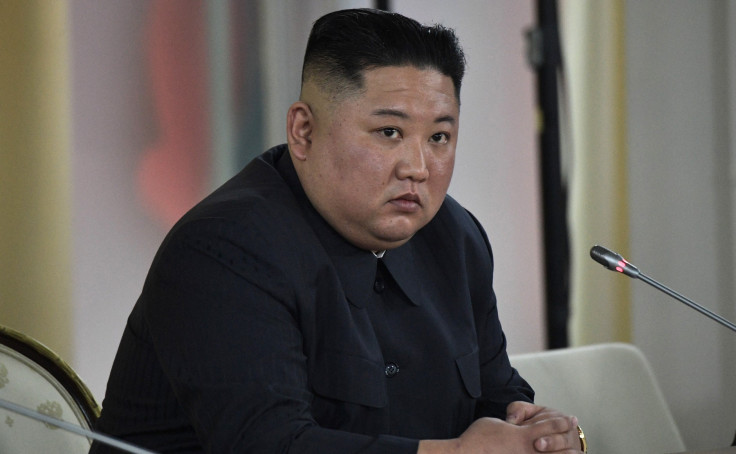
North Korea has carried out what it says are the country's first missile tests involving artificial intelligence guidance systems, with leader Kim Jong Un overseeing the launches in a display that state media described as a step towards 'modern warfare'.
According to Sky News, the announcement was made by the Korean Central News Agency (KCNA), which said the tests involved multiple weapons systems, including ballistic missiles, cruise missiles and a 240mm rocket artillery platform fitted with what it called 'ultra-precision' navigation technology. Some of the systems were also described as capable of carrying nuclear warheads or 'special mission' payloads designed for battlefield use.
State media claimed the weapons had been upgraded with automated launch systems and improved targeting functions, aimed at increasing effectiveness in combat conditions.
Kim was quoted as saying the weapons 'suit the proper conditions of modern warfare so as to enhance their application to combat,' while also urging further efforts to strengthen artillery units so that 'no one can match' North Korea's military capability.
Push Towards Automated Warfare
North Korea has steadily increased its missile testing programme over recent years, particularly after high-level diplomatic talks with the United States collapsed in 2019. Since then, Kim Jong Un has placed greater emphasis on expanding nuclear and missile capabilities while taking a more confrontational stance towards South Korea, which he has described as his country's 'most hostile enemy.'
The latest tests come amid rising tensions on the Korean Peninsula. South Korea's military said it had detected multiple North Korean projectiles launched a day earlier, including at least one short-range ballistic missile fired towards its western waters. Officials in Seoul said the missile travelled around 50 miles (80km), although details on other projectiles were not immediately confirmed.
KCNA did not provide independent verification of the AI systems used, and outside experts are unable to confirm the full extent of North Korea's technological progress. Analysts have long noted that state media reports often combine operational weapons tests with systems still in development, making it difficult to assess how advanced the technology truly is.
Still, the latest launches suggests a shift in how Pyongyang wants its military capability to be viewed.
North Korea Tests AI Weapons Amid Rising Regional Tensions
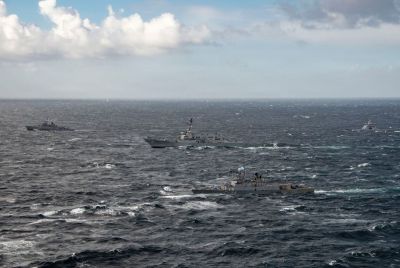
Earlier this year, Kim observed missile launches from the 5,000-tonne destroyer Choe Hyon, where cruise missiles and anti-ship weapons were fired during naval drills. North Korean state media said these exercises showed a more modern and responsive military, similar to how it is now describing the latest AI-related tests.
In recent years, North Korea has also strengthened its ties with countries like Russia and maintained close relations with China. Western governments say this growing network could help North Korea continue developing its weapons programme despite international sanctions aimed at slowing it down.
To this day, it's difficult to confirm exactly how advanced these systems really are, especially when it comes to whether artificial intelligence is truly involved.
What is clear is that North Korea is carrying out more frequent missile tests and using more modern language around automation and precision. But analysts still question whether these are genuine technological breakthroughs or carefully staged demonstrations meant to project strength to the outside world.
Countries Using AI in Military
North Korea is not the first country to use AI in military systems. The United States, China, Russia and Israel have all been developing or using AI-assisted defence technology for years, mainly in areas like surveillance, drone operations, missile defence and battlefield decision-making.
But in most of these cases, AI supports human operators rather than fully controlling weapons independently, but it is already widely integrated into modern military systems.
© Copyright IBTimes 2025. All rights reserved.
- Recommended For You