

More iPhone Models Added to Apple's 2026 Vintage List — iPhone 11 Among Them
Understanding Apple's vintage and obsolete device policies

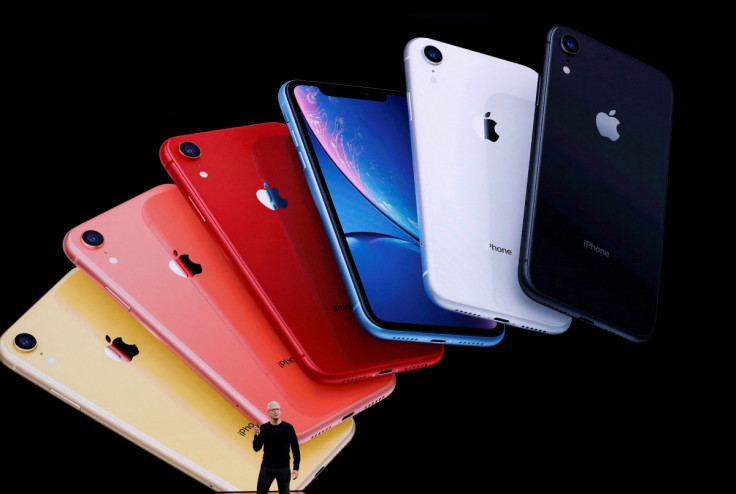
It's that time of year when Apple updates its records, moving several former flagship devices into a new lifecycle phase. For many users, the 2026 update hits home as the once-ubiquitous iPhone 11 officially joins the ranks of vintage devices. If you are still clutching your trusty handset, here is what this transition actually means for your future repairs and support.
Apple has refreshed its catalogue of iPhones deemed behind the times, as the company halts physical repairs for gear approaching the end of its life. Per official policy, once a device is branded as antiquated, all technical assistance ceases, and certified technicians lose the ability to request new components.
The manufacturer further clarified that this status applies to gadgets, even if they were bought quite recently.
How Apple Groups Ageing iPhone Models
The Tim Cook-led tech behemoth considers products vintage once they have been off the market for more than five but less than seven years. These older handsets might still get fixed, though it depends entirely on whether the necessary parts are still sitting on a shelf somewhere.
Once a device has been out of circulation for over 7 years, it is officially labelled obsolete, permanently ending all hardware repairs worldwide.
The new dual-camera on iPhone 11. For Ultra Wide photos. And the highest quality video in a smartphone. Buy now.
— Apple (@Apple) November 1, 2019
This ranking method allows the firm and its certified repair shops to focus on maintaining current hardware while gradually retiring older generations as tech advances and components become harder to find.
Official Repair Paths Close for Obsolete Devices
If you are still using one of these older iPhones, the new labels mean that getting help at an Apple Store or through a certified shop is no longer an option for obsolete models. This restriction covers everything from simple battery swaps to fixing a cracked screen, as the manufacturer has stopped providing the genuine components needed for these repairs.
Apple unveiled the 'iPhone X' — here are the best features of the $999 phone #AppleEvent pic.twitter.com/s0ZkBriE6H
— Jc (@Jc_ArtsCase) September 12, 2017
While vintage hardware might still be eligible for help, everything depends on whether Apple actually has the spare components in stock. Once those specific supplies run out, these models are essentially treated as obsolete, as there is no longer a way to officially service them.
Global List: iPhone Models Now Considered Vintage
The following handsets are currently categorised as vintage on a global scale, which means they might still be eligible for repairs if the manufacturer has the right parts on hand:
- iPhone 4 (8GB)
- iPhone 5
- iPhone 6s (16GB, 64GB, 128GB)
- iPhone 6s Plus
- iPhone 7 and 7 Plus (including (PRODUCT)RED™)
- iPhone 8 and 8 Plus (64GB, 128GB, 256GB variants, including (PRODUCT)RED™)
- iPhone X
- iPhone XS and XS Max
- iPhone 11 Pro and 11 Pro Max
End of an Era: iPhone Models Now Obsolete Worldwide
The following handsets have officially reached obsolete status across the globe, meaning Apple has ended all physical support, and authorised technicians can no longer order the parts needed to fix them:
- iPhone (Original)
- iPhone 3G and 3GS (including all regional variants)
- iPhone 4 and 4S (including GSM and CDMA models)
- iPhone 5C and 5S
- iPhone 6 and 6 Plus
- iPhone 6s and 6s Plus (specifically the 32GB versions)
- iPhone SE (First generation)
Repair Alternatives: Outside Help Options
If you own an obsolete iPhone and need a fix, your only choice now is to visit an independent repair shop that uses non-Apple parts or components taken from other used devices. It is a good idea for users to check where their phone sits on Apple's vintage and obsolete lists to see what official help, if any, is still available.
© Copyright IBTimes 2026. All rights reserved.
- MOST POPULAR IN Technology


