Australian Mum's GoFundMe For a 'Lost Handbag' During Bondi Shooting Slammed For Being 'Tone Deaf'
A fundraiser for personal losses draws backlash in the shadow of a horrific mass shooting that left 16 dead

An online fundraiser to replace a handbag lost amid the chaos of a terror attack at Sydney's Bondi Beach has ignited fierce public backlash, as families grapple with profound loss and a nation mourns its dead.
On Dec. 14, 2025, two gunmen opened fire at a Hanukkah by the Sea celebration at Archer Park, near Bondi Beach in Sydney, killing 16 people and injuring dozens more in what authorities have declared a terrorist incident.
In the midst of that tragedy, a single Australian mother's GoFundMe campaign to replace her lost handbag and phone has become an unexpected flashpoint in public discourse on grief and empathy.
Controversial Fundraiser Draws Public Backlash
In the aftermath of the shooting, the unnamed mother, identified in social media reporting as Tara Burns, launched a GoFundMe campaign seeking £400 (about $500) to replace her handbag and mobile phone, which she said she lost while fleeing the scene. The fundraiser was later removed amid mounting criticism.
The original post reportedly stated that Burns and her children were celebrating her daughter's fifth birthday when the shooting erupted. In the panic to escape, she said she lost her belongings, including important identification documents and her phone.
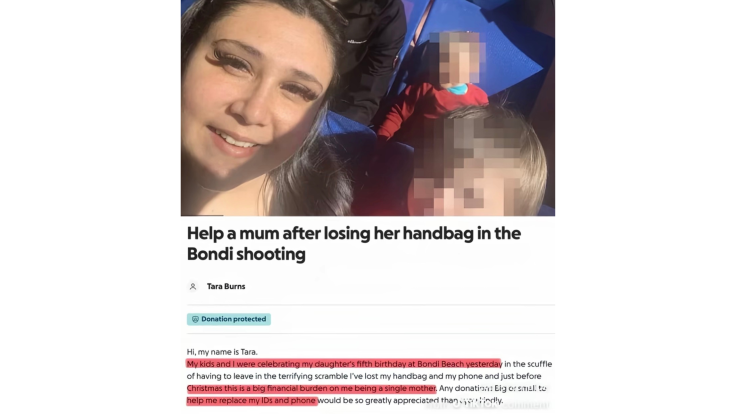
One commenter shared on TikTok that she encountered the page while attempting to donate to verified victims' funds. 'Families have lost their loved ones, and this woman is concerned about her handbag,' she said. 'What is going on?'
Critics branded the petition 'self-absorbed' and 'tone-deaf', especially given the scale of the tragedy, while others pointed out the symbolism of public sympathy being diverted from collective mourning to a personal loss of property.
Supporters of the fundraiser argued that the mother was herself a victim of the attack, traumatized and financially vulnerable as a single parent, and deserved empathy rather than derision.
Context of Tragedy and Trauma
The Bondi Beach shooting marked one of the darkest moments in modern Australian history. At approximately 18:47 AEDT on Dec.14, two assailants opened fire on the crowd gathered for the Chanukah by the Sea festival, deliberately targeting Jewish Australians celebrating the festival.
According to official sources, 16 people were killed, with ages ranging from 10 to 87, and 38 more were wounded in the assault. One of the shooters was killed at the scene, and the second is hospitalised and expected to face charges.
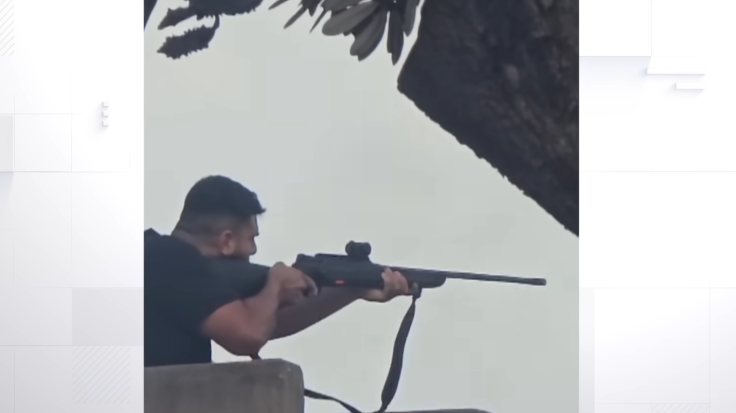
Australian Federal Police and NSW Police have characterised the attack as ideologically motivated and inspired by Islamic State-style extremism. Evidence recovered from the assailants' vehicle included two homemade ISIS flags and explosive devices.
The victims included community leaders, parents and children. The attack has provoked deep sorrow nationwide, prompting vigils, calls for unity and urgent debate about national security, gun control and antisemitism in Australia.
Prime Minister Anthony Albanese described the event as an 'act of pure evil' motivated by antisemitism that had struck at the heart of the nation's values.
Heroism, Mourning and Public Response
Amid the horror, stories of extraordinary bravery emerged. Ahmed al-Ahmed, a 43-year-old shop owner, tackled and disarmed one of the shooters, likely saving many lives, and has been widely celebrated across Australia.
A separate GoFundMe created in his honor has raised in excess of £1.1m ($2 million) to assist with his recovery; a stark contrast to the handbag fundraiser.
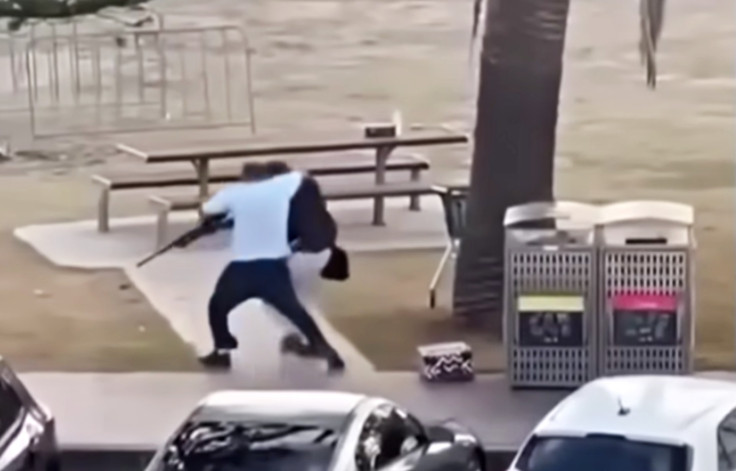
His actions and subsequent outpouring of support illustrate how collective grief can morph into communal solidarity. National leaders, including the Prime Minister and NSW Premier Chris Minns, have visited him in hospital to express gratitude and commend his 'humble courage'.
Across Sydney and beyond, thousands have attended vigils. Religious and community leaders are urging unity and condemnation of hatred, insisting that acts of violence must not drive divisions in Australian society.
The debate also raises questions about the role of crowdfunding platforms like GoFundMe in moments of collective catastrophe. While such platforms have become crucial for disaster relief and support in crises, they also expose societal fault lines when individual requests arise in the shadow of mass tragedy.
© Copyright IBTimes 2026. All rights reserved.
- MOST POPULAR IN Trending