

'I Will Not Be Intimidated': Blumenthal Orders Prosecutor Aaron Reitz to Save His Own Records in Ballroom Row
The Connecticut senator turns a Justice Department warning over Trump donor letters back on the Texas official
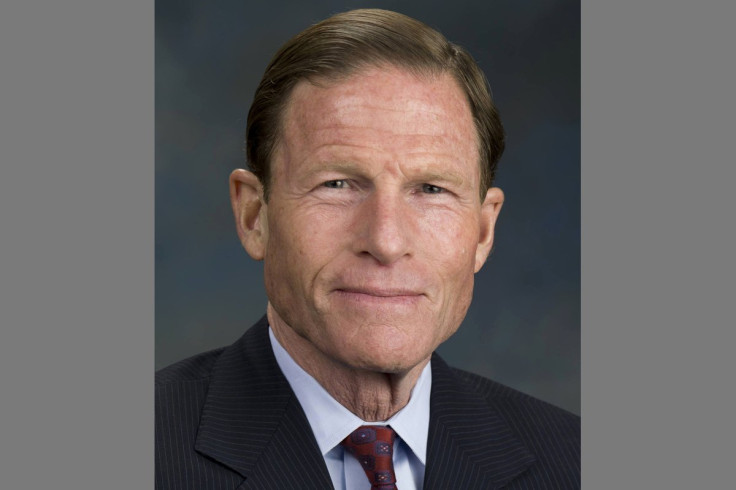
Richard Blumenthal says he 'will not be intimidated' by Aaron Reitz. Reitz, a Texas prosecutor, had told him to save files from his probe of ballroom donors. Blumenthal's reply on 11 November turned the demand around. He told Reitz to preserve all records and correspondence, including communications with the White House or senior Justice Department officials about the decision to draft and post the letter.
The clash comes amid a White House warning that threats to officials or unlawful subpoenas in congressional probes could amount to criminal conduct, reports say. It pits Reitz's claim of abuse against the senator's right to ask questions. His party takes Congress in January. Blumenthal will then lead the Senate's main probe panel, which can force people to hand over files.
What Reitz Demanded From Blumenthal
Reitz, the top US prosecutor in southern Texas, posted his letter on X and accused Blumenthal of threatening people for their links to President Trump. Citing federal criminal civil-rights statutes, he told the senator and his team to preserve records. He set a deadline of 6pm on 18 November and warned of 'significant legal consequences' for any failure. He added: 'Congress is not a weapon to be wielded against the American people.'
This investigation into me for conducting a congressional inquiry is just the latest in a series of unlawful actions on the part of the Trump Admin attempting to intimidate Members of Congress for engaging in constitutionally protected activity. 1/ pic.twitter.com/vrOvioHtC2
— Richard Blumenthal (@SenBlumenthal) November 12, 2026
In his reply, Blumenthal called the implied threat baseless and his inquiry part of his duty in office. The public, he argued, deserves to know whether lawsuits were dismissed, contracts were awarded or regulations went unenforced in exchange for their donations. His letter cited the Constitution's Speech or Debate Clause, which protects lawmakers' legislative acts. It also gave Reitz until 6pm on 12 November to confirm he had received the letter and taken steps to preserve the records.
Why the Ballroom Donors Are at the Centre
The row began with Trump's ballroom, built where the East Wing stood until 2025 and donor-funded, officials say. In October, Blumenthal asked over a dozen donors named by The Washington Post what they gave and got, which Reitz calls threatening Trump's backers.
A Justice Department official said it 'routinely requests that records be preserved when public officials take such extreme actions'. Acting Deputy Attorney General Trent McCotter agreed. On Truth Social, Trump called Blumenthal's donor letters 'extortion at the highest level'. Reitz's letter, shared thousands of times on X, was his most visible act yet, the Houston Chronicle said.
What Happens Next in the Dispute
Reitz replied on X, saying: 'Valid investigations must be conducted for a legitimate legislative purpose.' Blumenthal has until 18 November to confirm he has taken steps to preserve the records. Reitz's letter does not say the senator faces a criminal probe. In February, a grand jury declined to indict six Democratic lawmakers who had urged troops to disobey illegal orders, The Wall Street Journal reported.
From January, as chair, Blumenthal can subpoena donors and officials. Until then, he can ask donors but cannot force them to reply, while Reitz casts his move as a defence of Americans who gave money. The senator has vowed to keep pressing donors and Trump's team.
© Copyright IBTimes 2026. All rights reserved.