

Brown University Shooting: President Trump Called 'Embarrassing' For Lack of Empathy
Trump's two-word response draws criticism for lack of empathy
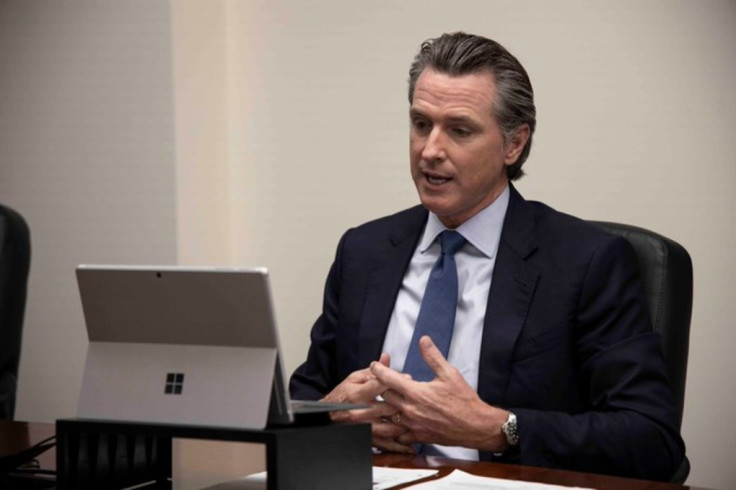
In a nation that has become terrifyingly accustomed to the ritual of campus tragedy, the sheer, sudden violence that erupted at Brown University last week still manages to stun. Yet, it was the US President's response, delivered from the solemn stage of the White House, that sparked immediate outrage and reopened one of America's most high-profile political feuds.
Donald Trump was speaking to reporters on Sunday about the terrible shooting at the Ivy League school in Providence, Rhode Island, an attack that left two young students dead and injured nine others. Rather than focusing solely on the victims, the president appeared to prioritise the institution's prestige, calling it a 'Great school, really one of the greatest schools anywhere in the world...,' before delivering the phrase that immediately trended for its perceived callousness, adding, 'Things can happen'.
The remarks were immediately seized upon by critics both online and in the political arena, who labelled the response 'inappropriate' and 'embarrassing.' Social media was flooded with posts claiming a profound lack of empathy, with one person summing up the fury: 'Things can happen.' — Our president... It's almost like he couldn't be bothered,' they wrote, while another offered savage sarcasm, stating, 'As always, a towering fountain of empathy'.
Among the politicians who reacted fastest was California Governor Gavin Newsom. The high-profile Democrat, already an outspoken challenger of the Trump presidency, quoted the footage of the remarks on X, delivering a blunt, two-word critique that seemed to articulate the nation's exhaustion: 'no words'.
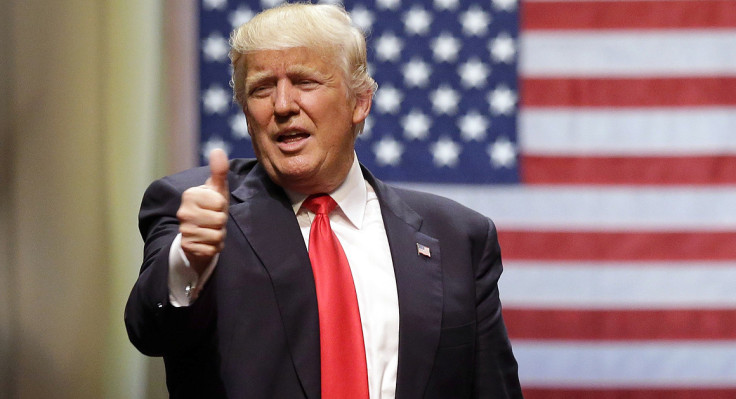
The 'Things Can Happen' Controversy: Gavin Newsom and Donald Trump Clash Over Empathy
For critics, the President's flippant, almost nihilistic framing — that an act of mass murder at an institution of higher learning is just a shrug-worthy inevitability — betrayed an inability to grasp the gravity of the situation. This perception of emotional detachment only amplified the pain surrounding the senseless loss of life.
The tragedy itself was deeply personal. The attack happened at around 4 p.m. on Dec. 13, when an unknown gunman opened fire while a study session was taking place. Among the victims was 19-year-old Emma Cook. Her death was announced during a service by Rev. Craig Smalley, who described the sophomore student as a 'bright light'. The image of this young woman, a 'bright light' preparing for exams, being murdered in a building she should have been safe in, is a potent reminder of the grim reality of gun violence in America.
The sheer difficulty of the subsequent police investigation only added to the community's trauma. Authorities initially confirmed they had arrested a person of interest in connection with the shooting at Brown; however, they then delivered a confusing update, stating the evidence 'now points in a different direction'. The release of the individual meant the shooter remained at large, prolonging the terror for the community.
Despite the furor over his language, the president did follow up his jarring comment with a brief statement of condolence, adding: 'To the nine injured, get well fast, and to the families of those two that are no longer with us, I pay my deepest regards and respects from the United States of America.' For many, however, the damage was already done; the empathy felt secondary, almost an afterthought, to the casual dismissal of the tragedy as something that 'can happen'.
A Deeply Polarised Nation: Gavin Newsom and Donald Trump Battle for America's Soul
The clash over the Brown University shooting is not an isolated incident; it is merely the latest, most emotional front in the broader political war between Gavin Newsom and Donald Trump. The Californian Governor has become one of the most visible voices directly challenging the president and his rhetoric, not just on policy but on the very tone of political discourse in America.
Newsom has been in the news this year for continually challenging Trump on several issues, most recently during an interview with The New York Times, where he spoke passionately about the exhausting, traumatising state of the current political environment.
'Whoever the next president [is]... we can't keep this up. We're polarised, we're traumatised, we're exhausted. I can't even conceive three more years of this,' Newsom said, directly addressing the impact of continuous political hostility on the American psyche. He took his criticism a step further, focusing on the cultural consequences of the president's conduct.
He expressed deep concern for the younger generation watching the nation's political leadership, asking: 'And what's happening to our kids? Their brains are already being scrambled by social media, but this is their role model? The guy who calls someone a r****d, a piggy?'
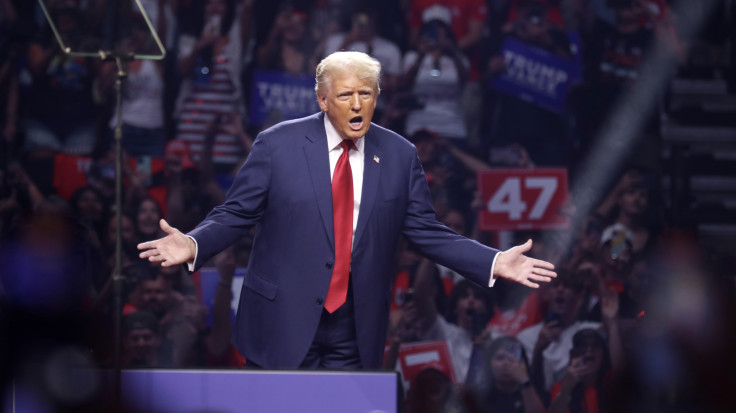
Newsom's attack attempts to elevate the debate beyond simple policy disagreements, positioning the contest as a referendum on character and leadership. The governor's swift, pointed reaction to the Brown University comments confirms that for him, the president's perceived lack of humanity is a central political vulnerability — a weakness that his Democrat challengers will continue to ruthlessly exploit as the American election cycle moves forward.
The choice, Newsom argues, is between trauma and stability, and the US public is now left to weigh whether a quick, cold dismissal of mass murder as something that 'just happens' is acceptable from the nation's highest office.
The political theatre surrounding the Brown University tragedy, reduced to a two-word soundbite, forces a difficult question upon the American public: should leadership offer genuine sorrow, or simply cold pragmatism? As the election cycle ramps up, the debate between Gavin Newsom and Donald Trump is quickly becoming a battle for the very soul of the nation — a choice between a deeply human, emotional response to trauma, and a detached acceptance of violence. The choice, ultimately, is for the voters to make.
© Copyright IBTimes 2026. All rights reserved.