

California Robotaxi Law 2028: Up to $10,000 Fines for Emergency Obstructions Over 30 Minutes Under SB 1246
California's new robotaxi law imposes fines up to $10,000 on operators whose autonomous vehicles block first responders for more than 30 minutes, with remote driver and local support requirements taking effect in 2028
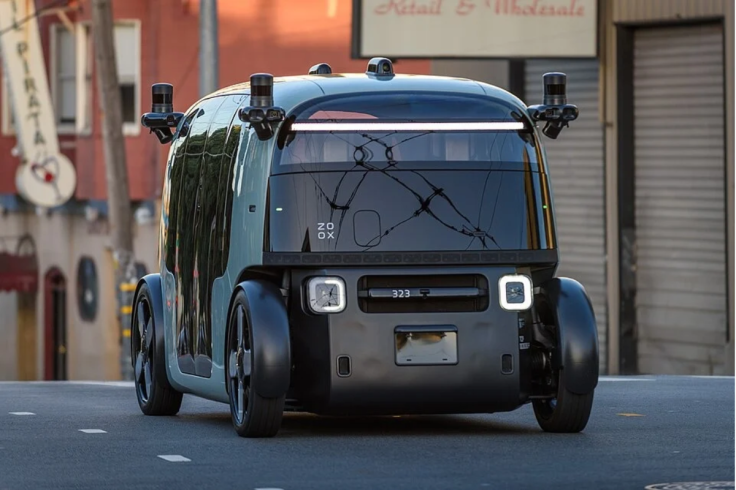
California cities will be able to hit robotaxi operators with penalties of up to $10,000 if their vehicles block emergency services for more than 30 minutes under a new state law. Senate Bill 1246, signed by Governor Gavin Newsom on 30 September 2026, will also force firms to provide local technical support from July 2028.
The law introduces new obligations for autonomous vehicle manufacturers, including companies such as Tesla, Waymo and Zoox. It requires greater communication during fleet-wide failures, tighter controls on remote driving and faster assistance when driverless vehicles crash, break down or obstruct roads.
California Robotaxi Law Targets Emergency Delays
The legislation follows a series of incidents involving robotaxis in California. Some vehicles reportedly disrupted traffic, entered crime scenes or impeded emergency operations. The main concern was not simply that the vehicles failed, but that first responders were sometimes left to deal with the consequences.
Waymo, described by TechCrunch as the largest robotaxi operator in the United States, has about 4,000 autonomous vehicles in its commercial fleet nationwide. Roughly 1,200 are in the San Francisco Bay Area, according to the publication.
A TechCrunch investigation earlier this year reported that first responders had relied on manually moving Waymo vehicles when the cars encountered problems. That arrangement placed police and emergency workers in a difficult position. Their job is to respond to emergencies, not provide roadside assistance for private technology fleets.
The issue became particularly visible during a December power outage in San Francisco, when approximately 1,500 Waymo vehicles reportedly stalled. According to Senator Dave Cortese's office, emergency responders attempting to contact the company were left on hold for as long as 53 minutes.
Multiple Waymo vehicles also blocked roads and ran out of power during San Francisco's July 2026 celebrations, the senator's office said. Those incidents added political pressure to a debate that had already moved beyond questions about convenience and innovation.
The National Highway Traffic Safety Administration called on autonomous vehicle developers in July to address a 'clear pattern of driverless AVs interfering with law enforcement and other first responders', according to Cortese's office.
California's response is now written into law. 'California has embraced autonomous vehicles, but we cannot embrace innovation at the expense of public safety,' Cortese said. 'When an autonomous vehicle crashes, breaks down, blocks a roadway in an emergency, or gets in the way of law enforcement or first responders, there must be clear accountability.'
What the California Robotaxi Law Requires
By 1 July 2028, remote drivers directly operating autonomous vehicles must be based in the United States and hold a US driving licence. The distinction matters because companies use the phrase 'remote operations' to describe several different forms of human involvement.
A remote driver who directly controls a vehicle is not necessarily the same as a remote assistant who guides the autonomous system or sends software commands. Waymo has said its system uses remote assistance, while Tesla has publicly stated that it employs remote operators who can take direct control of its robotaxis.
The law will also require manufacturers to notify affected cities, towns and other local jurisdictions about the location and status of vehicles during a system-wide failure. That information is intended to help emergency services understand whether a disruption is isolated or part of a wider fleet problem.
Operators must provide 'local incident technicians' who can attend crashes, obstructions and other incidents. The California Department of Motor Vehicles is expected to establish guidelines covering reasonable response times.
Those technicians will provide the human presence that emergency workers have been asking for. In practical terms, the rule means a company cannot rely entirely on distant command centres when a driverless vehicle is blocking a road or interfering with emergency activity.
Local Fines of up to $10,000
Local authorities will also gain a route to impose penalties when an autonomous vehicle blocks first-responder operations during an emergency for more than 30 minutes. The available material confirms penalties of up to $10,000 in some circumstances, but the precise application will depend on the law's implementation rules.
Waymo and Zoox have said they will comply. In an emailed statement, a Waymo spokesperson said, 'We are grateful for the amendments made to the bill, which ensure autonomous vehicle operators can still feasibly serve Californians.'
The company added, 'Waymo is committed to making roads safer in California and continually improving our service.'
That commitment will now be measured against response records, local enforcement and the clock. Thirty minutes may not sound long in ordinary traffic. During a fire, crash or police operation, it can be critical.
© Copyright IBTimes 2026. All rights reserved.