

Carlos Alcaraz Splits With Ferrero at Odd Time, Fans Ask Why
Contract talks, family influence and philosophy clash emerge as key factors
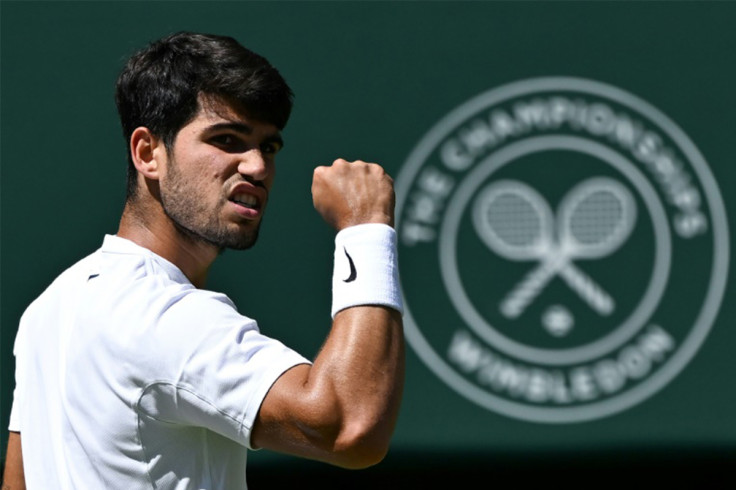
Carlos Alcaraz's decision to part ways with long-time coach Juan Carlos Ferrero has stunned the tennis world, largely due to the timing and the success they shared together. With six Grand Slam titles and a world number one ranking achieved under Ferrero's guidance, the separation has prompted immediate questions about what changed behind the scenes.
The announcement came on 16 December, just days before Christmas, with Ferrero making clear that the decision was not entirely mutual. 'I would have liked to continue,' he said in a closing line that suggested disappointment rather than closure.
Contract Talks and Family Tensions Surface
According to reporting by CLAY on the reasons behind Alcaraz and Ferrero's breakup, negotiations for a new coaching contract collapsed only days before the split became public. Spanish tennis journalist Javier de Diego of Radio Nacional de España said the relationship broke down after no agreement was reached on a renewed deal.
Sources close to the team also pointed to ongoing tension between Ferrero and Alcaraz's father over how the player's career should be managed. Those disagreements reportedly covered training locations, scheduling, and the growing involvement of Alcaraz's family in day-to-day decisions.
Ferrero, known for his reserved and structured approach, had previously clashed with the idea of adapting his methods to accommodate a wider inner circle.
Philosophy Gap Grew Wider Over Time
Differences in outlook appear to have widened in recent years. Alcaraz has been open about prioritising enjoyment alongside competition, a mindset highlighted in his Netflix documentary 'My Way.' Ferrero, by contrast, has consistently stressed discipline, focus, and professionalism off the court.
Former Brazilian player Fernando Meligeni suggested those differences went beyond lifestyle. He argued that 'My Way' reflected deeper disagreements over commitment, boundaries, and how much influence family members should have within the team structure.
Ferrero himself acknowledged the challenge in a past interview, saying young players often struggle to maintain perspective when success comes quickly and consistently.
Training Base and Control Became a Flashpoint
Another reported source of friction involved training arrangements. Ferrero runs his academy in Villena, roughly an hour from El Palmar, where the Carlos Alcaraz Tennis Academy is operated by the player's father. In recent months, Alcaraz had become increasingly reluctant to travel regularly to Villena, instead favouring his family-run base.
As a result, Samuel López gradually took on a more prominent coaching role. López accompanied Alcaraz to more tournaments and was credited with technical improvements, including changes to the serve that have delivered clear results.
Roddick and Wertheim Question the Timing
The suddenness of the split has been a major talking point among former players. On a special episode uploaded by Andy Roddick's Served Media, Andy Roddick and Jon Wertheim described the decision as shocking, given the proximity to the 2026 season.
They questioned why such a successful partnership would end without a clear, publicly outlined transition plan. The discussion also focused on how replacing a coach of Ferrero's stature could affect preparation, trust, and long-term development.
Claims Alcaraz Did Not Push for the Exit
Further complicating the picture, Alcaraz's first coach, Kiko Navarro, claimed the player himself did not want Ferrero removed. In a post shared by tennis analyst Olly Tennis on X, Navarro suggested the decision was driven by other members of Alcaraz's inner circle rather than the player directly.
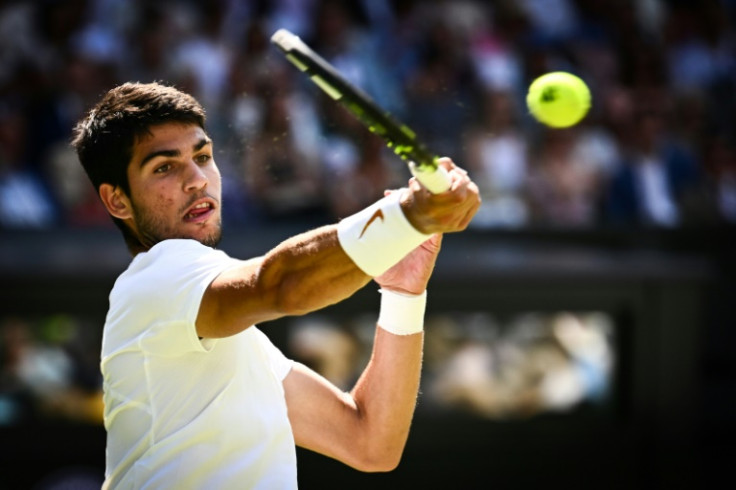
That claim has fuelled debate over how much control Alcaraz currently exercises over his own team and how much influence family members now hold.
What the Split Signals for Alcaraz's Future
At its core, the separation appears to come down to a fundamental question. Should a world number one adapt fully to his coach, or should the coach reshape his role around the player's evolving priorities?
In this case, the answer arrived quietly but decisively just before Christmas. Ferrero leaves behind a legacy of extraordinary success. Alcaraz now moves forward with a team structure that reflects his personal vision.
For fans, the results will ultimately matter more than the reasons. Still, the unusual timing ensures this coaching split will remain one of the most scrutinised decisions of Alcaraz's career.
© Copyright IBTimes 2026. All rights reserved.