

Donald Trump Is 'Clinically Insane' or Wants Republicans to Lose, James Carville Speculates
The Democratic strategist made the comments on a podcast, while Al Hunt raised concerns about Trump's inflation claims, campaign choices and possible election disputes
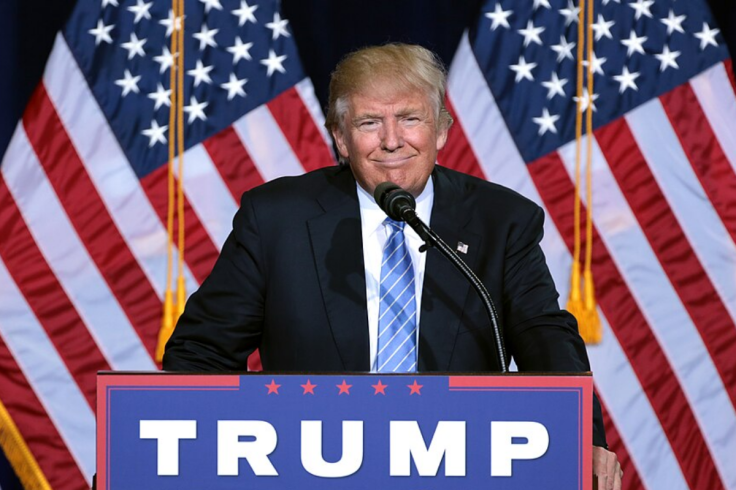
James Carville has questioned whether President Donald Trump wants Republicans to lose the November midterm elections or is, in Carville's words, 'clinically insane'.
The veteran Democratic strategist made the remarks on the Politics War Room podcast with co-host Al Hunt, ahead of the 3 November elections.
Carville questioned whether Trump's recent public statements and campaign appearances were helping his party.
'Is Trump trying to lose? I mean, there's nothing that he does that's consistent with trying to win,' he said.
AI Hunt Takes on Trump About Description of Inflation
Hunt also criticised the president's recent conduct, describing him as 'out of control'. He pointed to Trump's comments about Iran, his statements about inflation and his attacks on Democrats as examples of behaviour he believed could create difficulties for Republicans.
One of Hunt's main concerns was Trump's description of inflation. The co-host argued that the president's comments did not reflect the financial pressures American households face, particularly those dealing with higher everyday costs.
AlterNet reported the remarks and covered the discussion between Carville and Hunt. The figures and political arguments require separate consideration, especially where the hosts' opinions differ from independently verifiable facts.
The US Bureau of Labor Statistics reported that consumer prices increased 3.4% over the 12 months ending August 2026. The figure reflects the annual change in the consumer price index, not the total increase in prices since Trump took office. The September inflation report was scheduled to be published on 14 October 2026.
Trump's Campaign Strategy Raises Questions for Republicans
Hunt also questioned Trump's decision to campaign in Grand Island, Nebraska, rather than Omaha. The president held a rally in Grand Island on 5 October as part of his campaign activity ahead of the midterm elections.
The location became part of the hosts' wider discussion about whether Trump's campaign decisions were helping Republican candidates. However, the venue alone does not show that the president deliberately undermined his party or that a rally elsewhere would have produced a different result.
Nebraska is traditionally Republican-leaning, but the state has also featured competitive electoral contests. Reuters reported that Republican Senator Pete Ricketts faced a challenge from independent Dan Osborn, making the state's political landscape relevant to the wider midterm campaign.
Carville questioned whether Trump's conduct was intentional. 'He is the central issue in the campaign. He dominates everything,' he said, before asking whether the president wanted to damage congressional Republicans or simply disliked them.
Carville then offered his starkest interpretation of Trump's behaviour. 'It might be that he's just out of his goddamn mind. Who knows?' he said, before suggesting that the president was either 'clinically insane' or wanted Republicans to lose.
Hunt appeared unable to offer an alternative explanation during that exchange. 'I'm hard-pressed to give you one,' he said.
The comments were political opinions expressed during a podcast discussion. They do not establish Trump's private intentions, demonstrate that he is deliberately working against Republican candidates or provide evidence of a medical condition.
What Carville's Remarks Do and Do Not Establish
The distinction matters because the phrase 'clinically insane' can be mistaken for a medical conclusion when presented without sufficient context. Carville is a political strategist, and his remarks criticised the president's conduct rather than offering a clinical assessment.
The discussion offered no clinical evaluation to support the phrase. It would therefore be inaccurate to treat Carville's words as proof that Trump has a mental-health condition.
Hunt raised a separate concern about the election itself. He worried that Trump might try to intimidate voters or interfere with the process if the result went against him. That concern should be attributed to Hunt rather than presented as evidence that the president has such a plan.
The distinction between political criticism and a substantiated allegation matters in election coverage. Claims about possible interference require evidence and should not be presented as established events before they occur or are independently verified.
Carville's argument ultimately centred on whether Trump's conduct was helping Republicans at a crucial point in the campaign. Hunt's concerns extended beyond electoral strategy to the possibility of disputes over the outcome.
Neither argument establishes that Trump wants his party to lose. Instead, the podcast illustrates disagreement and concern among Democratic commentators about the president's public conduct and its potential political consequences.
With the midterm elections scheduled for 3 November, Trump's campaign strategy remains a subject of political debate. Electoral outcomes, not Carville's speculation alone, will determine whether his appearances and statements help Republican candidates.
© Copyright IBTimes 2026. All rights reserved.