

Iran Suspected of Hacking 50 Oil and Gas Ships as US Investigates Wave of Maritime Cyberattacks
US authorities deployed cyber teams amid concerns that hackers are exploiting vulnerabilities in maritime Fortinet systems

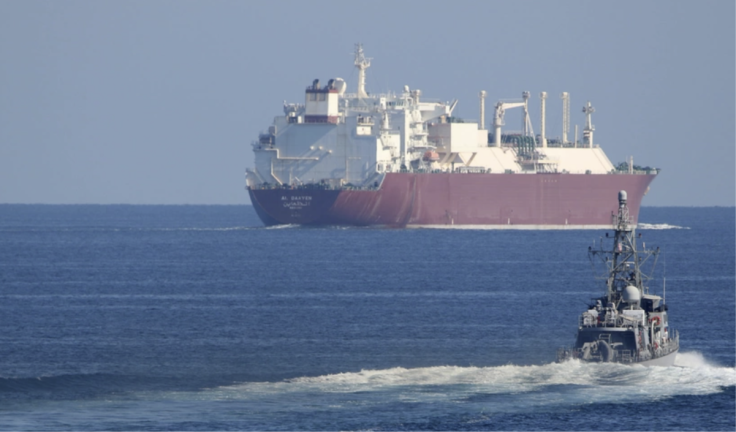
Iran is emerging as a prime suspect in a suspected campaign of cyberattacks targeting as many as 50 commercial ships carrying oil, liquefied petroleum gas, and hazardous chemicals, prompting US authorities to investigate whether Tehran is extending its confrontation with Washington into the world's maritime trade networks.
The suspected attacks have raised concerns about the security of global shipping routes, particularly after several vessels reportedly received bomb threats, ransom demands, and threatening messages warning that their crews or ships could be targeted. Russia is also being investigated as a possible source of the attacks, according to The Wall Street Journal.
However, Washington has not established Iranian involvement. A Trump administration official told a media outlet that investigators had found no evidence linking Tehran to the incidents, describing four of the attacks as minor disruptions with no significant consequences.
The US Coast Guard has nevertheless deployed specialised cyber protection teams to at least four vessels approaching American shores in recent weeks. The teams have worked to address potential security threats before the ships continued towards US ports.
Among the vessels investigated were the VL Prosperity and Kohaku, both heading to Texas when they were reportedly targeted. The ships received bomb threats, while a ransom-style message published on a Russian-language Telegram channel accused the VL Prosperity of illegally transporting Saudi oil to the US and supporting American and Israeli interests.
The ship's manager confirmed that US authorities conducted a cybersecurity inspection aboard the VL Prosperity and subsequently cleared it for normal operations.
Another vessel, the Vivit Africa, was reportedly targeted while carrying LNG from the US to Italy. Ship-tracking data showed irregular movements as it approached the Italian coast. Other affected vessels have been operating near Europe and Asia, suggesting the suspected campaign extends beyond the immediate Middle Eastern conflict.
Hackers Exploiting Vulnerabilities in Maritime Systems
US officials and other investigators believe the attackers are exploiting vulnerabilities in Fortinet routers, widely used across the maritime industry and shipping infrastructure.
The US Coast Guard Cyber Command and FBI issued an alert in September after identifying a trend of suspected nation-state actors exploiting weaknesses in Fortinet FortiGate devices used by shipping companies and maritime facilities. The vulnerabilities are particularly concerning because modern vessels depend on interconnected computer systems to manage navigation, communications, and other essential operations.
Cybersecurity specialists warn that compromised systems could leave ships vulnerable to disruption, but experts have cautioned against assuming attackers could easily seize control of a vessel and deliberately cause a catastrophic collision or explosion.
Ships retain manual controls and other safeguards. However, a cyber incident could still force a vessel to suspend its journey while engineers investigate and restore compromised systems. The resulting delays could cost shipping companies millions of dollars and disrupt supply chains transporting energy products and other essential goods.
The suspected cyber campaign comes as Iran continues its confrontation with the US, including attacks against shipping in the Strait of Hormuz. The investigation also highlights growing concerns that the conflict could extend into digital infrastructure far beyond the Middle East.
© Copyright IBTimes 2026. All rights reserved.