

Democrats Plan Strict New Laws for the Tech Sector To Stop Unregulated AI and High Energy Bills
Proposed legislation could require independent testing of advanced AI models, establish corporate liability for harm and shield consumers from rising power costs
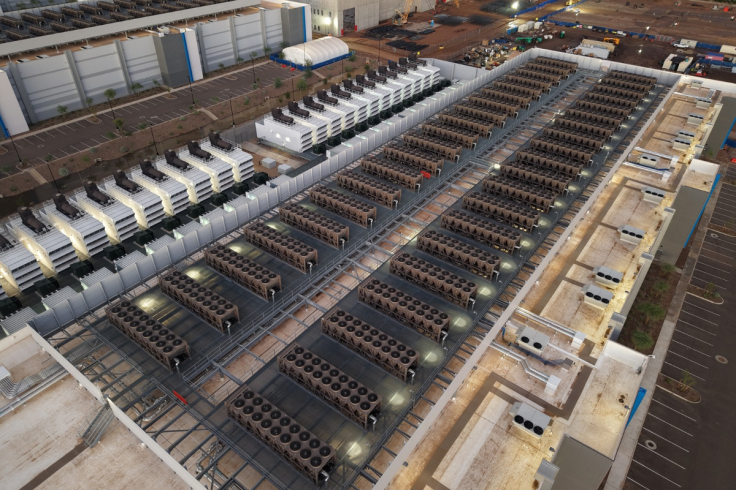
Democrats are preparing sweeping legislation to clamp down on what they describe as 'unregulated AI' and to shield households from rising electricity bills blamed on a rapid expansion of data centres, with plans to move in early January when they take control of the US Congress and turn their attention to the technology sector's biggest players.
Lawmakers, aides and advocacy groups say the package would require independent safety testing of advanced AI models, protect consumers from energy price rises linked to new data centres, and clarify when technology firms can be held legally responsible for harm caused by their tools.
The measures would cut into the business models of companies building ever larger and more power-hungry AI systems. Democrats won both the House and the Senate in the 5 November midterm elections, ending two years of Republican control.
Energy Bills and Mandatory AI Safety Checks
Chuck Schumer of New York, expected to become Senate majority leader, told an event in Washington that protecting consumers from higher energy costs linked to the rapid growth of data centres would be a top priority next year.
Representative Lori Trahan of Massachusetts, seen within the party as a key voice on AI, plans to bring forward legislation requiring independent experts to test leading AI models against formal safety standards, said her deputy chief of staff, Francis Grubar. She will also pursue laws making clear that companies can be held responsible when AI systems cause harm.
Representative Zoe Lofgren of California, who hopes to chair the House Science Committee, said Democrats would work on 'responsible regulations for AI while also fostering innovation'.
Republicans, who led Congress for the past two years, favoured voluntary frameworks and industry partnerships. They stopped short of binding limits on AI deployment or energy use, even as voters in several states objected to fast-growing data-centre clusters and their demand on local power grids.
White House Resistance and Market Jitters Over AI Crackdown
Any bill would have to clear the White House. President Donald Trump has repeatedly rejected mandatory AI rules, arguing that regulation would hold back American competitiveness. On Friday he said he would work with states that 'want to become RICH' by embracing AI, without saying what safeguards, if any, he would support.
Ed Mills, who runs policy research at Raymond James, said the 'probability of legislation is much higher than people anticipate'. He noted that Congress can override a presidential veto if two-thirds of both chambers agree, and suggested Democrats could attach AI provisions to must-pass budget or defence bills.
Technology shares fell sharply on Thursday as investors weighed the prospect of a Democratic Congress slowing AI development and questioned whether infrastructure spending, often more than $1bn (€930m and £810m) for a large data-centre campus, would pay off.
A Reuters poll published in October found most US voters believe the Trump administration and Congress are not taking AI risks seriously enough and want new rules. Some analysts argue a major AI-linked accident or scandal could turn that concern into a wider regulatory backlash.
Democrats are already using their incoming committee power to press the industry. In October, Lofgren and other House committee leaders asked OpenAI, Anthropic, Meta, Google and SpaceX to set out their AI security practices and disclose any cases in which their systems took actions their designers did not intend.
© Copyright IBTimes 2026. All rights reserved.