

'Cruelty Is the Point': Twenty States Sue Trump Administration Over New Immigration Public Charge Rule
Twenty states and Washington DC are suing over a new public charge rule that expands officers' power to deny green cards and visas
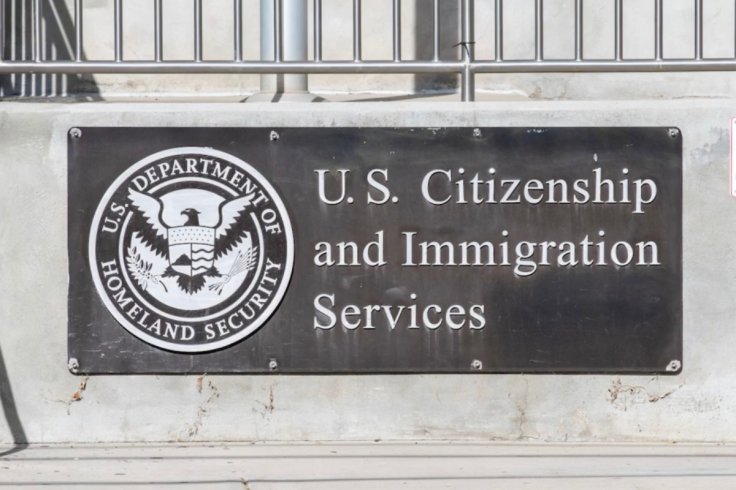
More than 20 states are suing the Trump administration over a new Department of Homeland Security rule that expands how immigration officers decide whether a visa or green card applicant might become a 'public charge'.
New York Attorney General Letitia James is leading the coalition, which includes Washington DC and was filed this week ahead of the rule's scheduled start on Friday. A separate lawsuit from a coalition of cities, led by New York City Mayor Zohran Mamdani, is challenging the same regulation. Both cases argue the policy hands immigration officers sweeping, undefined power over who gets to stay.
To recall, the public charge concept isn't new. It dates back to the Immigration Act of 1882, when lawmakers wanted assurance that arriving immigrants wouldn't become dependent on the state. During Trump's first term, DHS widened the list of benefits officials could weigh, including Medicaid, food stamps and housing vouchers.
The Biden administration reversed that in 2022, narrowing the test back to cash assistance programmes like TANF and SSI. This new rule scraps that narrower definition altogether and, crucially, doesn't replace it with anything specific.
Why the Trump Rule Worries Immigration Lawyers
That vagueness is the crux of the states' complaint. Rather than naming which benefits count, the regulation simply says officers 'will consider the receipt of any means-tested public benefits'.
David Bier, director of immigration studies at the Cato Institute, called it 'essentially the Wild West'. Nobody, he said, quite knows what the law actually requires anymore.
'This rule removes that definition and doesn't replace it with anything,' Bier told Fox News Digital. 'So now people, and applicants, lawyers who are applying to the government on behalf of applicants, they don't know really what the law is.'
He added that the rule doesn't stop anyone from using benefits, it simply lets officers guess at future dependency, a probabilistic call he thinks will inevitably catch out self-sufficient applicants too.
James was blunter still. At a press conference on Monday, she said the quiet part out loud, framing the rule as deliberate intimidation rather than sound policy. 'Cruelty is the point,' she said. 'Having a chilling effect on immigrants is the point. Letting individuals know that they are not welcome here is the point.'
She warned families would forgo Medicaid, SNAP and school meal programmes out of fear, even when legally entitled to them, a pattern her office says it has already fought and beaten once before under the first Trump administration.
What the Trump Administration's Rule Actually Changes
The states' lawsuit contends Congress never authorised such a broad reading of 'public charge' and that DHS acted arbitrarily in ignoring the fallout. States also argue they stand to lose billions in federal funding if immigrant families quietly drop out of assistance programmes altogether.
DHS did not respond to Fox News Digital's request for comment before publication, so the agency's own reasoning for the change remains, for now, unaddressed publicly.
Bier said the group most exposed isn't asylum seekers or undocumented arrivals but spouses and children of American citizens seeking green cards through family sponsorship. 'That's the overwhelming majority of the people who are going to be affected by the rule,' he said, predicting it could split married couples and separate children from an American parent.
Whether that prediction holds will depend heavily on how individual officers apply a standard that, by design, isn't spelled out anywhere.
It's worth noting the timing here. This lawsuit lands as the administration has already paused immigrant visa interviews worldwide while consular staff retrain on the new guidance, and weeks after separate legal fights broke out over time limits for foreign students and journalists.
Trump campaigned largely on illegal immigration in 2024, but Bier argues the pattern now extends well past the border. 'It's very clear that this administration wants to restrict both illegal immigration and legal immigration,' he said.
Courts haven't ruled yet, and Bier himself concedes the outcome is genuinely hard to call, given how unusual the regulation is in leaving so much undefined. What's certain is that Friday's deadline is fast approaching, and thousands of pending applications now sit in legal limbo until a judge decides whether officers get to keep that discretion at all.
© Copyright IBTimes 2026. All rights reserved.
- Recommended For You


