

SpaceX's Mystery AI Gadget: Real Innovation or Hype Machine? Musk Says It's Fake News
Musk dismisses reports of a SpaceX AI device prototype as 'utterly false.'
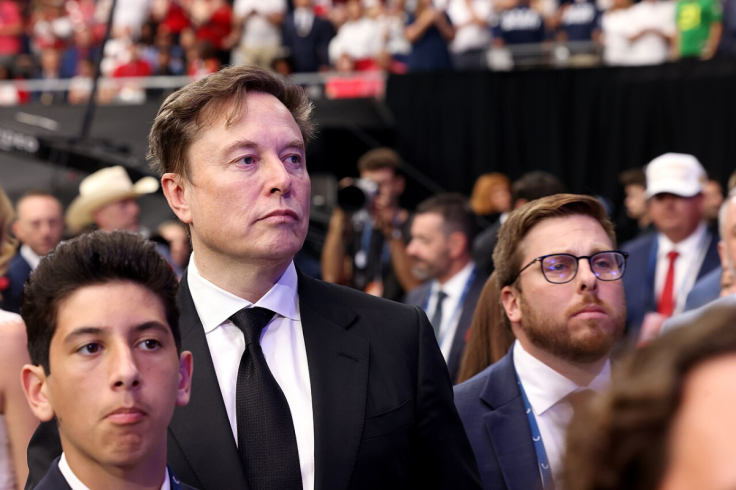
Elon Musk has flatly denied that SpaceX is building a handheld artificial intelligence device.
He dismissed the reports in two words on X: 'utterly false.'
Utterly false
— Elon Musk (@elonmusk) July 1, 2026
The denial came after claims that investors had been shown a prototype.
The device was described as a sleek unit, smaller than an iPhone, running on SpaceX's own operating system and built around Qualcomm Snapdragon chips.
Woven through it, according to the reports, was xAI's technology including the Grok assistant. That raised the tantalising possibility that Musk's rocket company was quietly branching into consumer hardware.
Such detail is unusual for a rumour: a named chipset, a proprietary operating system, a named AI assistant. So far, it is also all there is.
Musk's two-word dismissal sits directly against that specificity. It is that gap, a precisely described device against an instant, flat denial which has left the story hanging between real innovation and hype machine.
The Prototype That Made Noise
The story began after investors were said to have been shown the device during a demonstration, built around SpaceX's proprietary operating system and xAI technology, integrating services including Grok.
It was shown only as a prototype. No release timeline was given, and there was no indication it was close to a commercial launch.
There is no suggestion SpaceX has committed to producing, developing or releasing the device. Its future status remains unconfirmed beyond the initial reporting.
Despite that, the combination of SpaceX's engineering capabilities, its existing aerospace computing systems and xAI's expanding AI ecosystem was enough to generate strong interest.
It landed inside a live debate already running in tech: growing attention on AI hardware generally, and increasing competition among devices trying to move beyond the smartphone.
A concept blending SpaceX's engineering with xAI's software fit that debate squarely, a pairing of two capable, credible companies that made the 'real innovation' reading plausible on its face, even before any proof existed.
Two Devices That Tried Before
Against that, the claims were read through a recent history of AI-first handheld products that failed to find their footing, the reason the same story also earned a 'hype machine' reading.
The Humane AI Pin launched at around $700, with a $24 monthly subscription, and was later discontinued after poor adoption. Despite significant early attention, it struggled to maintain consumer interest and was eventually withdrawn from the market.
The Rabbit R1 was marketed as an AI assistant device designed to complete tasks across apps on behalf of users. It, too, failed to gain mainstream traction after release, despite strong initial interest from tech commentators and consumers.
Both products are now widely referenced within the industry as proof of how hard it is to establish new AI hardware categories, particularly when trying to move beyond the smartphone. That history is precisely why a detailed, plausible-sounding device description was still met with scepticism rather than automatic belief. Precedent suggested the odds favoured hype over substance, even before Musk said anything.
The State of the Evidence
Weighed against that precedent, the story remains unverified.
The same specifics that made it land — the chipset, the operating system, the Grok integration remain the only details in circulation. Nothing further has been offered: no announcement, no roadmap, no investor documentation, and no comment from Musk or SpaceX beyond the original denial.
What began as a precisely detailed prototype description has ended as a precisely brief denial. On the evidence available now, that imbalance tips the story firmly toward hype rather than innovation.
Until SpaceX says otherwise, Musk's two words on X are the only official word on record.
© Copyright IBTimes 2026. All rights reserved.