

Estonia Blames Moscow for Foiled Arson Plot as Russia Border Closure Raises Fears of a Wider Security Crisis
The government says the move is intended to reduce security risks and limit sanctions circumvention, but no reopening date has been announced
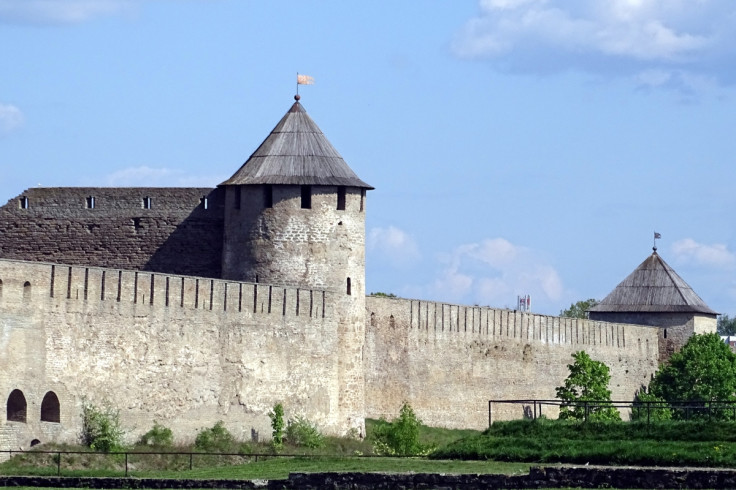
Estonia plans to close its three road border crossings with Russia on 1 December after authorities accused Moscow of ordering an attempted arson attack on a drone manufacturer. Eight people were detained following the incident at Threod Systems in Viimsi, near Tallinn, on Saturday, 14 November, Estonian officials said.
The Estonia-Russia border closure was announced on Sunday, a day after the reported attempt to damage the defence company.
Estonia's Internal Security Service attributes the operation to Russia's military intelligence agency, the GRU. That allegation has not been independently established.
Authorities said the incident was thwarted without injuries. The decision places a new restriction on movement between Estonia and Russia, with the government yet to announce a reopening date.
Estonia-Russia Border Closure Follows Drone Maker Attack
Prime Minister Kristen Michal said the planned restrictions were intended to protect people and reduce the risks of further hostile operations.
He accused Russian intelligence services of using border crossings to exert influence.
'Closing the border would reduce the threat to people in Estonia,' Michal said, according to his statement on Sunday.
Foreign Minister Margus Tsahkna described the suspected attack as evidence that threats to European security extended beyond the war in Ukraine.
The accusation forms part of Estonia's broader warnings about what its officials describe as Russian hybrid operations.
In a statement on Sunday, Estonia's Foreign Ministry identified the targeted company as Threod Systems and said the planned closure would also help limit sanctions circumvention.
Tsahkna said he had contacted counterparts in Latvia, Lithuania and Finland about the decision.
The government has not specified whether the closure will be temporary or indefinite. Estonia's three road crossings with Russia are Narva, Koidula and Luhamaa, which have accommodated pedestrian and freight movement.
Tsahkna said he intended to discuss further pressure on Russia with European Union foreign ministers meeting in Brussels on Monday.
Discussions about additional measures do not mean that any new sanctions have already been agreed.
Estonia-Russia Border Closure Draws Ukrainian Support
Ukrainian Foreign Minister Andrii Sybiha welcomed the announcement in a post on X. He said Estonia's response showed that suspected sabotage could have consequences beyond diplomatic criticism and urged wider European support.
Ukraine stands in full solidarity with Estonia following the attempted arson attack against Estonian defence company Threod Systems.
— Andrii Sybiha 🇺🇦 (@andrii_sybiha) November 15, 2026
I fully share your assessment, dear @Tsahkna, and strongly condemn this act of sabotage.
By targeting a European defence company, Russia is… https://t.co/JzMgoAQ6QD
The diplomatic reaction follows a series of security incidents in Europe that officials have attributed, to varying degrees, to Russia.
CNN cited drone incidents involving Poland and Lithuania, as well as disruptions affecting transport in other European countries.
Those episodes have contributed to concern among NATO members about activity intended to test their security without provoking a direct confrontation.
Responsibility for each incident, however, should be assessed separately rather than treated as conclusively proved.
Russia has repeatedly denied allegations of sabotage in Europe. Moscow had not immediately commented on the latest Estonian accusation when the original report was published.
For travellers and freight operators using Estonia's eastern crossings, the immediate question is practical.
The government has set 1 December as the planned closure date but has not said when traffic might resume.
© Copyright IBTimes 2026. All rights reserved.