

Putin Phone Call Sparks Nordic Fury as Finland and Norway Defy Europe's Unwritten Rule
A surprise 90-minute call with Putin ignites a Nordic showdown as Denmark challenges Finland and Norway's diplomatic gamble over Ukraine's future
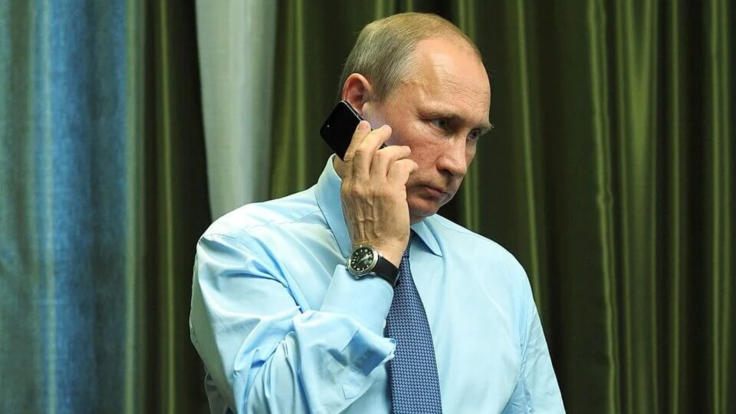
A 90-minute telephone call between Vladimir Putin and the leaders of Finland and Norway prompted questions among Nordic allies, after the two countries spoke directly to the Russian president while Denmark publicly warned Europe against acting alone.
The joint conversation, held in Helsinki on Tuesday, 27 October, was intended to support efforts to end Russia's war in Ukraine. It led to disagreement over whether such direct engagement with the Kremlin could help bring peace or risk weakening Europe's collective voice.
Danish Prime Minister Mette Frederiksen criticised the move. 'I think Europe should stick together rather than going solo,' she told Danish broadcaster DR, questioning the decision to proceed without what she regarded as proper coordination with other European countries.
🇷🇺🇪🇺 European leaders fight over Putin.
— BRICS+TODAY (@Afrijustice4all) October 27, 2026
After the Finnish president and the Norwegian prime minister called Putin to start talks, the Danish prime minister accused them of not coordinating their call.
-> This looks like desperation, because we all know they want to fight until… pic.twitter.com/KGG0yHpD8n
The exchanges highlighted a wider debate over whether individual European leaders should open their own diplomatic channels with Moscow, or whether separate initiatives could make it easier for Russia to take advantage of divisions among its opponents.
Nordic Allies Clash Over Putin Call
Frederiksen said she was sceptical about the initiative and argued that she had seen no convincing signs that Russia genuinely wanted peace with Europe.
Swedish Prime Minister Ulf Kristersson also questioned the call, saying talks that risk splitting Europe's voice were dangerous. He said he did not yet know what had been discussed.
A dispute also emerged over advance notice. Kristersson said he had not been informed beforehand, while Norwegian Prime Minister Jonas Gahr Støre said allied countries had received advance notice.
Finnish President Alexander Stubb also said Nordic countries had been informed. The differing accounts pointed to a disagreement over communication and coordination.
Why Finland and Norway Called Putin
Stubb and Støre said their conversation with Putin was intended to deliver a direct message about future negotiations and the need to end the war. In an official statement, they said the call followed a meeting in Oslo on 20 October and had been held in consultation with Ukraine.
'The discussion was frank and substantive,' Stubb said, adding that Russia's neighbours had a direct stake in how the war ends. Støre referred to the human and material cost of the conflict and said the leaders had stressed the importance of de-escalation.
The call lasted around 90 minutes, longer than the roughly 20 minutes initially expected, according to the Financial Times.
It followed discussions involving Ukrainian President Volodymyr Zelenskyy and US envoy Steve Witkoff in Oslo, as diplomatic contacts continued ahead of expected talks involving Russia, Ukraine and the United States in Abu Dhabi in November.
No confirmed date or outcome for the Abu Dhabi talks had been reported at the time of writing.
Zelenskyy Wants Action, Not Just Words
Ukraine welcomed the initiative. Zelenskyy thanked Stubb and Støre, saying they had made clear to Putin that real action was needed to reduce attacks on Ukraine's energy system and infrastructure.
According to Yle, the conversation also addressed limiting military operations affecting energy infrastructure and food security.
The Kremlin said Russia's interests must be taken into account in any settlement. Foreign Minister Sergei Lavrov said the call offered nothing new on the conflict.
Europe's Ukraine Strategy Faces a Crucial Test
The call broke with the practice followed by many Western European leaders since Russia's full-scale invasion in February 2022 of largely avoiding direct contact with the Kremlin. It also took place amid concerns in several European capitals about US-led peace efforts and how far they reflect European security interests.
Støre defended the decision on Wednesday, saying Putin needed to hear European views directly, rather than receiving messages only through Washington. He said the conversation was an effort to influence the diplomatic process, not a claim to speak for the whole continent.
European officials and analysts are divided over such contacts. Some argue they can provide channels for de-escalation, while others say they risk allowing Moscow to restate its demands without concessions and could complicate coordination inside the European Union and NATO.
Ukrainian officials have said they will judge diplomatic initiatives by whether they result in concrete steps on security, de-escalation and any future peace settlement acceptable to Kyiv.
© Copyright IBTimes 2026. All rights reserved.