Trump Administration's Offshore Wind Buyback Nears $4 Billion After RWE Exit Deal
RWE exits US offshore wind projects amid Trump's controversial buyback scheme, redirecting focus to fossil fuels
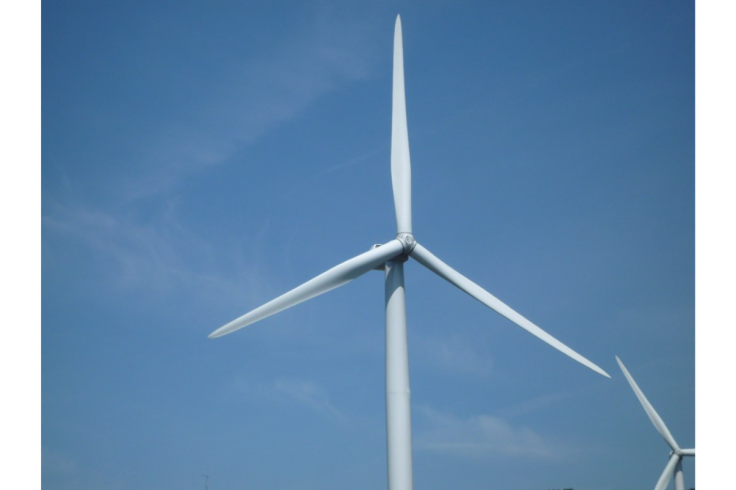
German energy giant RWE has agreed a £960 million ($1.22 billion) settlement with the Trump administration to surrender its offshore wind leases across New York, California, and Louisiana.
The major exit, announced on Thursday, brings Washington's total spending on its controversial offshore wind buyback scheme to nearly £3.15 billion ($4 billion).
The news came after the White House shifted tactics to dismantle renewable energy infrastructure, pivoting to direct buyouts when federal courts blocked President Donald Trump's executive orders aimed at halting the sector.
RWE, which confirmed it now holds no remaining US offshore wind leases, walked away citing insurmountable permitting barriers.
Offshore Wind Buyback Accelerates Fossil Fuel Pivot
The Trump administration's offshore wind buyback programme is designed to deliberately curb wind development in favour of fossil fuels. The President has long expressed hostility towards wind power.
Under the RWE agreement, the firm is abandoning projects that could have generated seven gigawatts of clean electricity (enough to power more than five million homes).
Instead, the German-headquartered company will redirect its capital. RWE is actively developing 15 natural gas projects across the United States, including a £710 million ($900 million) investment in a Louisiana liquefied natural gas project and £235 million ($300 million) in gas turbines.
Mounting Resistance Against the Offshore Wind Buyback Initiative
The aggressive buyout strategy has provoked intense backlash from states relying on the cancelled projects for their climate goals. States losing essential energy infrastructure are already taking legal action, and California intends to sue over the loss of its floating wind farms.
In Washington, Senator Sheldon Whitehouse heavily criticised the lease buybacks. He accused the administration of effectively bribing energy firms to abandon renewables, warning that replacing them with expensive fossil fuel plants will inevitably raise consumer energy bills.
'They are creating this enormous money pump, pulling billions of dollars out of consumers' pockets,' Whitehouse said. He branded the strategy a corrupt mechanism designed to reward political donors in the oil and gas industry at the expense of regular families, calling it a 'real scam'.
Previous Offshore Wind Buyback Payouts Prompt Legal Battles
The RWE settlement is merely the latest in a rapid succession of federal buyouts. In March, French energy major TotalEnergies secured nearly £785 million ($1 billion) for relinquishing two offshore wind leases, provided the funds were reinvested into fossil fuels.
In April, Golden State Wind and Bluepoint Wind surrendered their leases for nearly £710 million ($900 million) under similar conditions. By June, Chicago-based Invenergy had accepted a £600 million ($765 million) reimbursement for four early-stage leases.
Why would these companies accept this? Faced with a hostile regulatory environment where permits are continually stalled, cash settlements offer an immediate exit strategy for stranded assets.
Wider Implications Beyond the Offshore Wind Buyback Deals
While Interior Secretary Doug Burgum praised the RWE agreement on Thursday, claiming Americans deserve an energy system built on 'common sense' rather than subsidies, the administration faces separate challenges regarding onshore renewables.
A coalition of renewable energy groups successfully sued Pentagon officials for failing to complete national security reviews for onshore wind farms on private lands.
On Thursday, an Oregon federal judge ruled in favour of the plaintiffs, ordering the Department of Defense to resume its stalled review process immediately and submit progress reports. This proves the administrative battle over America's energy grid is fought on multiple fronts.
© Copyright IBTimes 2026. All rights reserved.
- Recommended For You