

Harmeet Dhillon's DOJ Exit Was Delayed by White House Until After Midterms, Sparking Post-Vote Shakeup
More than 75% of her division's lawyers were gone before she walked out the door
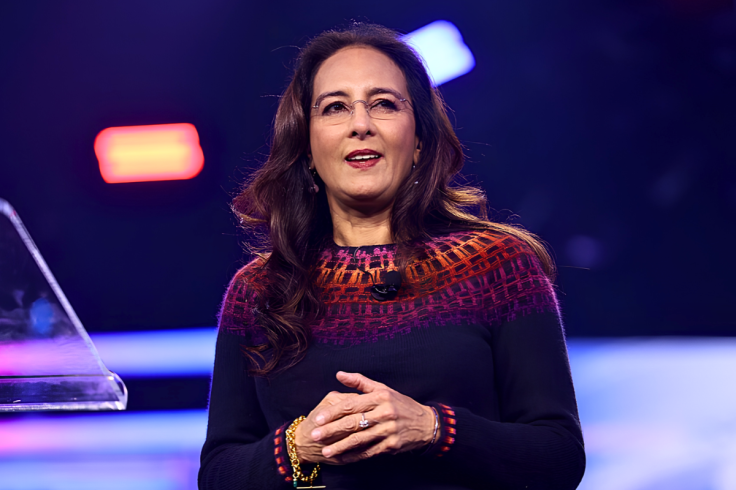
Harmeet Dhillon resigned as head of the Justice Department's Civil Rights Division on Thursday, saying she had decided to leave three weeks earlier but delayed the announcement at the White House's request until after Tuesday's midterms.
The timing matters. Dhillon's exit is the first senior Justice Department departure since Democrats won Congress, raising questions about the delay. Her division enforces federal laws on voting rights, policing, and discrimination, so her successor will shape US enforcement.
A Resignation Held Back Until the Votes Were In
Dhillon reshaped the division from its traditional focus on racial discrimination and ballot access into a vehicle for the administration's priorities. Under her watch, it opened investigations into diversity, equity, and inclusion (DEI) programmes, challenged race-conscious university admissions, and filed lawsuits pressing states to hand over voter data. The lawsuits placed state election records under scrutiny.
She formally submitted her resignation on 5 November, two days after Republicans absorbed heavy losses. Attorney General Todd Blanche confirmed the exit in a post on X, writing that Dhillon 'led the Civil Rights Division with conviction the past 18 months'. Dhillon's letter to President Trump said she would 'continue fighting for our country in the years ahead'.
Today, I accepted the resignation of Assistant Attorney General Harmeet Dhillon, who led the Civil Rights Division with conviction the past 18 months. She has defended the civil liberties of every American and enforced the law without fear or favor. The Department is grateful for her dedicated public service, and we wish her every success in her future endeavors.
— Attorney General Todd Blanche (@AGToddBlanche) November 5, 2026
A Division Hollowed Out Under Her Watch
Dhillon reshaped the division from its traditional focus on racial discrimination and ballot access into a vehicle for the administration's priorities. Under her watch, it opened investigations into diversity, equity, and inclusion (DEI) programmes, challenged race-conscious university admissions, and filed lawsuits pressing states to hand over voter data.
The cost to staffing was steep. An estimated 75% of the division's career lawyers had left by earlier this year, according to figures provided to Congress. The Justice Department said it hired 130 replacement attorneys, though former officials questioned the new lawyers' experience.
Critics and Allies Split Over Her Record
Reaction broke sharply along familiar lines. Kristen Clarke, now general counsel for the National Association for the Advancement of Colored People (NAACP) and a former head of the division, said Dhillon had 'weaponized the Division to target institutions to achieve illegitimate, partisan goals'. Stacey Young, a former division attorney, called her the most destructive leader in the office's history.
Supporters credited her with enforcing the law without fear or favour and defending religious liberty. Dhillon framed her departure as a personal choice rather than a reaction to the election results, telling Fox News, 'My decision, my choice,' before adding, 'It's time.'
Congressional Scrutiny After the Shakeup
Dhillon may not be the last. Whether more Justice Department officials will resign remains unclear, but a Democratic Congress is preparing to wield subpoena power in January. Officials who stay could face tougher oversight and confirmation fights for nominees.
For readers, the practical question is who inherits an office that decides which discrimination, voting, and policing cases the federal government pursues. The division's direction has swung hard between administrations, and the coming appointment will set enforcement priorities that reach schools, employers, and polling places nationwide. These decisions can affect communities far beyond Washington, shaping how federal civil rights protections are enforced.
© Copyright IBTimes 2026. All rights reserved.