Michelle Keegan's 'The Blame' Is Fiction, but the Casey Review Found Misogyny in a Real British Force
ITV's drama takes place in a made-up town, but a 2023 report described the same sexism inside Scotland Yard
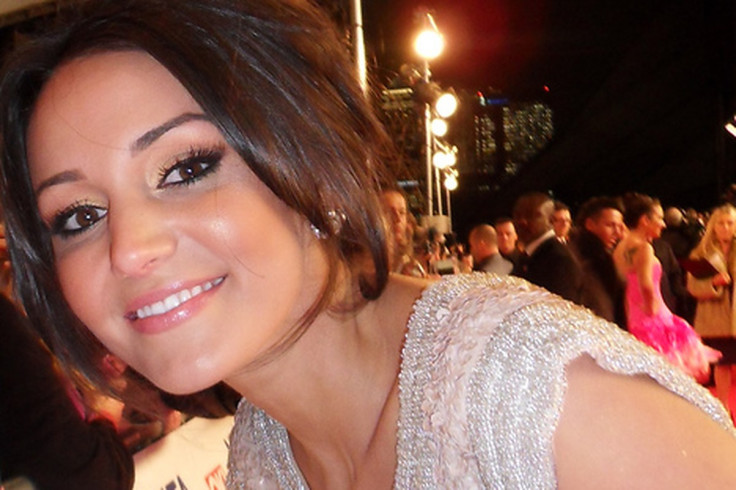
Michelle Keegan is back on ITV in The Blame, a six-part thriller that began on Sunday 20 September. She plays a detective in a police station where male officers treat sexism as banter. Wakestead is fiction. London's Metropolitan Police is not, and in March 2023 Baroness Louise Casey found institutional misogyny inside it.
Institutional means the fault lies in the force's systems, not just a few bad officers. Baroness Casey's report says 'female officers and staff routinely face sexism and misogyny'. The Met ordered the review after one of its officers murdered Sarah Everard in 2021. A check on whether that culture has changed is under way.
Inside the 2023 Report on the Met
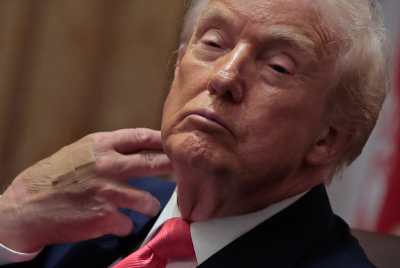
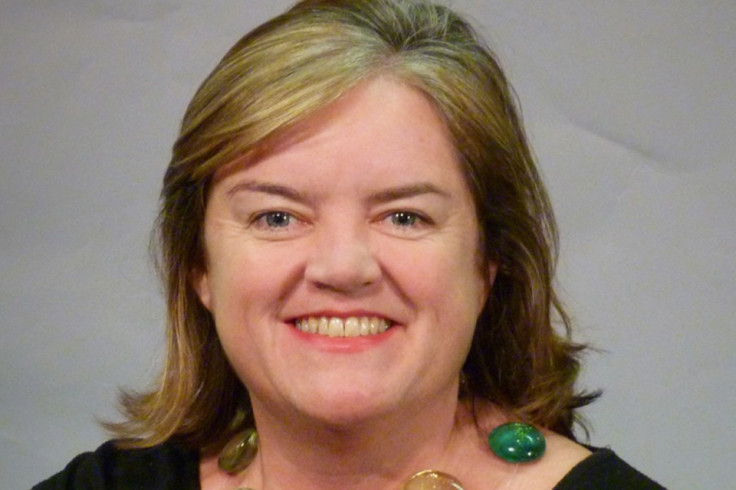
Baroness Casey's team spent a year on the review. They held about 350 meetings, visited all 12 of the Met's local commands, and surveyed 6,751 current and former Met staff. One in five of those staff, 22%, said they had faced bullying. Colleagues and managers tolerated racist, misogynistic, and homophobic acts, the report found, or wrote them off as banter. Baroness Casey, pictured below, applied four tests before she called the misogyny institutional.
Sir Mark Rowley, the Met Commissioner, accepted the findings but would not use the word institutional. Baroness Casey told The Times that his choice disappointed her. Met officers were 71% male, and at the current hiring rate the force would not reach an equal split until 2053. The Met often did not believe women who reported abuse, the review found, and those women then faced counter-claims from the men they accused.
How the Drama Borrows From Real Cases
Polly Hill, ITV's director of drama, ordered the series from Quay Street Productions in August 2025. She said then that it 'cleverly tackles police corruption, exploitation and misogyny'. Keegan plays detective Emma Crane, and Douglas Booth plays her colleague Tom Radley. Their case begins when the body of a teenage figure skater, Sophie Madsen, turns up in Wakestead. Megan Gallagher wrote the scripts from Charlotte Langley's novel of the same name.
Booth told the website TechRadar that 'when we spoke to police, they understand that there are issues'. The parallel he points to has a paper trail. In February 2022, the Independent Office for Police Conduct (IOPC) published Operation Hotton, an inquiry into officers who worked mainly at Charing Cross police station. It found racist, sexist, and homophobic messages sent between 2016 and 2018. Baroness Casey's report lists that case among the scandals that damaged the force's reputation.
What Happens Next for the Met
Dr Gillian Fairfield leads that check. The Mayor of London and the Met Commissioner appointed her in December 2025 to lead the two-year review Baroness Casey requested. On the review's website, she says she aims to 'report back to the Mayor and Commissioner in October 2026'.
Baroness Casey also recommended that the Met's overseers consider splitting the force into national, specialist, and London arms if the progress reviews find too little change. October is also the month the drama's six-week run ends. ITV1 shows the remaining episodes on Sunday evenings, and all six are now on ITVX.
© Copyright IBTimes 2026. All rights reserved.
- Recommended For You