

Jamaica Asks King Charles a Question Britain Still Doesn't Answer: Who Owes Reparations?
Jamaica petitions Judicial Committee of the Privy Council on slavery reparations
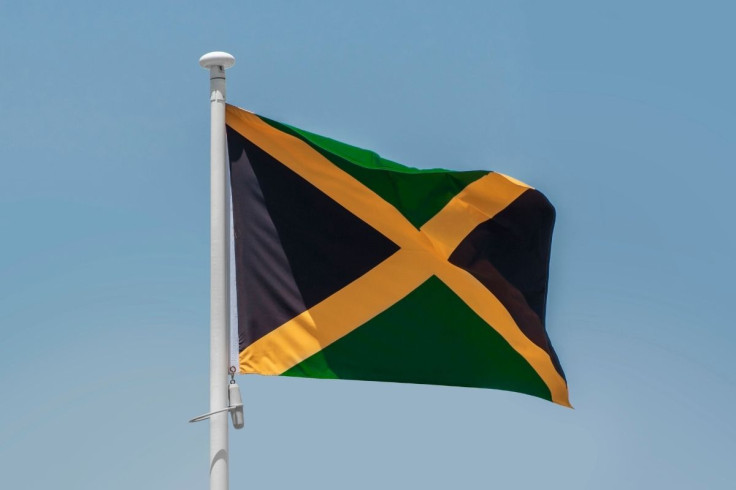
Jamaica has formally petitioned King Charles III over the legal legacy of chattel slavery, asking him to refer three questions about the enslavement of Africans in Jamaica to the Judicial Committee of the Privy Council.
The petition was filed in London on 7 September 2026 by Olivia Grange, Jamaica's Minister of Culture, Gender, Entertainment and Sport. The Jamaican government stressed that the petition does not include a monetary claim. Instead, it seeks legal determinations on questions that could establish whether a reparatory remedy has a legal basis.
Jamaica Wants Three Questions Examined
The petition asks whether the seizure, transportation and enslavement of Africans as chattel were ever lawful under English law; whether the seizure, transportation and enslavement of Africans in Jamaica breached international law; and whether the UK has a legal obligation to provide a reparatory remedy to the people of Jamaica.
Grange said Jamaica expects the petition to be referred to the Judicial Committee and will await its decision. The Jamaican government described the initiative as a legal procedure rather than a monetary claim.
Why King Charles Is Involved
The petition is addressed to Charles in his capacity as Head of State of Jamaica. The request uses a special legal procedure under which questions of legal or constitutional importance can be referred to the Judicial Committee of the Privy Council for determination.
The King is not being asked to personally determine how much money Britain should pay. The immediate request is for the three legal questions to be referred for consideration.
If the questions are referred and answered in Jamaica's favour, the precise form of any remedy would still need to be determined. The petition itself does not award compensation or establish that the UK is already legally liable.
Zong Massacre Gives Petition Historical Weight
Jamaica timed the filing around the 245th anniversary of the Zong massacre, one of the most notorious episodes in the history of the transatlantic slave trade.
In 1781, enslaved Africans were thrown overboard from the British slave ship Zong during its voyage to Jamaica. The ship's owners subsequently sought an insurance payment for those who had been killed. Jamaica's government commemorated the massacre on the eve of the petition and linked its victims to the country's broader case for reparatory justice.
Grange said the petition was intended to honour African ancestors who suffered under centuries of enslavement on the island, including victims of the Zong massacre.
Addressing a media briefing following the filing of the petition, Minister Grange said: “We have filed a reparations petition to His Majesty. We anticipate that the petition will be referred to the Privy Council and we will await the decision.”
— Ministry of Culture, Gender, Entertainment & Sport (@MCGESJamaica) September 8, 2026
Read more:https://t.co/oaCxFBHLdL pic.twitter.com/X25mDGh2Yg
Britain Still Rejects Reparations
Jamaica's legal initiative comes against the backdrop of the UK government's continued opposition to paying reparations for slavery.
That creates the central dispute behind the petition. Jamaica is asking whether the United Kingdom has a legal obligation to provide a reparatory remedy, while the British government has rejected calls for reparations.
The petition does not guarantee that Jamaica will receive compensation. Its immediate purpose is to seek judicial consideration of the three questions identified by the Jamaican government.
A Legal Test With Wider Implications
Jamaica's move has received support from other Caribbean governments through CARICOM and forms part of a wider regional campaign for reparatory justice.
For Jamaica, the significance is not limited to financial compensation. The petition seeks to establish whether the legal system connected to Britain's colonial rule can recognise a legal obligation arising from the seizure, transportation and enslavement of Africans and the continuing effects of that history.
The next crucial step is whether the petition is referred to the Judicial Committee of the Privy Council. Until then, no ruling has been made on the legal questions Jamaica has presented or whether the UK owes Jamaica a reparatory remedy.
© Copyright IBTimes 2026. All rights reserved.