

Fake Astronaut Scammed an Elderly Woman for $6,700 Claiming He Was 'Under Attack and in Need of Oxygen'
Sapporo woman in her eighties sent electronic cash vouchers across five convenience stores after fraudster claimed his damaged spacecraft was running out of oxygen
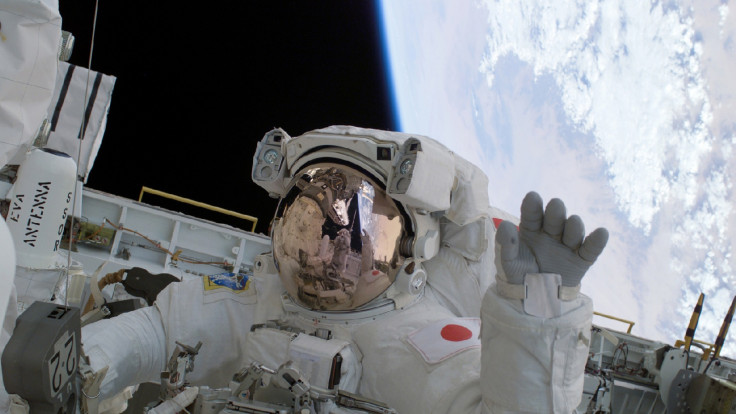
A Japanese pensioner living alone in the northern city of Sapporo was systematically swindled out of one million yen after falling victim to an audacious online imposter masquerading as an astronaut stranded aboard an embattled spaceship.
Police investigated a suspected romance scam in September 2025 after a woman in her 80s lost ¥1 million (approx. $6,700, £5,030 or €5,780) to an online acquaintance who claimed his spacecraft was under attack and needed oxygen.
Detectives from the Hokkaido Prefectural Police revealed that the con artist communicated through private digital channels and persuaded the elderly victim that his capsule was under hostile attack in Earth orbit, claiming only immediate financial subsidies could purchase life-saving atmospheric replenishment.
Believing the interstellar emergency to be authentic, the distraught pensioner carried out repeated electronic cash transactions across five commercial convenience stores in the Teine district before seeking advice from family members and alerting local police.
The bizarre swindle reflects an escalating international wave of impersonation fraud targeting vulnerable internet users, prompting the Japan Aerospace Exploration Agency to issue sweeping nationwide warnings about sophisticated cybercriminals exploiting public admiration for space exploration to carry out heartless financial extortion.
Fake Astronaut Turned Online Messages Into an Oxygen Plea
The suspect allegedly convinced the woman that he was an astronaut communicating with her from space. According to a local police officer who spoke to AFP, he claimed he was 'in space on a spaceship right now'.
He later described himself as 'under attack and in need of oxygen', claiming he required financial assistance to purchase oxygen for his spacecraft.
Police said the suspect maintained contact with the woman before introducing the supposed emergency and requesting electronic money.
The woman reportedly believed he was sending messages from space. As their communication continued, she developed feelings for the person behind the account. However, the police reports did not establish the suspect's identity or any genuine connection to space travel.
Woman Bought ¥1 Million in Electronic Money at Five Shops
The woman followed the suspect's instructions, purchasing electronic money on multiple occasions at five convenience stores in Sapporo's Teine area.
By 30 August 2025, she had purchased and transferred electronic money worth 1 million yen (approx. $6,334.39, €5,693.00 and £4,768.00), according to UHB's original report.
The police-based account describes electronic-money purchases rather than a conventional bank transfer.
After becoming concerned about the requests, the woman consulted family members before visiting police on 1 September 2025. Her relatives immediately recognised the fictional nature of the orbital battle and accompanied her to the local police station to submit a formal fraud complaint.
The incident subsequently became the subject of a suspected social media romance fraud investigation.
Public records released by constabulary officials confirm that the operator's identity has not been determined, and that no custodial arrests or recovered assets have been announced.
JAXA Warns About Fake Astronaut Accounts
Japan's space agency has separately warned about online impersonators posing as astronauts and agency personnel. Its warning addresses a broader problem and does not identify anyone involved in the Sapporo investigation.
The Japan Aerospace Exploration Agency (JAXA) updated its official warning on 27 July 2026, highlighting fraudulent accounts and messages appearing across several platforms.
The agency identified X, Instagram, Facebook, and LINE as social media services used in impersonation attempts. It also warned about fraudulent messages sent through free email services, including Gmail.
JAXA said its astronauts and employees do not send unsolicited direct messages through social media or use free email accounts for official business.
The agency also clarified that its personnel do not solicit donations through social media or request payments into personal bank accounts.
Recipients of suspicious messages are advised to block the sender, avoid opening unfamiliar links and refrain from sharing personal information.
JAXA also provides links to official astronaut accounts, allowing users to verify whether an online profile is genuinely from its personnel.
Although the warning is unrelated to the specific Sapporo case, both highlight the risks of online impersonation and financial requests from people whose identities have not been verified.
The Sapporo inquiry remains open as regional detectives collaborate with national telecommunications specialists to trace the digital routing paths utilised in the extortion.
© Copyright IBTimes 2026. All rights reserved.