

Jeff Bezos Remains Committed to The Washington Post? 'Save the Post' Plea Exposes Growing Internal Rift
Journalists rally behind #SaveThePost after sweeping job cuts
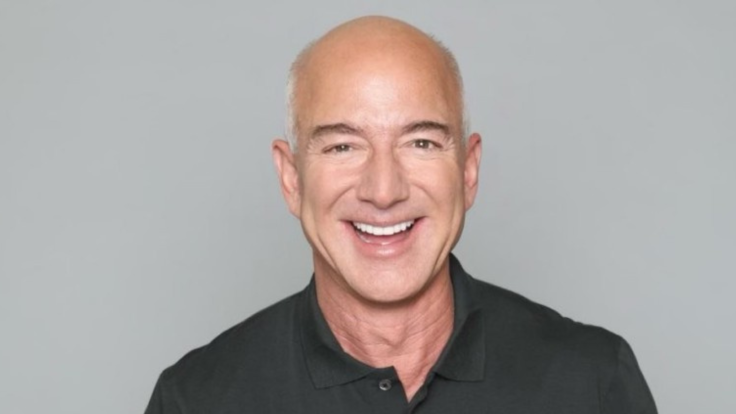
Hundreds of staff at The Washington Post were laid off this week in one of the most severe rounds of cuts in the paper's modern history, reigniting internal doubts about the publication's future even as its top editor insists owner Jeff Bezos remains committed to the title.
The job losses have prompted a wave of anger and anxiety inside the newsroom, with employees warning that the institution cannot 'cut its way to growth' as pressure mounts to reverse losses and restore financial stability.
Mass Layoffs Trigger Fresh Shock Inside the Newsroom
Roughly one in three employees were affected by the latest redundancies, including more than 300 roles in the newsroom, as reported by CNN. The scale of the cuts has intensified scrutiny of the Post's ownership and leadership, with staff describing the day as a turning point for morale.
Many journalists fear the reductions will weaken the paper's ability to sustain investigative reporting, political coverage, and specialist beats at a time of heightened competition in the digital news market.
Bezos' Position on the Future of The Washington Post
Executive editor Matt Murray told CNN that Bezos wants the Post to be 'a bigger, relevant, thriving institution' and supports efforts to reposition the business for growth.
Murray said Bezos has pushed management to reverse annual losses, return the newspaper to profitability and find a sustainable path forward. He also said the owner does not interfere in editorial decisions and does not dictate coverage, describing Bezos as supportive of the newsroom's independence.
Bezos has not publicly set out a detailed strategy for the paper's future. However, he has previously spoken about 'saving' the Post, a phrase that has taken on renewed significance amid the latest cuts and restructuring.
'Save the Post' Campaign Reflects Staff Backlash
In response to the layoffs, employees have rallied online around the hashtag #SaveThePost, with some journalists writing directly to Bezos in an effort to halt the cuts. The Post Guild issued a statement questioning whether the paper can be rebuilt through repeated reductions in staff and resources, arguing that long-term growth requires investment rather than contraction.
The campaign highlights a growing rift between newsroom sentiment and management strategy. Many staff members believe cost-cutting alone risks eroding the Post's journalistic mission and its ability to compete with rivals in US political reporting, investigative journalism and digital subscriptions.
Alas, I got that "Eliminated" email from the @washingtonpost. I LOVED that job. I firmly believe that telling delicious, curious, surprising stories is key to the success of journalism. I plan to keep doing so! (You can now hire me, if you agree) #SaveThePost pic.twitter.com/Ogqq1mmeXh
— Rachel Kurzius (@Curious_Kurz) February 4, 2026
Unbelievable that a man who spent US$75m on a film no-one wants to see about Melania Trump has just fired almost all the foreign correspondents on the newspaper he owns. You might think nothing was happening in this world. @JeffBezos @washingtonpost #SaveThePost
— Lindsey Hilsum (@lindseyhilsum) February 4, 2026
Leadership and Strategy Under Renewed Scrutiny
Attention has also focused on publisher and chief executive Will Lewis, who was appointed to help turn around the Post's finances. Murray defended Lewis, citing efforts to develop alternative revenue streams, invest in product technology and strengthen the digital subscription business. He said some initiatives are experimental, reflecting the broader challenges facing legacy media outlets seeking sustainable growth.
Despite these efforts, scepticism remains among employees about whether recent leadership changes have delivered tangible improvements. The layoffs have fuelled concerns that strategic shifts have yet to stabilise the business or restore confidence inside the organisation.
Political Controversies and Subscriber Losses Add Pressure
The Post has also faced criticism following editorial decisions that alienated parts of its readership in recent years, contributing to subscriber losses.
Internal unease has been compounded by concerns about how political coverage and opinion strategy may affect public trust in the brand. While newsroom leaders insist reporting remains independent, staff say the broader climate has made it harder to retain loyal readers and rebuild digital audiences.
Reporting Continues as Specialist Beats Are Cut
Murray said the Post continues to break major stories and remains committed to aggressive reporting on US politics and technology. However, employees noted that more than half of the technology beat reporters were among those laid off, raising questions about future coverage capacity.
The challenge now facing The Washington Post is whether it can maintain its influence and investigative depth while undergoing one of the most dramatic restructurings in its history.
© Copyright IBTimes 2026. All rights reserved.