

Ryan Routh Begs Judge to Spare Him Life in Prison, Says 'No One Was Harmed' in Trump Shooting Case
A Secret Service agent spotted the suspect concealed and armed with a rifle
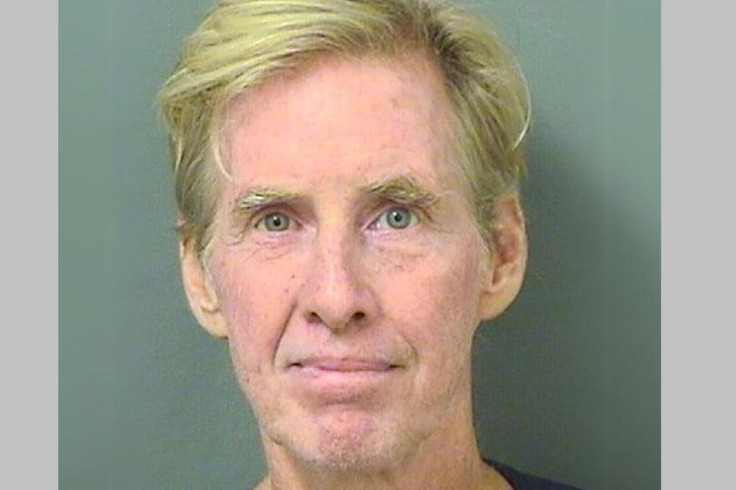
Ryan Routh, the man convicted of attempting to shoot Donald Trump at a Florida golf course, is due to be sentenced in federal court as his defence urges a judge to spare him from life in prison.
The case, which stunned US politics and reignited fears about political violence, now centres on whether Routh will spend the rest of his life behind bars or face a lengthy but finite term. Prosecutors say only a life sentence reflects the seriousness of the offence. Routh's legal team argues that no one was harmed and that decades in prison would be punishment enough.
What Happened at Trump International Golf Club
The incident took place in 2024 at Trump International Golf Club in West Palm Beach, Florida. Court evidence showed that a Secret Service agent spotted Routh concealed in shrubbery with a rifle aimed towards the course as Trump was playing nearby. Routh was intercepted and arrested before any shots were fired. Authorities said Trump, his staff and Secret Service agents were not injured.
The episode prompted an immediate security response and a wider review of protective measures for high-profile political figures. It also placed renewed scrutiny on how close armed suspects can come to protected individuals despite layers of security.
Conviction and Charges
A federal jury convicted Routh in September of attempting to assassinate a US president. Under current sentencing calculations, the offence carries the possibility of life imprisonment without parole. The conviction places the case among the most serious attacks on a US political figure in recent years, even though the attempt was foiled before anyone was hurt.
Legal experts note that federal sentencing guidelines for attempted assassination reflect both the intent and the potential consequences of the act, regardless of whether injuries occurred.
Defence Plea Cites 'No One Was Harmed'
In a sentencing submission, Routh's defence asked US District Judge Aileen Cannon to impose a term of years rather than life in prison. His lawyer argued that the attempt was unsuccessful and that 'no one was harmed' during the incident, as reported by the Palm Beach Post.
The defence proposed a 20-year prison term followed by a mandatory additional period, which would keep Routh incarcerated well into old age while leaving open the possibility of release.
The defence has framed the request as a plea for proportionality, arguing that a finite sentence would still amount to severe punishment for a crime that did not result in physical injury.
Prosecutors Seek Life Sentence
Federal prosecutors have urged the court to impose a life sentence, arguing that the offence amounted to an attack on democratic processes and posed an extreme risk to public safety. In court filings, prosecutors said the law provides peaceful avenues to oppose political figures and that violence is not among them.
They also pointed to Routh's past conduct and messages presented at trial as evidence that the attempt was not an isolated lapse in judgement. Prosecutors say these factors demonstrate an ongoing risk that warrants the harshest available penalty.
Judge's Decision and Sentencing Factors
Judge Aileen Cannon will weigh sentencing guidelines, the defence's mitigation arguments and the prosecution's request for life imprisonment. The court is expected to consider the seriousness of the intent, the proximity of the armed suspect to a protected individual, and any history presented during sentencing.
The outcome will be closely watched, with the Trump shooting case seen as a bellwether for how the US justice system punishes attempted political violence, even when no injuries occur.
© Copyright IBTimes 2026. All rights reserved.