BBC Layoffs: Broadcaster Set for Biggest Round of Job Cuts Since 2011 After 'Savage' Staff Meeting
The BBC plans to cut 2,000 jobs as part of a restructuring strategy to adapt to financial challenges and a digital-first future.
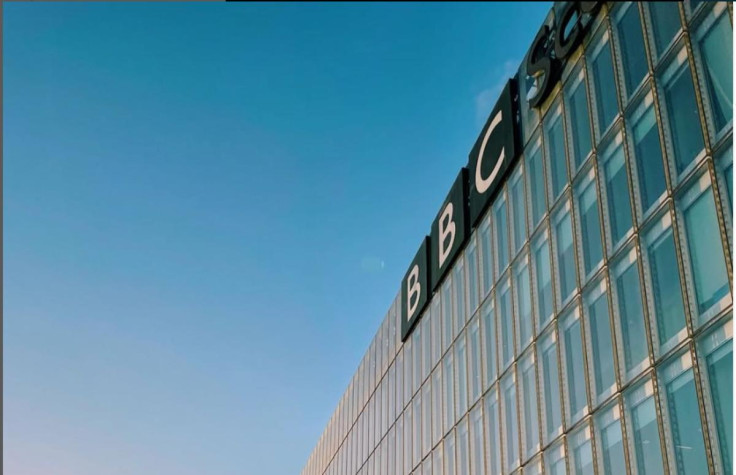
The BBC's decision to cut up to 2,000 jobs has sent shockwaves through the UK media industry, with staff and unions condemning the move as the biggest downsizing at the corporation in nearly 15 years. The announcement has left many asking what pushed the broadcaster to act now, and why the cuts are so deep.
Why Did BBC Decide on Massive Job Cuts?
Behind the dramatic announcement lies a combination of financial strain, changing audience habits and pressure to modernise one of Britain's most important institutions. The BBC said the cuts are part of a wider restructuring plan aimed at reducing costs by around 10% over the next two to three years. That equates to roughly £500 million in savings, a target executives say is necessary to keep the BBC sustainable in an increasingly competitive media landscape.
One of the biggest reasons behind the cuts is pressure on the BBC's traditional funding model. The corporation is primarily funded through the television licence fee paid by UK households, but fewer people are paying as viewing habits change. Many younger audiences now prefer streaming services such as Netflix, Disney+, YouTube, and TikTok over live television, weakening the model that supported the BBC for decades.
Although the licence fee recently rose to £180 a year, executives argue that income growth has not kept pace with inflation, rising production costs and the expense of maintaining a vast national and international operation. Like many large organisations, the BBC is also facing higher technology, staffing and content costs in a tougher global economy.
Another major factor is the need to adapt to a digital-first future. Incoming director-general Matt Brittin, a former Google executive, is widely seen as a signal that the BBC wants to accelerate its transformation into a more tech-driven media company. His appointment comes at a time when audiences increasingly consume news, entertainment and sport online rather than through traditional broadcast channels.
Is The BBC Making The Right Move?
Industry analysts say the BBC is under pressure to invest more heavily in streaming platforms such as iPlayer, personalised digital services, mobile apps and data-led content strategies. To fund that shift, the corporation may be reducing spending in older structures, overlapping departments and administrative areas. In short, the cuts are not only about saving money; they are also about redirecting resources towards where future audiences are.
The timing is also significant. The BBC's current royal charter, the document that governs how it operates and is funded, expires at the end of 2027. The UK government is reviewing future funding options, including possible alternatives to the licence fee. With uncertainty ahead, BBC leaders appear keen to demonstrate that the organisation can reform itself, improve efficiency and deliver better value for money before major political decisions are made.
Still, supporters of the restructuring say the BBC has little choice. They argue that a broadcaster built for the 20th century must evolve to survive in the 21st. Without major reform now, they warn, the financial pressures could become even worse later.
For many viewers, the BBC remains a trusted national institution. But the 2,000 job cuts show that even iconic public broadcasters are not immune to economic reality, technological disruption, and the urgent need to reinvent themselves for a new era.
© Copyright IBTimes 2026. All rights reserved.
- Recommended For You