Jeffrey Epstein's Alleged Suicide Note That Remains Hidden From Public Includes These Distressing Four Words, Cellmate Claims
The mystery deepens as a suppressed note allegedly reveals Epstein's final words, raising questions about his mental state and the circumstances of his death.
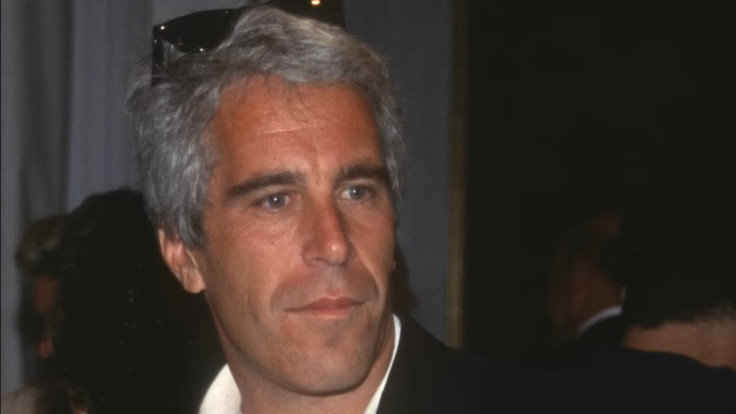
The mystery surrounding the final days of Jeffrey Epstein has deepened following claims that a suppressed suicide note contains a haunting four-word farewell. While the financier's death in a Manhattan jail cell was officially ruled a suicide, the full extent of his final communications remains shielded from the public eye.
The existence of this document, allegedly found hidden within a book, has reignited questions about Epstein's mental state and the circumstances leading up to his demise. Despite the release of thousands of pages of related evidence, this specific item has become a central point of contention in ongoing legal narratives as it remains hidden from the public.
Cellmate Claims Note Contained 'Time To Say Goodbye'
Nicholas Tartaglione, the former police officer who shared a cell with Epstein at the Metropolitan Correctional Center, has come forward with details regarding the late sex offender's suicide note that he claims to have discovered. The note was reportedly written on yellow legal paper and kept hidden in a graphic novel within his cell with Tartaglione.
According to Tartaglione, Epstein still proclaimed his innocence, writing, 'What do you want me to do, bust out crying?' Additionally, Epstein reportedly wrote these disturbing four words: 'time to say goodbye,' per The New York Post.
Tartaglione mentioned the purported suicide note in a podcast last year. It was part of his defence against allegations that he had assaulted the disgraced financier. In July 2019, Epstein was found with red marks on his neck and initially claimed Tartaglione had attacked him. Tartaglione, a disgraced cop who was convicted of four murders, denied these accusations.
Bureau of Prisons records also supported Tartaglione's statement as Epstein reportedly told officials he 'never had any issues' with his cellmate, the Mirror US reported. He further stated that he felt safe sharing a cell with the former officer, complicating the earlier assault claims that had put Tartaglione under scrutiny.
A cryptic two-page chronology record details how Tartaglione's legal team reportedly authenticated a hidden note for use in his legal battle, though the documents do not specify the methods used for verification.
There are speculations that the red marks on Epstein's neck were an indication of a suicide attempt just weeks after his arrest.
Why The Hidden Message Is Crucial?
The significance of Epstein's suicide note lies in its potential to provide a rare window into Epstein's mindset during the weeks preceding his death. For investigators and the public, such a document could clarify whether his eventual suicide was a long-planned exit or a sudden decision.
Understanding his state of mind is essential for resolving the various conspiracy theories that have flourished since 2019. If the note is authentic, it suggests a level of premeditation that would align with the official ruling of self-inflicted death.
However, its continued absence from official document dumps has only fueled further scepticism. Until it is released and fully verified by independent experts, the message remains unconfirmed but highly significant testimony from a key witness.
Transparency Act Fails To Reveal Purported Final Note
Jeffrey Epstein died in August 2019 while awaiting trial on federal sex trafficking charges, an event that triggered worldwide scrutiny of prison protocols. In response to public demand, the Epstein Files Transparency Act, signed by President Donald Trump on 19 November 2025, led to the release of millions of documents last year, detailing everything from flight logs to internal prison memos and his correspondence with people close to him, including his brother, Mark.
A spokesperson for the Justice Department told the New York Times that it 'underwent an exhaustive effort to collect all records in its possession,' including items from the Bureau of Prisons and the Office of the Inspector General. Curiously, the purported suicide note mentioned by Tartaglione was not included among the materials made available for public review. The exclusion has prompted fresh calls for the Department of Justice to account for all evidence recovered from Epstein's cell.
The absence of Epstein's purported suicide note leaves a significant gap in the historical record of the case. Hopefully, in time, it will be released and help address the distressing and debated elements of the Epstein saga.
© Copyright IBTimes 2026. All rights reserved.
- Recommended For You