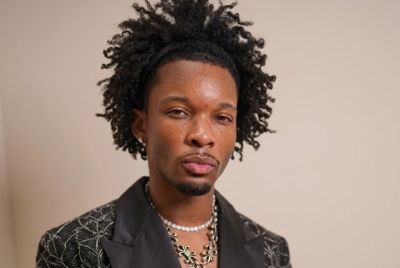
Karmelo Anthony's Parents Under Fire for Attempting New Cash Grift After $600K Fundraiser Blocked
The case of Karmelo Anthony extends beyond the courtroom, sparking debates over fundraising transparency and donor intent amid ongoing legal proceedings.
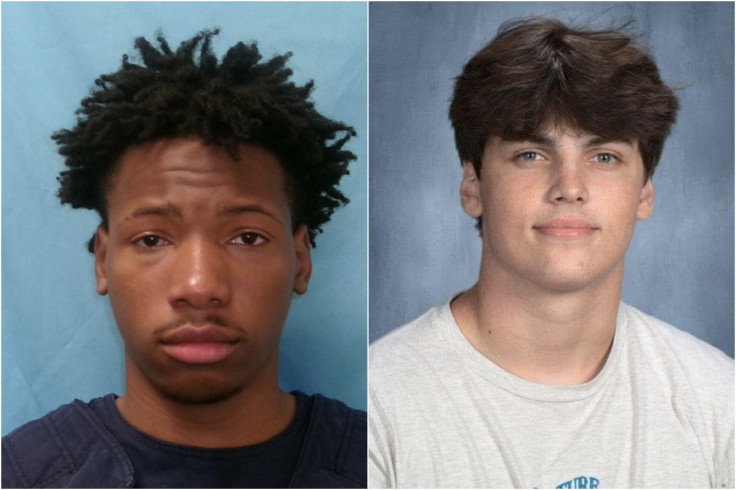
Karmelo Anthony's case has moved beyond the courtroom into a second public dispute centred on fundraising activity, donor intent and a newly surfaced appeal effort following the closure of a major donation campaign. Days after Anthony was sentenced to 35 years in prison for the killing of Austin Metcalf, the GiveSendGo campaign that raised nearly $634,000 for his family was shut down, even as Anthony told the court he was unable to afford legal counsel for his appeal.
The developments have added further complexity to a case that continues to generate attention across legal, financial and online spheres, with questions now focused on how earlier donations were used and what any new fundraising efforts are intended to cover.
Fundraiser Closure and Disbursement
The original campaign, Help Karmelo Official Fund, was launched on 15 April 2025, less than two weeks after Anthony fatally stabbed 17-year-old Austin Metcalf during a track meet in Frisco, Texas. It set a target of nearly $1.4 million and ultimately raised just under $634,000 before being taken offline following Anthony's conviction.
Kai Cenat revealed in a newly released video that he will be donating $750k to 19 year old Karmelo Anthony and his family to help him with his case 😬👀
— Obsrvate (@obsrvate) June 12, 2026
"Another black kid being failed by the system, it was clearly self defense"
"I got $750k for him we need to stick together" pic.twitter.com/PrcYv4Gfxb
GiveSendGo said the fundraiser was created to support pre-trial needs and confirmed that funds had already been disbursed over the past year for stated purposes, including legal defence and family relocation. The platform said the campaign was closed because its purpose had been fulfilled and to ensure fundraising records remained accurate for donors.
Anthony's family previously said the funds were intended to cover a broader range of needs, including relocation, transport, counselling and living expenses, citing safety concerns and reported threats linked to the case.
Appeal Filing and Legal Funding Claim
Anthony filed a notice of appeal the day after sentencing and submitted court documents stating he could not afford legal representation. In filings reported by WFAA, he described himself as a "penniless, destitute, and indigent person" and requested court-appointed counsel for the appeal process.
The filing has drawn scrutiny because of its timing alongside the earlier fundraising total, raising questions in public discussion about how previous donations were allocated and whether they were intended to support ongoing legal proceedings beyond trial.
Supporters of Anthony argue the fundraising effort was not limited to legal fees alone and was also intended to support wider family needs during and after the trial. Critics, however, point to the scale of the donations and the indigence claim as a point of tension in the case's financial narrative.
The criminal proceedings have concluded at trial stage, but legal and financial questions connected to the case remain active through the appeal process.
Ongoing Fallout for Both Families
The impact of the case has continued beyond Anthony's family. Austin Metcalf's father, Jeff Metcalf, has said the family has faced ongoing harassment, including threats, doxxing attempts and swatting incidents, prompting increased attention from local authorities.
Austin Metcalf's dad Jeff speaks out for the first time since Karmelo Anthony was found guilty!🔥
— 🇺🇸 Snipe The Hype (@queensebay) June 11, 2026
He let everyone know exactly what he thinks about Karmelo's parents and the rest of the race grifters!🔥 pic.twitter.com/6VCZ6BtmBX
Those developments have added a further layer of tension to a case that has remained highly visible online, where commentary and reaction have persisted long after the verdict.
Jeff Metcalf has also stated publicly that he does not view the case through a racial lens, despite wider online discussions that have at times framed the incident in broader social terms. That contrast has contributed to the polarised nature of public reaction surrounding the case.
Emergence of a New Fundraising Effort
While the original GiveSendGo campaign has been closed, a separate fundraising effort has reportedly emerged, with Dominique Alexander involved. Alexander has acted as a spokesperson for Anthony's family throughout the case, and his continued involvement in fundraising discussions has kept attention focused on how support efforts are being managed following the closure of the original campaign.
Let me be clear about the Karmelo Anthony fundraiser. Because the speculation is traveling and the facts aren't.
— RealTimBlack (@RealTimBlack) June 12, 2026
FACT: The fundraiser was created by Karmelo's mother, Kala Hayes, on April 15, 2025 less than two weeks after the incident. Stated goal: $1,396,725.
FACT: As of his…
The timing of the new effort has prompted further scrutiny because it follows closely after the disbursement and closure of a campaign that had already raised substantial funds, while an appeal process is ongoing and legal costs remain uncertain.
At this stage, it has not been publicly detailed how any new funds would be allocated or how they would relate to previously distributed donations.
Continuing Dispute Over Funds and Intent
The overlap between legal proceedings, fundraising activity and ongoing public reaction has kept the case in focus even after sentencing. Supporters emphasise relocation costs, safety concerns and extended legal expenses as justification for continued financial support. Critics raise questions about transparency, donor expectations and the relationship between earlier fundraising totals and current legal claims.
Karmelos parents need to be prosecuted for wire fraud. They are trying to profit off of their son’s case.
— B (@antiwoke50) June 14, 2026
With an appeal underway and new fundraising activity emerging, the financial dimension of the case remains unresolved.
For now, the case continues to generate dispute beyond the courtroom, shaped by both the conviction itself and ongoing questions over how funds were raised, how they were used, and what obligations remain to donors moving forward.
© Copyright IBTimes 2026. All rights reserved.
- Recommended For You