

Virginia Giuffre's Memoir 'The Nobody Girl' Reveals Threats Kept Some Epstein Victims' Names Hidden
Legal risks, evidentiary limits, and fear of retaliation prevented full names from being publicly disclosed.
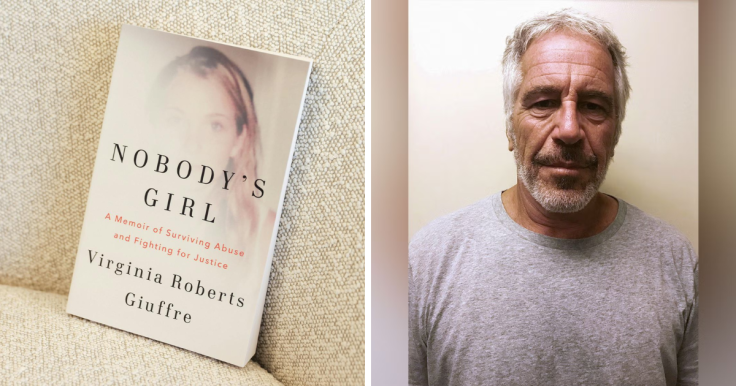
Nobody's Girl: A Memoir of Surviving Abuse and Fighting for Justice by Virginia Giuffre has brought the long-running questions surrounding Jeffrey Epstein back into the public spotlight.
Beyond recounting her experiences, the posthumous book sheds light on why certain individuals linked to Epstein were not publicly identified, despite years of speculation and demands for greater transparency.
Completed before Giuffre's death in April 2025 and published in October that year, the memoir was written with journalist Amy Wallace.
The book details Giuffre's account of being groomed and trafficked while also describing her efforts to seek accountability from influential figures she believed were connected to the abuse she endured.
Why Some Names Never Appeared Publicly
One of the most discussed aspects of the memoir is its suggestion that not every person Giuffre believed was involved could be named in print. According to reports, Giuffre had long expressed a desire to identify all individuals she believed played a role in the abuse network, but legal concerns, evidentiary standards, and publishing risks created significant obstacles to meet this desire.
The memoir presents a picture of a story that Giuffre felt was larger than what readers ultimately received. Reports indicate she shared information with law enforcement agencies over the years, but not every detail became public knowledge.
Giuffre also indicated in the memoir that fear of retaliation played a role in her decision not to publicly identify every man she said she was trafficked to. In her account, she wrote that some of those individuals had warned they could 'use litigation to bankrupt' her, per Business Insider.
'There are other men whom I was trafficked to who have threatened me in another way: by asserting that they will use litigation to bankrupt me,' Giuffre wrote in her memoir.
Wallace also said, speaking about the threats, 'I think when people hear that, obviously it's expensive to be kept in a court case for the rest of your life, but also for survivors of trauma it is torturous because you're basically asked over and over again to say 'where did he put his hand, where did you put your whatever', over and over again.'
Legal Barriers and Unreleased Records
Amy Wallace stated in interviews that authorities already possess information regarding individuals connected to the case. Speaking to The Guardian, Wallace said Giuffre had 'talked to the FBI two different times and she gave them the names,' adding that they had known the names 'since 2011,' but stated that 'those men have never been interviewed.'
She has also indicated that public disclosure is not as simple as publishing a list of names, particularly when legal and evidentiary issues remain unresolved.
As a result, the memoir highlights a recurring frustration felt by survivors and observers alike, that information may exist within investigative files, but that does not automatically make it suitable for publication. The difference between suspicion, testimony, documented evidence, and proven wrongdoing remains a crucial legal distinction.
Although attention has centred on missing names, Nobody's Girl is primarily a personal account of survival. The memoir traces Giuffre's journey from a vulnerable teenager to one of the most recognised voices challenging Epstein and his associates.
Giuffre died at 41 after committing suicide while residing in Western Australia on 24 April 2025.
© Copyright IBTimes 2026. All rights reserved.
- Recommended For You


