

Jon Snow Series Cancelled: Reasons Unveiled, George R.R. Martin Confirms Upcoming Game of Thrones Sequels
HBO drops Jon Snow sequel while expanding the Game of Thrones universe
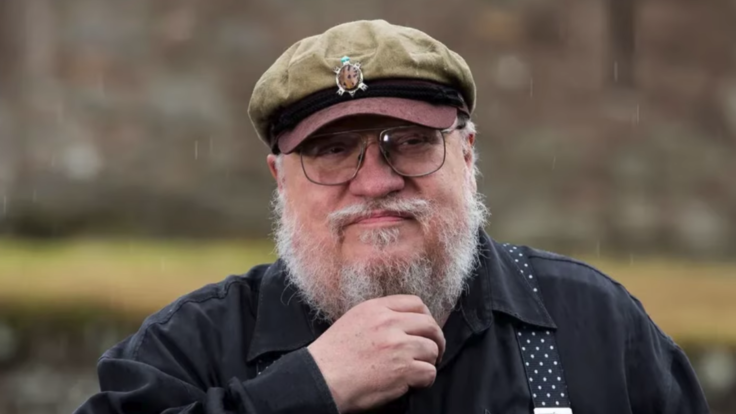
HBO has officially confirmed the Jon Snow series cancellation, ending plans for a direct sequel to Game of Thrones. While the project starring Kit Harington has been shelved, author George R.R. Martin says the franchise is moving ahead with multiple new spin-offs and sequels set across different eras of Westeros.
The decision signals a clear creative shift as HBO prioritises fresh storylines over continuing the arcs of familiar characters.
Why the Jon Snow Sequel was Abandoned
The proposed series, which would have followed Jon Snow after his exile beyond the Wall, struggled to gain narrative momentum during development. Speaking at the Iceland Noir literary festival, Martin confirmed that the project was dropped, citing broader plans for the franchise instead.
According to reports detailing the Jon Snow series cancellation, the creative team faced difficulty defining a compelling post-finale story that would justify reopening Jon's arc without revisiting the controversy surrounding the original show's ending. HBO ultimately opted to redirect resources toward new projects rather than risk audience fatigue.
George R.R. Martin Confirms More Sequels are Coming
Despite the Jon Snow setback, Martin made it clear that Westeros is far from finished. He revealed that HBO is actively developing several new Game of Thrones projects, most of them set in earlier periods of the saga's history.
Martin confirmed that there are 'five or six' spin-offs in development, including at least one sequel, though he stopped short of naming characters or timelines. These projects are being developed with multiple creative partners rather than handled solely by Martin himself.
HBO has already committed to expanding the universe with an Aegon the Conqueror series and the animated project 10,000 Ships, reinforcing a strategy focused on unexplored lore rather than direct continuations.
HBO's Safer Bet on Established Spin-offs
The network's confidence currently lies with proven titles. House of the Dragon has been renewed for a fourth season, while A Knight of the Seven Kingdoms is set to return for a second season.
Both shows benefit from tighter narratives and clearer source material, which has helped them avoid the pacing and tonal issues that plagued later seasons of Game of Thrones. In contrast, the Jon Snow sequel carried higher creative risk with fewer clear story foundations.
Fantasy Fans Look Beyond Westeros
As HBO reshapes its franchise strategy, other studios are positioning themselves to attract fantasy audiences. One notable contender is Disney+'s upcoming adaptation described as a Game of Thrones spiritual successor, The Ring & The Crown.
The series, based on the novels by Melissa de la Cruz, centres on royal politics, arranged marriages, betrayal and power struggles. According to early development details, its ensemble-driven storytelling and darker tone are expected to appeal to fans of Westeros-style intrigue without directly copying its mythology.
What the Cancellation Means for the Franchise
Ending the Jon Snow sequel closes the door on revisiting one of Game of Thrones' most iconic characters. However, it also allows HBO to reset expectations and explore new corners of its fictional world without being tied to unresolved fan debates.
With multiple sequels and prequels now in development, the franchise is entering a new phase built around expansion rather than continuation. For fans, Jon Snow's journey may be over, but the world he came from is still very much alive.
© Copyright IBTimes 2026. All rights reserved.