

Liam Neeson Responds to Backlash, Insists He Isn't Anti-Vax After Voiceover Role in Covid Film With RFK Jr.
Liam Neeson denies anti-vax stance after narrating controversial COVID documentary with RFK Jr.
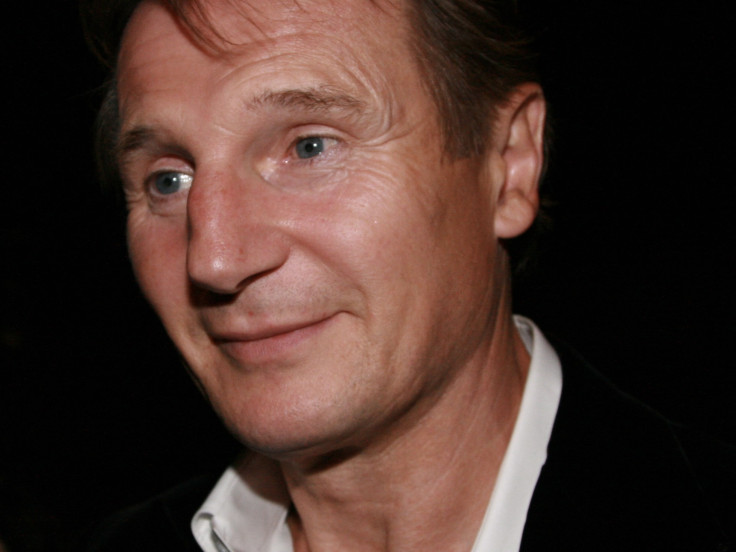
One of cinema's most dependable stars, the rugged, charming Liam Neeson, is currently embroiled in the kind of international incident that even his character Bryan Mills from the Taken franchise would struggle to resolve with a 'particular set of skills.' The revered Northern Irish actor is desperately attempting to distance himself from claims that he is an anti-vaccine activist, following the release of a highly controversial new documentary he narrated.
The film in question, Plague of Corruption, has swiftly become a lightning rod for criticism, featuring a host of long-debunked COVID-19 theories and giving a generous platform to high-profile conspiracy theorists. For a star of Liam Neeson's stature—a figure whose name lends instant gravitas and mainstream credence—the mere association with such material is catastrophic.
It is a striking juxtaposition: the voice of a global humanitarian championing UNICEF's global immunisation efforts now providing the soothing, authoritative voice to a production widely condemned for peddling dangerous misinformation.
The stakes are impossibly high, crossing the line from Hollywood controversy into genuine public health concern. The documentary is based on a book by Judy Mikovits, a discredited former scientist whose central, baseless claim—that COVID-19 originated from a flu vaccine—is given airtime.
Furthermore, the film's executive producer is Kent Heckenlively, who is known for collaborating with figures like the notorious US conspiracy broadcaster, Alex Jones. Even the director, Michael Mazzola, has a history of working on UFO-focused projects, adding a bizarre, fringe colour to the entire production.
The film's content, narrated by Neeson, is deeply concerning. It criticises established pandemic lockdowns, questions vaccine research politics, and repeatedly airs claims that crucial vaccines were rushed and poorly tested. Moreover, it actively resurrects long-discredited ideas attempting to link childhood vaccinations to autism.
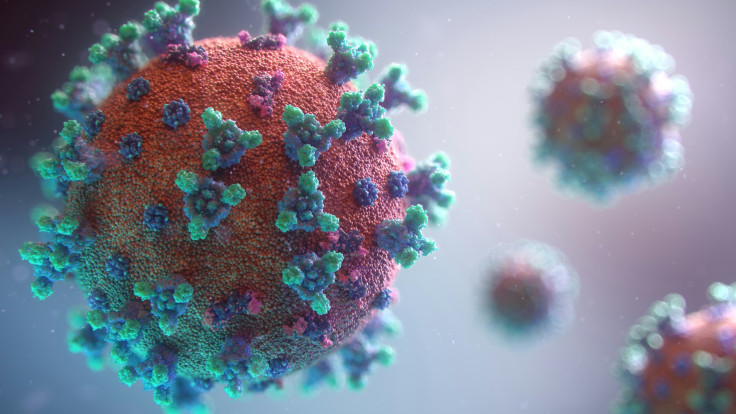
Liam Neeson Denies Anti-Vax Stance After Lending His Voice To Controversial COVID Claims
The immediate backlash forced a strong statement from the actor's representatives. They were unequivocal in their denial, attempting to draw a firewall between the star and the film's toxic content.
'Liam never has been, and is not, anti-vaccination,' his spokesperson confirmed. They stressed that his extensive and long-held support for global immunisation and public-health initiatives, particularly through his work with UNICEF, should be proof enough of his true stance. Crucially, they added that the actor 'did not shape the film's editorial content, and any questions about its claims or messaging should be directed to the producers.'
This defence suggests a narrative of an actor who perhaps took on a voiceover job without fully vetting the deeply damaging content, an oversight that now places an immense strain on his reputation. The implication is that the voice of the film was a piece of hired labour, disconnected from the political and scientific agenda it was promoting.
Yet, in the court of public opinion, the star's voice—recognisable, empathetic, and commanding—is the ultimate editorial endorsement. His signature delivery, which carries the weight of authority and integrity from decades on screen, is exactly what gives this conspiracy-driven feature a veneer of legitimacy that it could never achieve on its own merit.
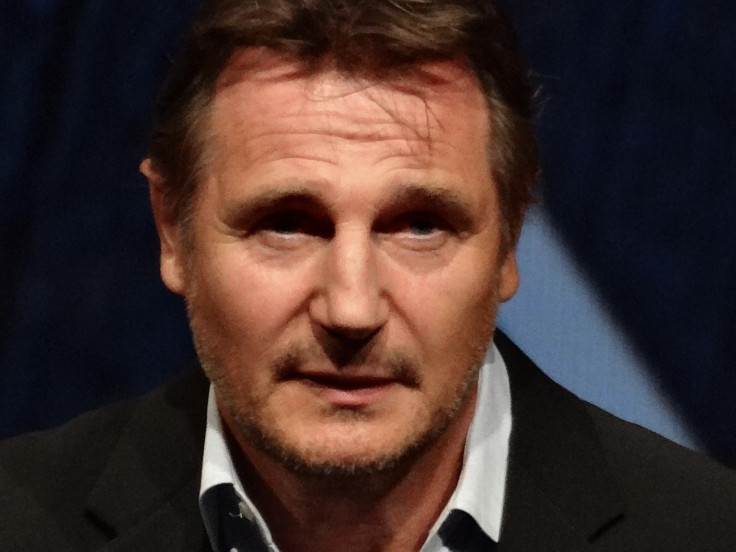
The Toxic Cloud of Conspiracy: Why Robert F. Kennedy Jr.'s Role Puts Liam Neeson In A Political Firestorm
The most significant element transforming this story from a celebrity blunder to a political scandal is the prominent appearance of Robert F. Kennedy Jr. He features throughout the production, vehemently attacking established vaccine safety rules and criticising the former head of the US National Institute of Allergy and Infectious Diseases, Anthony Fauci.
Kennedy's role is made acutely relevant by his current position: he is now serving as Donald Trump's US Secretary of Health and Human Services.
The sight of the man responsible for the American public health system promoting discredited anti-vaccine theories in a film narrated by a major A-list star has ignited an international political firestorm. His presence in the documentary, combined with the authoritative narration of Liam Neeson, creates a powerful, though deeply misleading, echo chamber for these dangerous ideas.
For Neeson, a man known for his dramatic yet contained onscreen roles, this moment represents a loss of control over his own image and message.
He may not have intended to endorse the anti-vaccine movement, but by lending his voice—a voice that criticises lockdowns and questions public health policy—to a platform built on discredited science, he has, intentionally or not, become one of its most potent weapons.
The controversy serves as a stark warning to celebrities about the moral responsibility that comes with their unique glamour and the profound dangers of providing an unfiltered microphone to misinformation.
The controversy surrounding Plague of Corruption and the public health warnings it dismisses highlight a critical new responsibility for high-profile figures. While Liam Neeson's representatives insist his voice was hired labour—disconnected from the film's editorial intent—his global credibility was weaponised to legitimise dangerous misinformation. The line between professional engagement and moral endorsement has never been thinner.
© Copyright IBTimes 2026. All rights reserved.