

The Winds Of Winter Delayed: How Brandon Sanderson's Tactic Can Solve George R.R. Martin's Stall Ire
Brandon Sanderson's transparent update model is the key to solving George R.R. Martin's The Winds of Winter delay crisis.
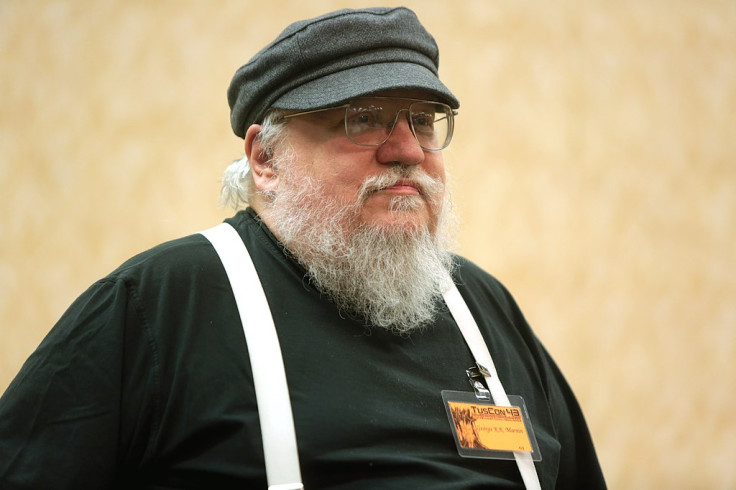
The wait for The Winds of Winter has stopped being a running joke and started feeling like a genuine betrayal to millions of readers. For years, the global fanbase of George R.R. Martin's epic A Song of Ice and Fire series has waited, politely at first, then anxiously, and finally, with growing resentment, for the penultimate novel.
The relationship between author and reader, once built on mutual admiration, has been severely strained by silence, missed deadlines, and a profound sense of being 'sidelined' from the creative process.
In the cut-throat world of fantasy publishing, where reader patience is finite, this lack of communication is now seen as the ultimate strategic blunder. And there is another literary titan who proves it: Brandon Sanderson.
He is the author who has successfully built a fiercely loyal following precisely by treating his audience as partners, rather than merely consumers. His contrasting approach offers Martin a crucial lesson in fan service, demonstrating how even a simple progress bar can help win back the affection that the King of Westeros is rapidly losing.

The Long Shadow of The Winds Of Winter: Can Martin Win Back Faith?
George R.R. Martin's impact on popular culture is undeniable. His A Song of Ice and Fire novel series brought to life the critically acclaimed HBO series, Game of Thrones, and the success continues with the prequel House of the Dragon, inspired by his novel Fire & Blood, and the upcoming A Knight of the Seven Kingdoms, also based on his writings. He is a literary legend whose name is synonymous with epic fantasy.
Yet, that legend is currently shadowed by the controversy surrounding The Winds of Winter. The novel, which is the long-awaited next chapter in the main series, has become a symbol of unfulfilled promise.
Martin has been unable to meet deadlines, and his declining enthusiasm for regular updates and his reluctance to make any promises regarding publication dates has effectively stretched the relationship between the author and his most loyal devotees to breaking point.
This lack of transparency has understandably drawn the ire of those who once cheered him on. Fans, who were once happy to speculate about Westeros, now feel locked out of the creative timeline.
As the source notes, this fallout has consequently affected his work as he looks to get the novel through, presumably by adding unnecessary pressure or distracting him from the writing process itself. For a fanbase that feels emotionally invested in the fate of characters like Jon Snow and Daenerys Targaryen, being kept completely in the dark has transformed excitement into cynical fatigue.
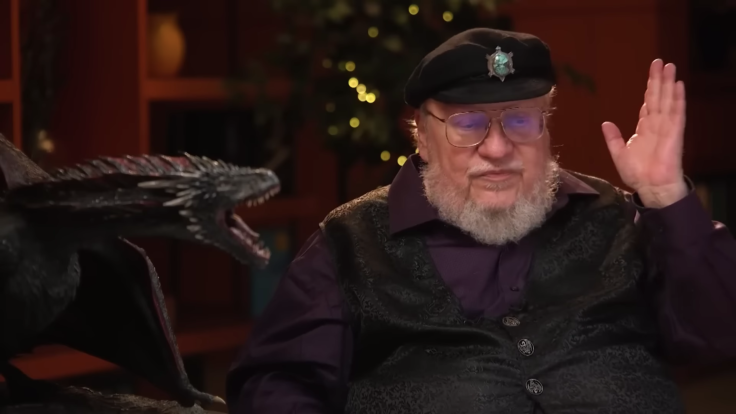
The Open Book: A Lesson in Fan Service for The Winds Of Winter Author
In stark contrast to the closed-door policy adopted by Martin, his contemporary, Brandon Sanderson, practices radical transparency. Sanderson's body of work—which includes sprawling series like The Stormlight Archive—also requires years of dedication and focus, yet he has found a way to manage expectations with surgical precision.
Aptly employing the power of technology, Sanderson keeps his readers engaged with the progress he is making on his eagerly anticipated novels. His approach is simple and technologically savvy: via his website, Sanderson posts regular updates for fans to engage with as he works his way through these eagerly anticipated novels.
This is not just a vague blog post; it is a thorough, behind-the-scenes progress report that includes charts, annual roundups, discussions on various related subjects, and effective fan engagement through Instagram posts as well.
Sanderson spoke openly about his decision to explore this communicative tactic in The Bookseller, detailing the motivation that drove this engagement strategy. He explained:
'I grew up in an era where I never knew when new books were coming out... and so when I broke in one of the things I wanted to do was use the internet, which was relatively new [at the time]. I realised: Hey, maybe my fans, if I'm lucky to have them, won't have to be in the dark like I was.'
This simple, empathetic recognition of the reader's frustration has paid off, cultivating one of the most dedicated and supportive readerships in modern publishing.
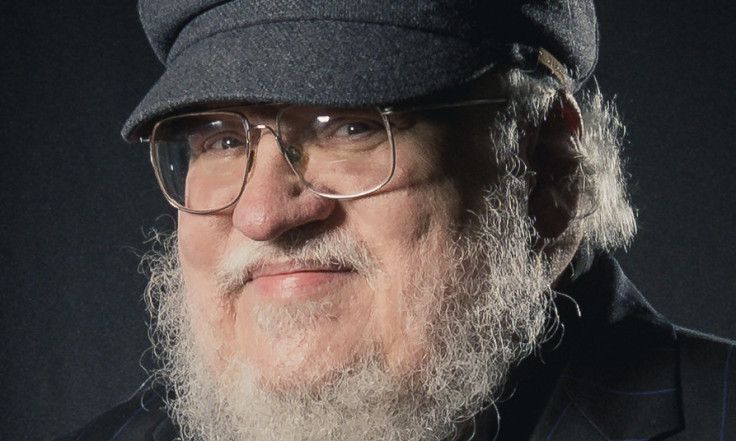
For Martin, who now faces the prospect of his fanbase falling by the wayside, the solution is right there in front of him. It is not too late for him to repair the relationship. The author can yet get his fans onside once more by giving the blog updates and interviews he once employed, and that which has consistently worked for Sanderson.
By offering even a limited, structured glimpse into the progress of The Winds of Winter, Martin could convert frustration back into anticipation, proving that even a legendary writer must sometimes heed the counsel of his fans.
The ultimate fate of A Song of Ice and Fire may not just rest on George R.R. Martin's writing hand, but on his willingness to communicate. Brandon Sanderson's success proves that transparency is the most powerful tool for an author in the digital age, capable of converting years of frustration into fresh anticipation.
By adopting a model of regular, low-stakes communication—even a simple, structured progress bar like Sanderson's—Martin could alleviate the crushing pressure of the 'big announcement' and rebuild the vital trust lost to years of silence.
© Copyright IBTimes 2026. All rights reserved.