

Karoline Leavitt's Relative ICE Release Draws Backlash As 'She Gets Due Process', Others Do Not
The £1,125 ($1,500) bond and the government's non-opposition expose disparities in who secures hearings, representation and relief.

The release of a relative of White House press secretary Karoline Leavitt from Immigration and Customs Enforcement (ICE) custody has ignited fierce debate over who truly receives due process in America's immigration system.
Advocates argue that Bruna Caroline Ferreira, a 33-year-old Brazilian national living in Massachusetts, benefited from resources, visibility and legal access that most detainees can only dream of.
A judge ordered the release on bond approval granted swiftly and without government opposition.
She was arrested by ICE on 12 November and transferred to the South Louisiana ICE Processing Centre in Basile, more than 1,500 miles from her home.
On 8 December, an immigration judge granted her release on a minimum cash bond of £1,125 ($1,500), after the government declined to contest the motion, a sequence of events that lawyers, advocates and relatives say contrasts sharply with thousands of lower-profile cases in which detainees are denied bond, shuffled far from family and deported without meaningful chance to contest removal.
Judge Grants Bond After Government Declines To Contest
Ferreira's attorney, Todd Pomerleau, told reporters that the government 'stipulated' to the defence argument that she posed neither a danger nor a flight risk, and waived any appeal — effectively clearing the way for her immediate release once bond was posted.
The Department of Homeland Security (DHS) had earlier described Ferreira as a 'criminal illegal alien' who overstayed a B-2 visa and had a prior battery arrest, statements her lawyer disputes. The immigration judge's order returns Ferreira to the community while her removal proceedings continue; it does not end the case.
But the way the government handled Ferreira's case, moving her thousands of miles, then declining to oppose the bond, has attracted sharp attention precisely because the administration's public statements painted a different picture.
Ferreira and her lawyers say the 'criminal' label is misleading: the only incident cited appears to be a juvenile altercation that did not produce a conviction. The government's public characterisation, critics say, helped to shape early media narratives even as the court record told a different story.

Disparities In Access To Due Process
Immigration advocates say Ferreira's outcome highlights how access to lawyers, family support and publicity shape who gets a hearing that results in release and who does not. Nationwide, representation and resources remain the strongest predictors of avoiding removal: public data and research show that people with lawyers are far more likely to win relief or secure bond than those without, yet most respondents in removal proceedings lack counsel.
In recent aggregate reporting, representation rates and case outcomes indicate a persistent gap: large numbers of detained migrants face removal while unrepresented and unable to navigate bond hearings or complex relief options.
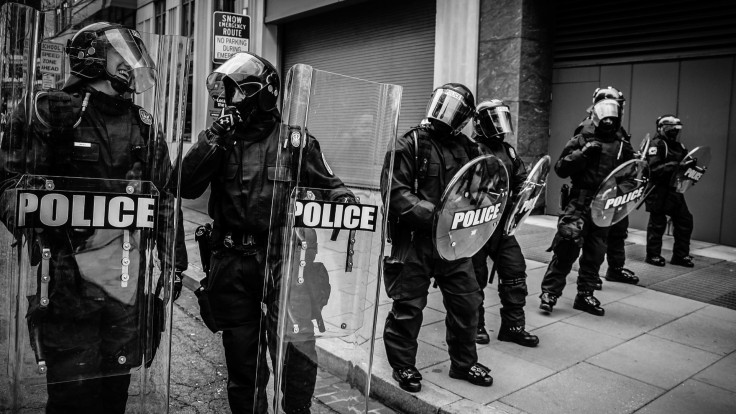
Remote transfers to isolated southern facilities, a practice documented by human-rights groups and court filings, also skew outcomes. Detainees moved hundreds or thousands of miles away, lost the ability to meet local pro bono lawyers, gather community-based evidence, and have family attend hearings.
Human Rights Watch and other NGOs have repeatedly warned that long transfers create a 'due-process desert' where effective defence is all but impossible. Ferreira's lawyers described precisely the opposite process: legal advocacy in court, contested legal assertions by DHS, and, crucially, the government's decision not to press the issue. That combination, advocates note, is rarely available to people without a degree of public profile or swift legal mobilisation.
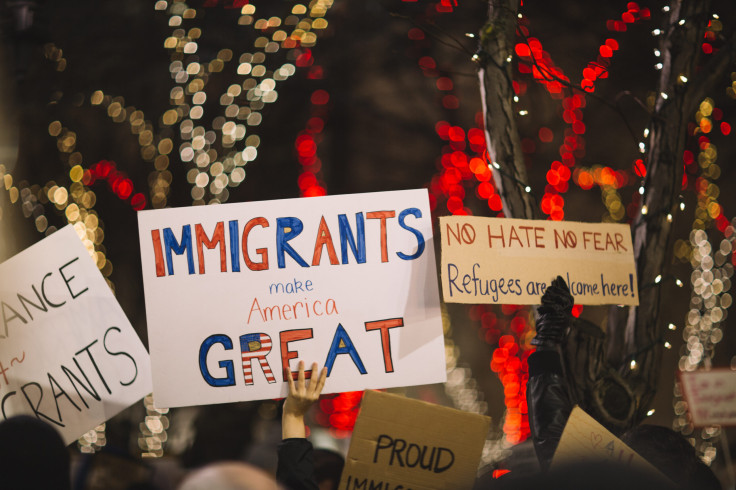
Statutes and recent Board of Immigration Appeals decisions have also narrowed judges' bond authority in specific categories of cases, increasing the number of detainees held without meaningful opportunities for release, even when they have strong community ties.
Lawyers point to new case law and policy shifts that, since 2024–2025, have made bond harder to secure for many, compounding the practical inequality between high-attention cases and the vast majority of detained people.
Allegations Of Preferential Treatment
The optics of Ferreira's release have provoked political heat. Critics argue that a relative of a powerful White House official received, in effect, the benefits of speedy legal intervention and non-opposition from the government, privileges that are unavailable to most detained immigrants.
Supporters of the administration counter that bond decisions are judicial and routine, and that Ferreira's release reflects the law's balancing of risk and liberty.
The White House has sought to distance Karoline Leavitt from the matter; spokespeople said the press secretary had not been in contact for years. Ferreira's own account, corroborated in part by family photographs and prior reporting, says otherwise.
© Copyright IBTimes 2026. All rights reserved.
- MOST POPULAR IN World


