

What Is a Tuey-Rodriguez Instruction? The Last-Resort Jury Charge That Could Decide Lindsay Clancy's Fate
Massachusetts mother's trial faces potential mistrial as jury remains deadlocked despite judge's intervention
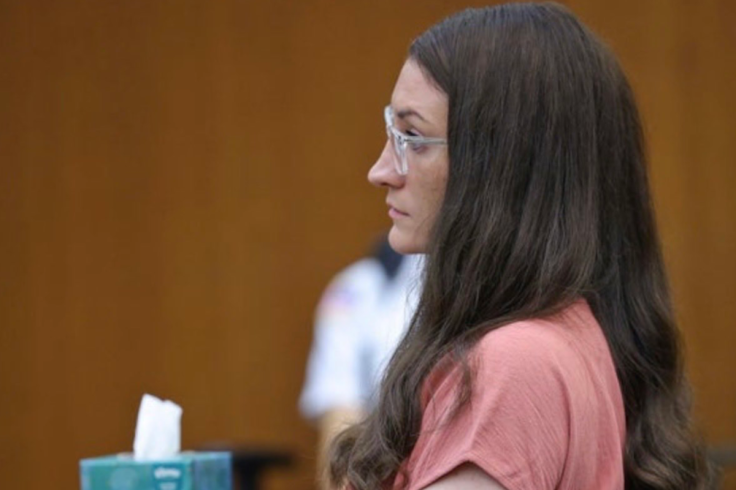
Lindsay Clancy's murder trial is edging towards a possible mistrial after jurors remained deadlocked for a sixth day, even after receiving a rare Tuey‑Rodriguez instruction urging them to reach a unanimous verdict.
The charge, sometimes used as a last resort in Massachusetts courts, is designed to help break deadlocks without pressuring jurors to abandon sincerely held views.
The 12 jurors have spent more than 30 hours weighing whether Clancy was criminally responsible for killing her three young children, leaving Judge William Sullivan facing the possibility that the trial could end without a verdict.
Why the Judge Issued the Unusual Instruction
Clancy's jury entered its sixth day of deliberations on Thursday, September 3, after spending close to 30 hours weighing the evidence presented during the six‑week trial. The prolonged deliberations have raised the prospect of a hung jury and a possible mistrial, making the judge's intervention particularly significant.
The Tuey‑Rodriguez instruction does not tell jurors which verdict to reach. Instead, it encourages them to listen carefully to their fellow jurors, reconsider their own conclusions and attempt to reach a unanimous decision where they can do so honestly. Importantly, jurors are not required to abandon a sincerely held belief simply to produce a verdict.
NBC 10 Legal Analyst Austin Dana described the instruction as a more forceful message to a jury that has already struggled to agree. The underlying message, he explained, is that the current jury is the group entrusted with deciding the case and should not simply assume another jury would be better placed to do so.
What Happens if They Still Cannot Agree?
If the jurors remain deadlocked after being sent back to deliberate, Judge Sullivan could ultimately declare a mistrial if he concludes that further discussions are unlikely to produce a result.
Dana said he believes that outcome is becoming increasingly likely, given both the length of the deliberations and the sharply different conclusions jurors must consider.
A mistrial would not mean Clancy had been found innocent or guilty. Instead, the current proceedings would end without a verdict, leaving prosecutors to decide whether to pursue the case again.
Why Clancy's Case Is So Complicated
Clancy faces three murder counts stemming from the January 2023 deaths of her children, five‑year‑old Cora, three‑year‑old Dawson and eight‑month‑old Callan. The jury must consider whether prosecutors proved first‑degree murder, second‑degree murder or manslaughter for each death.
At the same time, jurors are weighing the defence argument that Clancy was suffering from severe mental illness, including postpartum psychosis, and should therefore be found not guilty by reason of a lack of criminal responsibility.
Prosecutors must prove beyond a reasonable doubt that Clancy was criminally responsible for her actions. That combination of multiple charges, possible verdicts and conflicting evidence about Clancy's mental state has made the jury's task particularly difficult.
A Second Trial Could Follow a Mistrial
If the jury ultimately cannot reach a verdict, the case could take another turn. Clancy's defence attorney, Kevin Reddington, has indicated that he would like any retrial to begin as soon as possible.
Dana suggested that pushing for a rapid second trial could also place pressure on prosecutors to decide whether to retry Clancy, negotiate a plea or abandon the case. Legal analysts have said a retrial would be a likely option given the seriousness of the allegations.
For now, however, the jury remains tasked with reaching a verdict. The Tuey‑Rodriguez instruction represents the judge's latest effort to ensure that jurors exhaust their ability to resolve the case before a mistrial becomes unavoidable.
© Copyright IBTimes 2026. All rights reserved.