

Bolsonaro Falls, Vučić Faces the End of His Rule and Machado Returns to Venezuela in Global Political Shock
Sunday brought Lula a fourth term, a Serbian opposition breakthrough and Venezuelan opposition leader Machado's return from exile
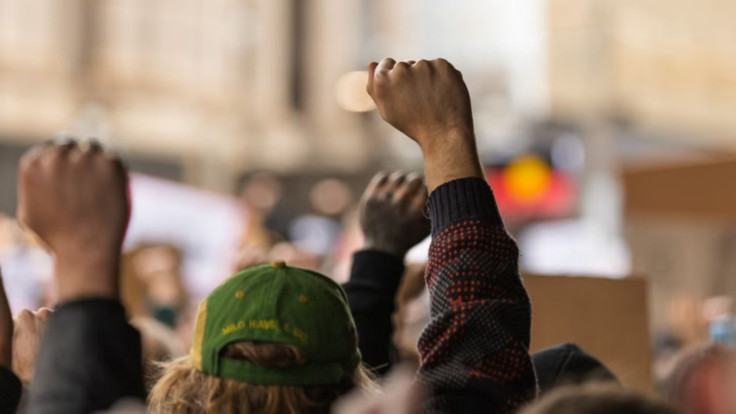
Three major political developments unfolded across Brazil, Serbia and Venezuela on Sunday, 25 October 2026, as Luiz Inácio Lula da Silva defeated Flávio Bolsonaro, former Serbian President Aleksandar Vučić acknowledged his political camp's parliamentary election defeat and Venezuelan opposition leader María Corina Machado returned from exile.
The events marked a dramatic day for three countries facing questions about political leadership, democratic institutions and the future of their governments.
Bolsonaro Rejects Lula's Election Comeback
Brazilian President Lula secured an unprecedented fourth term after defeating Senator Flávio Bolsonaro, son of former president Jair Bolsonaro, in Sunday's presidential run-off.
Brazil's Superior Electoral Court confirmed that Lula received 51.79% of valid votes, compared with Bolsonaro's 48.21%, a margin of approximately 4.43 million votes. The result represented a remarkable reversal after Bolsonaro finished ahead of Lula in the first round earlier in October.
However, Bolsonaro refused to concede and announced plans to seek annulment of the election, citing controversy over a Supreme Court decision extending voting hours. The extension followed complaints about transport difficulties and severe weather affecting voters. Election authorities nevertheless confirmed Lula's victory.
The result also marked another defeat for the Bolsonaro political movement, although Jair Bolsonaro himself was not a candidate in Sunday's election.
Serbian Students End Vučić's Political Dominance
In Serbia, former President Aleksandar Vučić acknowledged defeat after a student-backed electoral movement secured a historic parliamentary victory.
The opposition movement emerged from demonstrations following the November 2024 collapse of a railway station canopy in Novi Sad, which killed 16 people. The tragedy sparked widespread protests over alleged corruption, government accountability and concerns about democratic freedoms.
Vučić, who dominated Serbian politics for more than a decade before resigning in September 2026, conceded that the Student List had won the election. Preliminary projections suggested the movement would secure between 135 and 140 seats in Serbia's 250-member parliament, compared with approximately 105 for Vučić's political camp.
Thousands celebrated in Belgrade following his announcement, while the incoming parliamentary majority faced questions about its leadership and governing programme.
The outcome signals a significant transfer of political power, although the formation of a new government remains unfinished.
Machado Returns to a Changed Venezuela
Meanwhile, Venezuelan opposition leader María Corina Machado returned home after nearly a year abroad, drawing thousands of supporters into the streets. Machado appeared in Barquisimeto before travelling towards Caracas, where crowds waved Venezuelan flags and celebrated her unexpected return.
Her arrival follows the capture of former president Nicolás Maduro during a US military operation earlier this year. However, Venezuela remains under interim President Delcy Rodríguez, whose administration has engaged in Washington-backed transition negotiations.
Despite promises of fresh elections, authorities have not announced a voting date. Machado's political allies are calling for elections in 2027 and want her permitted to stand as a candidate.
Three Political Shocks, Different Outcomes
Although Sunday's developments unfolded thousands of miles apart, each raised questions about political legitimacy, electoral accountability and democratic change.
Brazil confirmed an incumbent president's victory despite his opponent's objections. Serbia witnessed an electoral breakthrough by a movement born from mass demonstrations.
Venezuela, meanwhile, welcomed home a prominent opposition figure without completing its promised democratic transition.
The contrast underscores how elections, protests and political returns can reshape national politics without necessarily resolving deeper institutional disputes.
© Copyright IBTimes 2026. All rights reserved.