Think It's A Party Invite? New Phishing Scam Uses FOMO to Steal Your Passwords
Fake party invitation scams exploit FOMO to steal data or install malware, experts urge verifying invites and enabling multi-factor authentication
A new phishing scam is exploiting one of the most powerful human instincts, fear of missing out (FOMO), by disguising malicious emails as friendly party invitations.
Cybersecurity experts warn that these seemingly harmless messages, often styled as digital invites from trusted platforms, are increasingly being used to trick users into handing over sensitive data or installing harmful software.
A Scam Disguised As A Social Invitation
The scam typically arrives as an email or message that appears to be a party or event invitation, sometimes impersonating well-known services such as Evite or Punchbowl.
According to reports, the messages are designed to look casual and familiar, often appearing to come from a friend or acquaintance.
Victims are prompted to click a link to 'view the invitation' or RSVP. However, instead of leading to event details, the link redirects users to malicious websites or triggers hidden downloads.
One cybersecurity breakdown notes that the emails are intentionally 'informal and social', which lowers suspicion and encourages quick action.
How The Attack Works
Once a user clicks on the link, the scam typically follows one of two paths:
Credential Harvesting
In some cases, users are directed to a fake login page that mimics a legitimate email service. They are asked to enter their credentials to access the invitation.
Once entered, attackers capture those details, giving them access to the victim's email account and, potentially, other linked services.
Experts warn that an email account can be the 'keys to your whole life,' as password resets for banking, social media, and other platforms are often routed through it.
Malware Installation
In other cases, clicking the link initiates the download of malicious software disguised as part of the invitation.
Security researchers have found that some scams install remote access tools in the background, allowing attackers to monitor activity, access files, and even control the device without the user's knowledge.
Why FOMO Makes This Scam So Effective
Unlike traditional phishing attempts that rely on fear or urgency, such as warnings about account breaches, this scam uses a more subtle psychological trigger: excitement.
The idea of being invited to a social event creates a positive emotional response, making users less cautious.
As one cybersecurity expert explained, scammers are increasingly using 'positive lures' rather than threats, as people have become more aware of classic phishing tactics.
This shift makes the scam harder to detect, as it does not fit the typical profile of a suspicious message.
How The Scam Spreads
Once a victim's email account is compromised, attackers often use it to send similar invitations to contacts, making the scam appear even more legitimate.
Because the messages come from a trusted source, recipients are more likely to engage, allowing the attack to spread rapidly through social networks.
According to cybersecurity data, such scams can escalate quickly, with a single compromised account potentially exposing dozens of others.
Real-World Impact
The consequences of falling for the scam can be severe.
Victims may lose access to personal accounts, have sensitive data stolen, or face financial loss if attackers gain access to banking or payment platforms.
Recent reports indicate that phishing and related cybercrimes continue to cause billions in losses globally, highlighting the growing sophistication of such attacks.
How To Protect Yourself
Experts recommend several steps to reduce the risk of falling victim to these scams:
- Verify invitations independently: If you receive an unexpected invite, confirm it through another channel, such as a phone call or message.
- Avoid clicking unfamiliar links: Even if the message appears to come from someone you know.
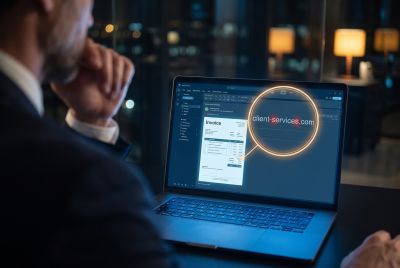
- Check the sender's email address carefully: Look for subtle inconsistencies or unusual domains.
- Use strong, unique passwords: Avoid reusing the same password across multiple accounts.
- Enable multi-factor authentication (MFA): This adds an extra layer of security even if your password is compromised.
A Growing Evolution In Phishing Tactics
The rise of fake party invitation scams reflects a broader shift in cybercrime tactics.
Rather than relying solely on fear-based messaging, attackers are now leveraging social behaviour and emotional triggers to bypass scepticism.
By mimicking everyday interactions, such as receiving an invitation from a friend, these scams blur the line between legitimate communication and malicious intent.
What appears to be a harmless party invitation could, in reality, be a gateway to account theft and financial loss.
As phishing tactics evolve, experts warn that vigilance is more important than ever. The key lesson is simple: even the most friendly-looking message deserves a second look before you click.
In an era where digital trust can be easily exploited, staying cautious may be the difference between a harmless email and a costly mistake.
© Copyright IBTimes 2026. All rights reserved.
- Recommended For You