ICE Facial Recognition Tech: How US Citizens are Being Wrongly Targeted
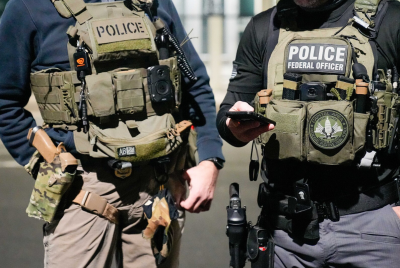
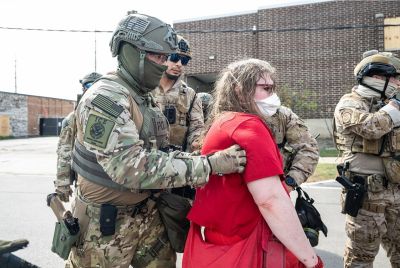
ICE and CBP facial recognition checks often target individuals like Gutiérrez, who believes his Mexican background led to unjustified profiling amid officers' dismissive laughter

Heading home from a Chicago gym one morning, 23-year-old Jesus Gutiérrez spotted a grey Cadillac SUV that didn't have any number plates. He didn't think much of it and carried on walking until the vehicle suddenly cut him off.
Two men climbed out, identifying themselves as federal immigration agents and ordering him not to move. They immediately began an intense interrogation, grilling Gutiérrez on his whereabouts, where he had been, and if he had his ID on him.
Despite being a US citizen, Gutiérrez found his protests ignored by the officers. He didn't have his physical ID at hand, so he frantically searched his mobile for a digital copy as the situation escalated. Ignoring his efforts to prove his status, the agents shoved him into the car with two other officers and secured his wrists in handcuffs. He was ordered to stay in his seat and remain silent.
Wrongful Detention on Chicago Streets
Since Gutiérrez lacked physical identification, the agents tried a different tactic by taking a photo of his face. It didn't take long for the results to come back and change the tone of the encounter. Gutiérrez remembered the agents admitting they had it wrong, stating, 'Oh yeah, he's right. He's saying the right thing. He does got papers.'
The ordeal Gutiérrez shared with Reveal offers a glimpse into a broader operation that federal officials have now admitted to 404 Media. Across the nation, authorities are using facial recognition software to instantly pull up personal profiles.
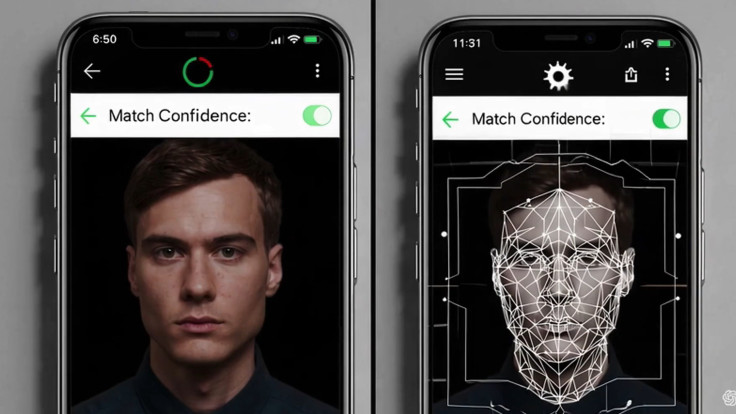
With a quick scan of a person's features, the app retrieves their full name, birth date, and—for immigrants—their 'alien number' and any existing deportation orders.
MOBILE FORTIFY
— Meidas_Charise Lee (@charise_lee) January 21, 2026
While the government owns and deploys the app, the specific private contractor or developer who built the software code remains unknown to the public. Reports indicate that details regarding its parent company or technical origin have been obscured.‼️ pic.twitter.com/cmwT6b7Dae
Leaked internal emails from Immigration and Customs Enforcement, previously uncovered by 404 Media, have shed light on the agency's proprietary facial recognition tool, Mobile Fortify. This evidence, alongside a collection of social media footage, shows agents actively using the software to run biometric checks on individuals to determine their legal status.
The Rise of Mobile Fortify
To confirm his status, Gutiérrez provided Reveal with a copy of his passport. After the officers scanned his features, he recalled challenging them by saying, 'You just grabbing, like, random people, dude.'
The agents eventually released Gutiérrez after driving him around for about an hour. The encounter left him so shaken that he stayed indoors for days, skipping even his gym sessions. Reflecting on the ordeal, he told his father he felt as though he 'got kidnapped'.
'This is a flagrant violation of rights and incompatible with a free society," said Nathan Freed Wessler, deputy project director for the ACLU's Speech, Privacy, and Technology Project. "Immigration agents have no business scanning our faces with this glitchy, privacy-destroying technology—especially after often stopping people based on nothing more than the color of their skin or the neighborhood they live in.'
ICE agents are using a facial recognition app called Mobile Fortify to find people’s immigration status.
— Al Jazeera English (@AJEnglish) February 13, 2026
Al Jazeera’s Linh Nguyen explains how this tool has effectively turned the US into a checkpoint society. pic.twitter.com/OcHnCgX0CT
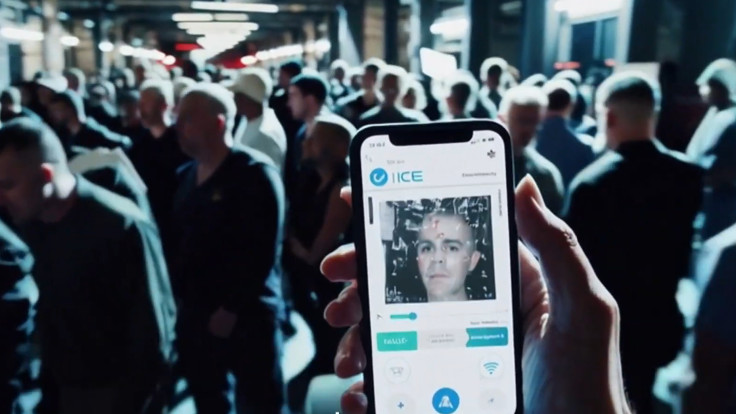
ICE and Customs and Border Protection staff have Mobile Fortify installed directly on their government-issued handsets. Once an official captures a person's image, the software searches through a vast array of federal records. According to user guides reviewed by 404 Media, this includes FBI files and systems that track active state warrants. Internal ICE documents indicate the application matches faces against a staggering collection of 200 million stored images.
Privacy Risks to US Citizens
'The photograph shown [in the app's results] is the photograph that was taken during the individual's most recent encounter with CBP, however the matching will be against all pictures CBP may maintain on the individual,' an internal Department of Homeland Security document stated. This application effectively pivots a system designed for screening international travellers at the border and directs it inward, targeting individuals on American streets.
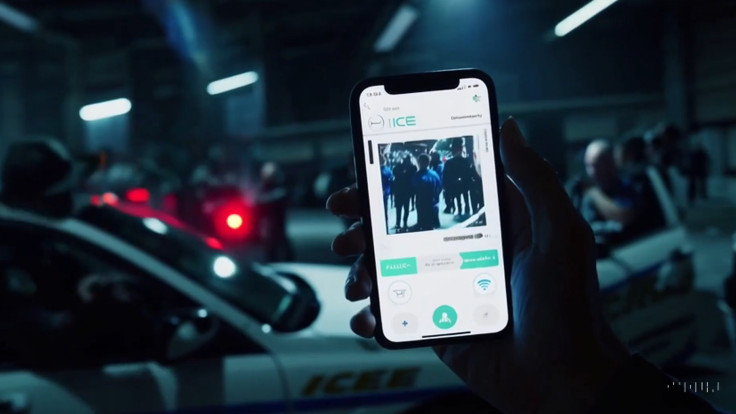
According to internal documentation, the primary purpose of Mobile Fortify is to help immigration officials identify individuals eligible for deportation. However, the files openly acknowledge that the technology might be turned against US citizens, much like what happened to Gutiérrez.
'It is conceivable that a photo taken by an agent using the Mobile Fortify mobile application could be that of someone other than an alien, including U.S. citizens or lawful permanent residents,' the document reads.
Biometrics Over Legal Documentation
Representative Bennie G. Thompson, the leading Democrat on the House Homeland Security Committee, has warned that ICE is placing more weight on app results than on physical birth certificates. Speaking previously to 404 Media, he indicated that officials are likely to trust the software's findings over hard-copy evidence of a person's legal status.
Investigation by 404 Media has uncovered further cases where ICE and CBP staff utilised facial recognition software to check the identity and legal status of individuals. In the specific instance involving Gutiérrez, there appears to be no clear justification for the stop other than his physical appearance. Being of Mexican heritage, he believes his background was the sole reason he was singled out by the agents.
Gutiérrez recalled that as the ordeal drew to a close, the atmosphere inside the vehicle remained lighthearted for the officers. Even as he sat there awaiting his release, he noted that the agents were laughing among themselves.
© Copyright IBTimes 2026. All rights reserved.
- Recommended For You