

Mark Zuckerberg's Biggest Legal Nightmare Yet? The Meta Battle That Could Cost $1.4T
Meta faces multiple lawsuits over social media's impact on youth and prioritizing profits over safety
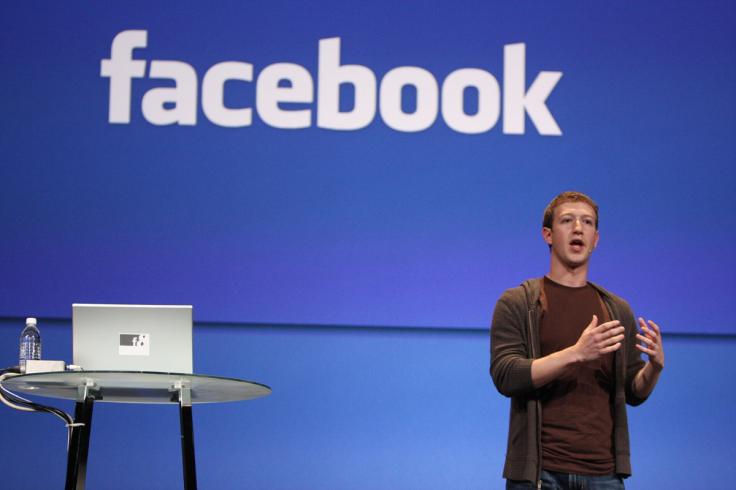
Meta is preparing for a high-stakes courtroom showdown that may have far-reaching consequences for the social media giant. The case centres on a lawsuit filed by four US states, which claim that the company deliberately designed Facebook and Instagram to be addictive for younger users while minimising concerns over their safety.
According to a recent court filing, Meta could face penalties of up to $1.4T if the states win the case. The staggering sum is almost equal to the company's market value, making it one of the biggest potential consumer-protection sanctions in US history. The tech company argued that the proposed penalty is excessive, stating that 'a sanction of that size has no analogue in the history of consumer protection enforcement.'
What the States Are Alleging
Meta heads to court on 18 August to fight allegations from four states, California, Colorado, Kentucky, and New Jersey, over claims that the company's social media platforms encouraged compulsive use among children and teenagers. Estimated penalties could reach up to $1.4T after prosecutors calculated the fines based on the estimated number of affected children. On the other hand, Meta says this figure is overstated because some users were counted more than once.
The trial is set to start on 18 August in federal court in Oakland, California. It will also examine claims from 29 states that Meta breached the federal Children's Online Privacy Protection Act (COPPA) by collecting children's data without proper parental consent.
Judge Yvonne Gonzalez Rogers recently rejected Meta's request to delay the case, ruling that key questions remain over whether Meta's platforms are addictive, whether it misled the public about their design, and whether it targeted children.
Meta Pushes Back Against the Allegations
Meta has consistently denied all the allegations, arguing that 'social media addiction' isn't an officially recognised psychiatric diagnosis. Thus, the company's previous statements rejecting claims that Facebook and Instagram are addictive can't be considered misleading.
It also contends that the states are asking for penalties that go beyond the lawsuit itself. In court filings, Facebook's parent company described the proposed damages as 'outlandish' and 'unsubstantiated', arguing that some claims involve features protected by Section 230 of the Communications Act and that the proposed penalties have very little legal precedent and would violate due process rights.
A Wider Crackdown on Big Tech
The August trial is just one of the several court cases Meta is facing. The social media giant is also scheduled to face additional trials in other states next year, with a separate trial set for February. Beyond that, it is also defending itself from more than 2,400 lawsuits from parents, school districts, and government agencies over claims that social media platforms contributed to mental health problems in children and teenagers.
Rob Bonta, the California Attorney General, has accused the company of putting profits ahead of children's safety. A spokesperson from Bonta's office said that 'our lawsuit alleges Meta has prioritised profits over the safety of kids and fuelled the mental health crisis we see impacting a generation of American children.'
Meta isn't the only company under pressure. Snap Inc., YouTube, and TikTok are also facing similar lawsuits alleging that their platforms were designed to keep young users hooked.
The Stakes Go Beyond Money
While the $1.4T penalty has grabbed headlines, legal experts believe that the final damages will be much lower. However, the case could have a lasting impact. If the states win, it will force Meta and other social media companies to rethink how to design their platforms, especially for younger users.
For CEO Mark Zuckerberg, the lawsuit could be one of the most consequential legal battles in Meta's history and one that may reshape the company's future for years to come.
© Copyright IBTimes 2026. All rights reserved.