

Meta Buried Research Linking Instagram To Teen Harm While Facing $1.4 Trillion Penalty That Could Erase Its Entire Worth
Meta denies claims of suppressing research showing Facebook's negative impact on mental health amid massive legal penalties.
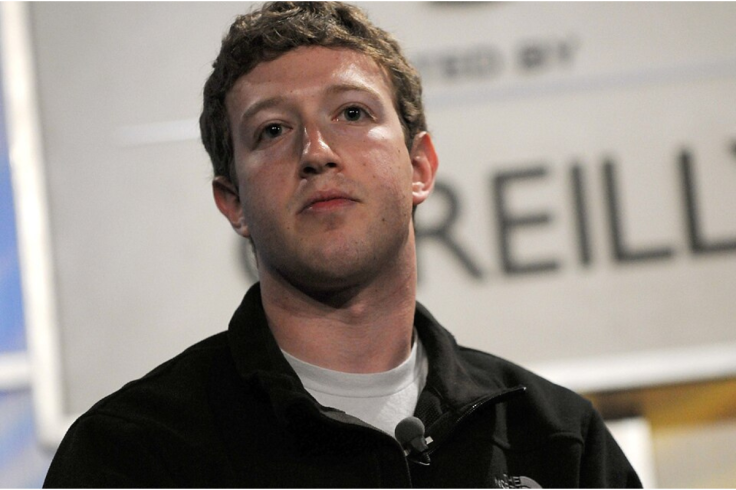
Meta stands accused in court of shutting down its own study after it found that quitting Facebook made people less depressed, just as the company reveals it could face a penalty large enough to wipe out its entire market value.
The technology giant disclosed in a court filing on 6 July 2026 that four American states are seeking as much as £1.05 trillion ($1.4 trillion) in penalties over claims it designed Facebook and Instagram to addict young users. That figure sits perilously close to Meta's total stock market worth of roughly £1.12 trillion ($1.5 trillion).
The demand came months after separate court documents alleged the company had quietly killed internal research proving its platforms harmed mental health, a claim Meta firmly denies.
The Deactivation Study Meta Allegedly Shelved
The buried-research claim centres on a 2020 project code-named Project Mercury, detailed in an unsealed brief in November 2025. Meta scientists worked with the survey firm Nielsen to measure what happened when people switched off Facebook and Instagram, according to internal documents obtained through legal discovery.
The results were not what the company wanted. People who stopped using Facebook for a week reported lower feelings of depression, anxiety, loneliness, and social comparison, the internal documents said. Rather than publishing the findings or digging deeper, the filing alleges, Meta halted the work and told itself the negative results had been tainted by the 'existing media narrative' surrounding the firm.
Behind closed doors, staff appeared to take the science seriously. One researcher wrote that 'the Nielsen study does show causal impact on social comparison,' according to the brief, and another allegedly asked whether staying silent would make Meta look like tobacco companies that hid what they knew.
The plaintiffs claim that despite this internal knowledge, Meta later told Congress it could not quantify whether its products were harmful to teenage girls, an assertion that forms the heart of the accusation that the company misled lawmakers and the public alike.
Meta's Firm Denial and the Sealing Battle
Meta has pushed back hard, and its response deserves equal weight because none of these claims has been tested at trial. Company spokesman Andy Stone said the allegations 'rely on cherry-picked quotes and misinformed opinions in an attempt to present a deliberately misleading picture,' insisting the full record would show a decade of genuine work to protect teenagers.
Stone argued the deactivation study was stopped precisely because its method was flawed, not because its findings were inconvenient. In a series of posts on X, he said the highlighted portion was only a 'pilot' within a larger, multi-tiered piece of research, and that the pilot simply found that 'people who believed using Facebook was bad for them felt better when they stopped using it.' That, he said, revealed nothing reliable about the platform's real effect.
The study found people who believed using Facebook was bad for them felt better when they stopped. This is an "expectation effect," when beliefs and expectations influence perception. There's lots of research out there that finds the same - and that expectation effects are real.
— Andy Stone (@andymstone) November 24, 2025
The underlying internal documents remain largely out of public view. Meta has moved to strike them and is contesting how much should be unsealed, and a hearing on the matter has been scheduled in the Northern District of California. The company frames its objection as a concern about the overbroad scope of what the plaintiffs want released, rather than an attempt to block disclosure entirely.
A Penalty Demand With No Precedent
The financial threat comes from a parallel strand of the same sprawling litigation. Meta revealed the $1.4 trillion figure in its response to filings by California, Colorado, Kentucky, and New Jersey on how penalties should be calculated if the states win at a trial due to open on 18 August in Oakland, as first reported by Reuters. The states reached the number by multiplying the fines set in state law by the number of alleged violations, a total driven by the sheer number of young users said to be affected.
Meta called the sum absurd, telling the court that 'a sanction of that size has no analog in the history of consumer protection enforcement.' The company denies misleading anyone, arguing there is no proof it lied about addictiveness because 'social media addiction' is not a recognised psychiatric condition, so its statements could not be false.
The stakes are not hypothetical. In March, a New Mexico jury awarded that state £281 million ($375 million) after finding Meta had misled consumers, and a Los Angeles judge separately refused to overturn a £4.5 million ($6 million) award in an addiction case, showing juries can and do turn these claims into money.
The trial before Judge Gonzalez Rogers, who last month refused Meta's bid to have the case thrown out, will fold together privacy claims from 29 states with the four states' consumer-protection case, while a further 14 states wait for a separate trial in February.
Whether a courtroom ultimately values the harm to a generation of teenagers at a sum greater than Meta itself may be the most consequential question the company has ever faced.
© Copyright IBTimes 2026. All rights reserved.