What Is Emetophobia and Why Are Netflix Viewers Warning Others About the New Lizzie Borden Episode?
The stylised oyster-poisoning sequence prompted warnings online, while the creators explained how its elaborate practical effects were filmed

Emetophobia is a recognised mental health condition and a specific phobia characterised by an intense, persistent fear of vomiting, seeing others vomit, or even feeling nauseous.
Unlike general anxiety, it is classified specifically as a phobia within the broader category of anxiety disorders, meaning the fear is focused on a particular object or situation rather than being free‑floating.
A 2025 meta-analysis estimated its point prevalence at about 5%, although estimates varied substantially between studies and populations. This suggests that while emetophobia is not among the most common phobias, it affects a meaningful minority of people.
For some, the fear can lead to significant avoidance of situations associated with vomiting, such as certain foods, public transport, hospitals, or social gatherings where illness might occur. In more severe cases, individuals may restrict their diet, avoid travel, or experience considerable distress around everyday activities.
For those viewers living with emetophobia, the graphic vomiting sequence at the start of Episode 2 of Monster: The Lizzie Borden Story proved particularly distressing.
Online discussions quickly filled with warnings, with one Reddit user describing the scene as 'an emetophobe's nightmare.' Other viewers said they felt physically sick while watching, covered their eyes, or paused and skipped through the sequence.
The reaction has prompted some viewers to call for content warnings before similar scenes in future episodes or series.
The Scene in Monster: The Lizzie Borden Story
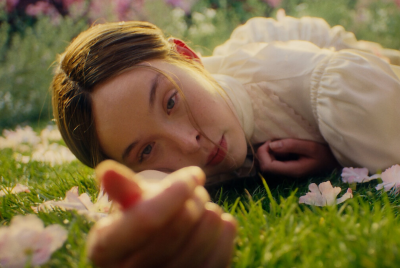
In the controversial sequence, Lizzie (Ella Beatty) and the maid Bridget, also known as Maggie (Vicky Krieps), serve spoiled oysters to Andrew (Charlie Hunnam) and Abby (Rebecca Hall) in an attempt to poison them.
The plan goes awry, triggering an extended, highly stylised sequence of projectile vomiting and diarrhoea that dominates the latter part of the episode.
The fictional poisoning plot draws loosely on historical details surrounding the Borden case, but the spoiled‑oyster episode itself is a dramatisation rather than an established historical event. Netflix's own explainer notes that the series takes Lizzie's alleged attempt to obtain prussic acid (a deadly poison) from a drugstore and transforms it into the fictionalised oyster‑soup poisoning depicted on screen.
Historical accounts do record that members of the Borden household became ill shortly before the murders in August 1892, with contemporary newspaper reports describing symptoms consistent with gastrointestinal illness. Lizzie was also accused of attempting to purchase prussic acid, a detail that features in trial testimony and has long fuelled speculation about premeditation.
However, there is no established historical evidence that Lizzie and Bridget poisoned Andrew and Abby with oysters as depicted in the series, nor that the illness was definitively caused by deliberate poisoning.
Behind the Scenes of the Vomit Scene
Director Max Winkler said that coordinating the vomiting sequence was one of the hardest things he had done during production. He said he spent hours researching theatrical vomiting in film and television, citing the now‑infamous sequence in Triangle of Sadness as a reference point and 'gold standard' for the kind of exaggerated, almost operatic effect he wanted.
The crew first completed a dry run without any vomit to choreograph the actors' movements and camera angles. They then carried out multiple tests with hidden tubes to determine the distance, volume and timing of the practical effects before filming the final take.
Winkler described wanting the sequence to have an 'Andrea Bocelli symphonic experience,' comparing the visual rhythm to a Las Vegas fountain show set to grand music, to underscore how deliberately over‑the‑top the moment was meant to feel.
Rebecca Hall said she has a 'hair trigger empathetic response' to vomiting and initially feared she might be sick for real while filming. However, once she saw how exaggerated the practical effects were, she said the sequence became so absurd that her main challenge was keeping a straight face rather than suppressing nausea.
Hunnam, who described himself as 'kind of a germaphobe,' said being covered head to toe in fake vomit and diarrhoea for the day was not an enjoyable experience, despite knowing the substances were harmless.
Ella Beatty, who plays Lizzie, noted that she was spared the worst of the mess, watching the technical spectacle from a relatively clean vantage point.
Historical Context and the Series' Approach
The scene draws on elements of the historical Borden case but substantially fictionalises them for dramatic and darkly comic effect. Historical accounts describe members of the Borden household becoming ill shortly before the murders, although the cause was disputed and never conclusively linked to poisoning.
Netflix explicitly frames the oyster‑soup sequence as a fictionalised version of the broader poison narrative that surrounds Lizzie's story.
The broader series continues to depict Lizzie's life inside the Borden family home, her relationship with Bridget 'Maggie' Sullivan, and the 1892 murders of her father and stepmother for which she was accused and later acquitted. While the show leans into speculation about motive, repression and female rage, it stops short of presenting the oyster poisoning as established fact.
Within online discussions, the scene has become a notable point of conversation among some viewers, particularly those sensitive to vomit‑related content. Reactions have been mixed, some praised the sequence's audacity and darkly comic tone, while others said they struggled to watch it or chose to skip through it entirely.
A number of posts on Reddit and other platforms urged friends to brace themselves before viewing Episode 2, though the overall scale of the reaction remains difficult to quantify.
© Copyright IBTimes 2026. All rights reserved.
- Recommended For You