Proof Of Life Or Proof Of AI? Here's Why Benjamin Netanyahu is Facing a Crisis of Authenticity
In the deepfake age, being seen alive is no longer the same thing as being believed.
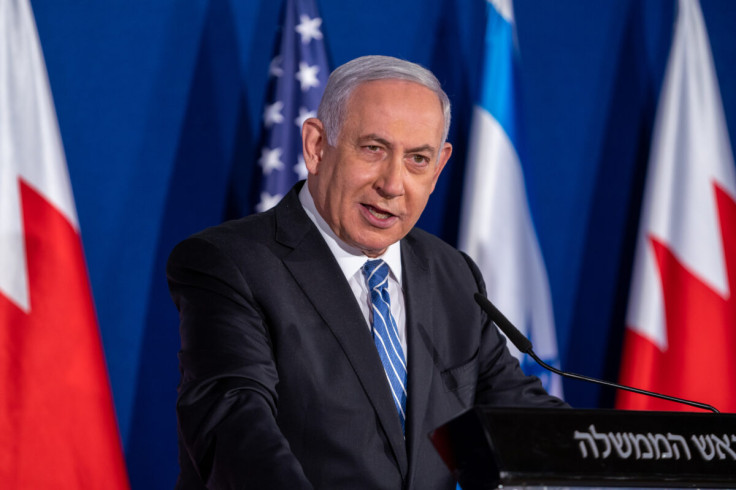
Benjamin Netanyahu is facing an unusual crisis of authenticity in Israel after false claims about his death or injury spread online in recent days and videos meant to show the Israeli prime minister alive only triggered fresh allegations that the footage itself had been manipulated. His office has rejected the rumours and said Netanyahu is 'fine', but the denials have struggled to outrun the churn of posts, clips and conspiracy claims now ricocheting across social media.
The noise built after images purporting to show Netanyahu bloodied and buried in rubble circulated online with unsupported claims that he had been killed or gravely wounded. Those posts landed at a combustible moment, with war tension already fuelling a flood of misleading material online, and that seems to have helped the speculation travel further than it otherwise might have done.
Benjamin Netanyahu And The Battle Over What Counts As Real
The first serious jolt came when a livestream clip of Netanyahu was dissected frame by frame by social media users who claimed it showed visual distortion near a microphone and an apparent extra finger on his hand. It was the sort of detail people now seize on instinctively because AI generated imagery has trained the public to look for mistakes in hands, faces and reflections, even when ordinary video compression can produce its own odd artefacts.
🇮🇱👋 Never trust a man (Bibi) with 6 fingers. Israel you need to do a better job with your AI.
— THE ISLANDER (@IslanderWORLD) March 13, 2026
Netanyahu looks no less possessed with 6 fingers than 5 to be fair... pic.twitter.com/yguN1kae3p
That might once have been dismissed as fringe internet noise. It no longer works like that. The deepfake era has made suspicion feel intelligent, and the result is that every glitch is treated as evidence before anyone has established whether there is really anything there at all.
A second video, this time showing Netanyahu in a café, was plainly intended to puncture the rumour mill. Instead it was pulled into the same argument, with users questioning the appearance of the coffee cup, the movement of the liquid and the overall texture of the footage, while the clip itself became another object of forensic obsession online.
אומרים שאני מה? צפו >> pic.twitter.com/ijHPkM3ZHZ
— Benjamin Netanyahu - בנימין נתניהו (@netanyahu) March 15, 2026
The striking thing is that even debunking now struggles to land cleanly. The Independent examined the café video as part of a debunking report, yet the wider discussion did not settle. By that point, the argument had shifted away from one clip and into something murkier. It was no longer just about whether a particular frame looked wrong. It was about whether any official image could still command trust.
Benjamin Netanyahu In A Climate Built For Doubt
That is the harder story here. Reporting by The Verge noted that major platforms often strip or fail to preserve content credentials and metadata that might help users determine where a video came from or whether it has been altered. When that information disappears, viewers are left with the image alone, and images have become terribly weak witnesses.
Detection tools do not solve much either. The same reporting pointed out that AI detectors can throw up false positives, which means an automated warning can deepen confusion rather than clear it up. In a febrile political atmosphere, that is enough to keep even flimsy claims alive.
BBC reporting earlier this month documented a broader surge in AI generated misinformation linked to the Iran war, with fabricated clips spreading quickly across platforms as audiences struggled to distinguish the invented from the real. Netanyahu's case sits squarely inside that wider mess. The rumours about him have not been supported by credible evidence in the reporting now available, but unsupported claims can still gain traction when people have grown accustomed to distrusting almost every moving image they see.
Israel's official line has been blunt. Netanyahu's office has described the assassination rumours as 'fake news' and said 'the Prime Minister is fine'. Yet there is something grimly revealing in the fact that such a basic statement now competes with anonymous posts, recycled clips and algorithmic guesswork.
No credible evidence has emerged to show that Benjamin Netanyahu has been killed, replaced or digitally fabricated. What it does show, rather starkly, is a modern political reality in which even a sitting prime minister can appear on camera and still fail to satisfy a public trained to believe that the camera itself may be lying.
© Copyright IBTimes 2026. All rights reserved.
- MOST POPULAR IN Trending