

Netflix's $55 Million Blunder Ends in Courtroom Scandal: More Show Cancellations and Price Hikes Ahead
Director Carl Rinsch was convicted of wire fraud and money laundering in December 2025.
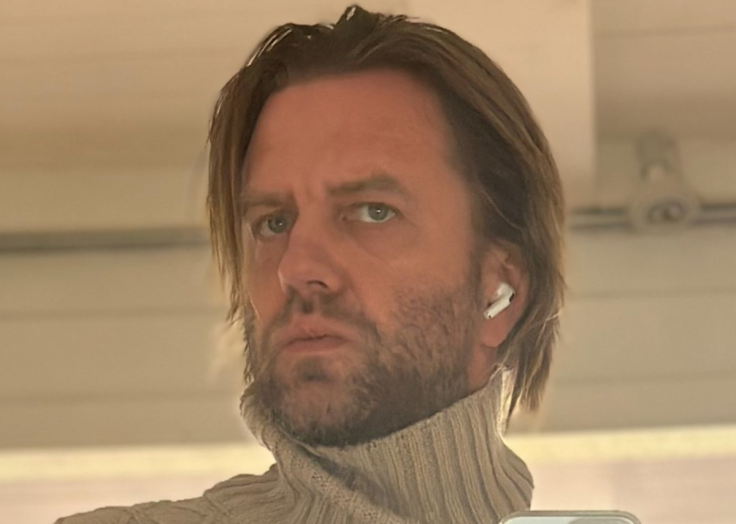
The era of Netflix giving directors huge amounts of money with little oversight has come crashing down. On 11 December 2025, a New York court found filmmaker Carl Erik Rinsch guilty of fraud. This case is one of the strangest financial disasters in the entertainment world. Rinsch, once celebrated for directing 47 Ronin, had been entrusted with a lavish budget to make a new science-fiction series for Netflix.
Instead of delivering the show, he siphoned off millions of dollars for personal gain. The total cost to Netflix is about £44 million ($55 million), and not a single episode ever reached the screen.
From Creative Freedom to Financial Chaos
The problem started in 2018, when Netflix was aggressively courting visionary directors to produce headline-grabbing hits. They bought Rinsch's unfinished sci-fi project for about £35 million ($44 million). The deal gave Rinsch extraordinary creative freedom, even the final say on edits—an indication of Netflix's eagerness to keep creators happy.
However, cracks soon appeared. In March 2020, Rinsch asked Netflix for another £8.7 million ($11 million). He claimed the money was essential to complete the show. Netflix sent the money, hoping it would save the project. Instead, prosecutors proved that Rinsch put the money into his own personal bank account, never using it for production.
Stock Market Gambles and Luxury Items
In court, the details of Rinsch's spending shocked the jury. The director lost nearly half of the extra money on reckless stock market bets. He moved the rest into cryptocurrency and made a profit. Rather than giving the money back to the show, he spent about £8 million ($10 million) on a life of luxury.
Rinsch bought expensive cars, including five Rolls-Royces and a Ferrari. He spent over £515,000 ($650,000) on expensive watches and clothes, and £505,000 ($650,000) on two luxury mattresses and bedding. In a brazen move, Rinsch even used some of the stolen funds to hire lawyers to sue Netflix for more money.
The Show That Never Was
By 2021, it was clear that the show did not exist. Rinsch had produced only a few short clips. Netflix cancelled the project and accepted the loss of £44 million ($55 million). In 2024, the streaming giant won a legal case against Rinsch for £9.5 million ($12 million), though the director has yet to pay the money back.
This case stands apart from Netflix's other costly misfires. Shows like The Get Down and Marco Polo were very expensive but were cancelled due to poor viewership. The Get Down cost nearly £130 million and was cancelled after one season. Unlike those, the Rinsch scandal was not bad luck, but outright fraud.
Changes for 2026
Because of the fallout, Netflix is changing how it works. The company will no longer hand out millions of pounds without scrutiny. Throughout 2025, the company has been very strict. Shows that were considered underperforming were swiftly cancelled, and budgets have been tightly monitored.
For subscribers, these mistakes have a tangible cost. To offset losses and fund new shows, Netflix has increased its prices. In the UK, the Premium plan now costs £17.99 per month. The company must now work hard to earn back the trust of investors and subscribers. They need to prove that the monthly fees support quality entertainment, not luxury cars for directors who fail to deliver.
© Copyright IBTimes 2026. All rights reserved.