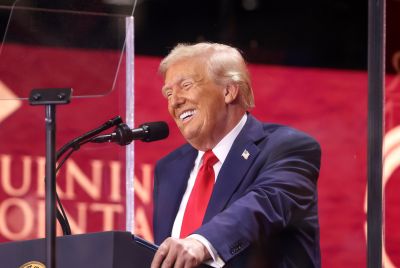
Netizens Claim Donald Trump's 'Rambling' Speech Showed Clear Signs of Dementia
A familiar Donald Trump campaign anecdote has returned to the spotlight, along with disputed questions about what viewers believe it reveals
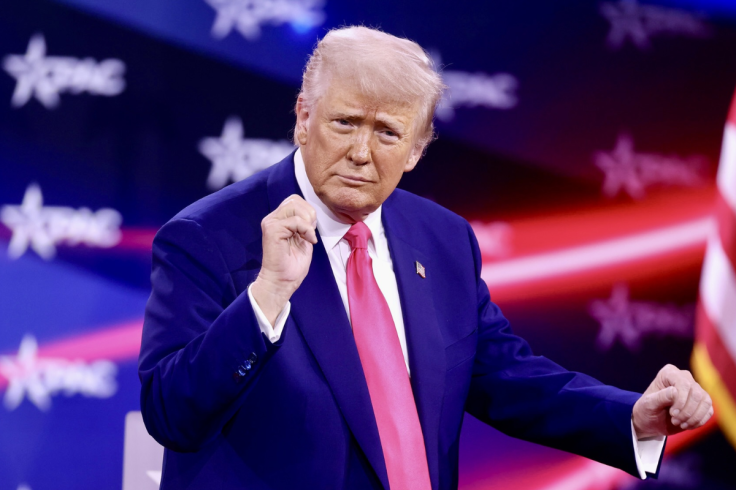
President Donald Trump revived his electric boat and shark story at a White House Rose Garden dinner on Thursday, 17 September 2026, while promoting two executive orders on hunting and saltwater angling. The familiar anecdote quickly drew online criticism and renewed questions about his health, although the remarks do not establish any medical diagnosis.
Trump has used versions of the story since late 2023 and repeated it during the 2024 campaign. At Thursday's event, he again described asking whether water entering an electric boat could cause electrocution. He then contrasted that imagined risk with swimming towards nearby sharks.
Trump told the audience, 'I'll take the electrocution.' He also acknowledged the story's history, saying people had found it 'sort of amusing' during the campaign.
Donald Trump Returns to Electric Boat Story
The Rose Garden event centred on two executive orders signed that day. One, 'Reinvigorating America's Hunting Heritage,' directs federal departments to expand selected hunting opportunities and review barriers to recreational access.
The second, 'Restoring American Saltwater Angling and Recreation,' directs agencies to review rules affecting boaters, anglers and outdoor businesses. It also calls for changes to fisheries data collection and permitting.
Trump used the policy remarks to criticise boating restrictions and what he described as a push to make all boats electric. He said there had been a mandate requiring 'all boats be electric' and claimed he had ended it.
The published executive orders, however, do not identify a federal rule requiring all recreational boats to become electric. The saltwater order instead directs agencies to review, suspend, revise or rescind regulations regarded as unnecessarily burdensome.
Trump also criticised vessel speed restrictions. Existing NOAA rules still require most vessels at least 65 feet long to travel at 10 knots or less in designated seasonal areas along the US East Coast.
A Biden-era proposal would have extended mandatory speed restrictions to many vessels between 35 and 65 feet. NOAA withdrew that proposal in January 2025. The agency has since begun considering possible changes to the existing rule, but the current restrictions remain in force.
Trump's return to the shark story attracted fresh television commentary. On Morning Joe, Joe Scarborough reacted, 'He's back to the shark story,' before the panel discussed the repeated anecdote.
Other critics went further and raised concerns about cognitive decline. Those reactions are opinions based on a public appearance. A speech clip can verify what Trump said, but it cannot establish dementia or another neurological condition.
Donald Trump Health Claims Remain Unverified
Questions about Trump's health have continued during his second term, including discussion of visible bruising on his hands and swelling in his lower legs. The White House has previously addressed both issues publicly.
The White House physician's publicly released memorandum dated 29 May 2026 offered a different assessment. Navy Capt. Sean P. Barbabella, physician to the president, said Trump remained in 'excellent health' with strong cardiac, pulmonary, neurological and overall physical function.
Barbabella also described Trump's cognitive and physical performance as 'excellent' and said he was fully fit to perform his presidential duties. The medical assessment documented lower-leg swelling and hand bruising, which the White House has attributed to chronic venous insufficiency, frequent handshaking and aspirin use.
Separately, psychiatrist Henry David Abraham has publicly questioned Trump's mental health. In a September interview, Abraham said his concerns had worsened since he joined other physicians in an April letter questioning the president's fitness for office.
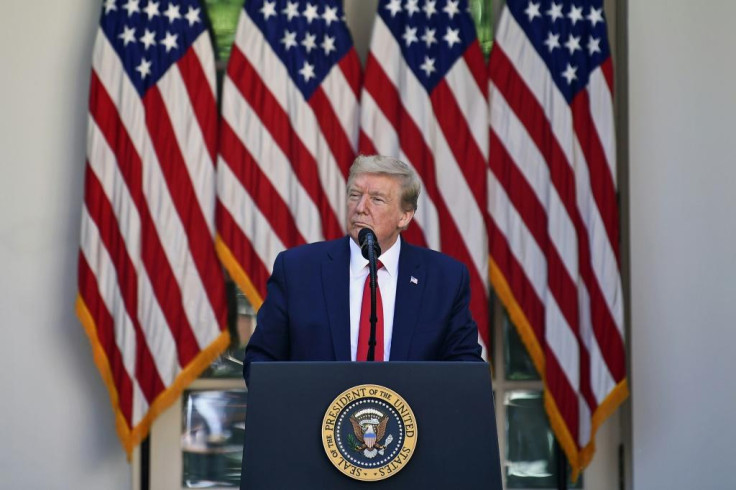
That group acknowledged its members had not personally examined Trump. The White House rejected Abraham's assessment, describing it as an 'armchair diagnosis' and defending Trump's fitness for office.
The distinction matters. The American Psychiatric Association's Goldwater Rule states that psychiatrists may discuss psychiatric issues generally, but should not offer a professional opinion about a public figure without an examination and proper authorisation.
© Copyright IBTimes 2026. All rights reserved.
- Recommended For You