The NHS Just Changed Cancer Care Forever With a 1-Minute Injection
A major shift in cancer treatment delivery
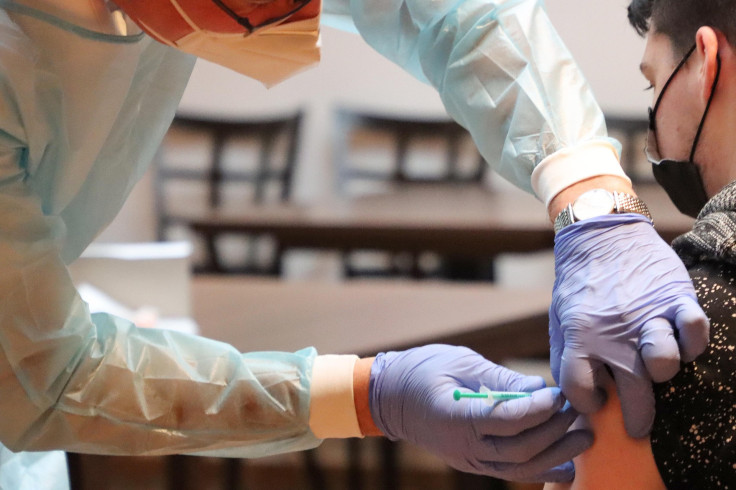
The NHS has begun rolling out a new form of cancer immunotherapy that allows patients to receive treatment in as little as one minute, marking a significant shift in how some of the most widely used cancer drugs are administered across England.
The injection, a subcutaneous version of pembrolizumab (Keytruda), replaces the traditional intravenous drip that can take between 30 minutes and two hours. According to NHS England, the new approach can reduce treatment time by up to 90%, offering a faster and more convenient option for thousands of patients.
The rollout is expected to benefit around 14,000 patients annually who currently receive the drug via infusion, particularly those being treated for cancers such as lung, breast, head and neck, and cervical cancer.
How the 1-Minute Jab Works
Pembrolizumab is an immunotherapy drug that works by stimulating the body's immune system to recognise and attack cancer cells. It belongs to a class of treatments known as checkpoint inhibitors, which have transformed outcomes for a range of cancers over the past decade.
The new injectable form delivers the drug under the skin rather than through a vein, significantly reducing the time required for administration. NHS England says the jab can be given 'in just 60 seconds', compared with the lengthy preparation and delivery process required for intravenous infusions.
Medical experts say the change is not just about convenience, but also efficiency. The NHS estimates that switching eligible patients to the injectable version could save more than 100,000 clinical hours annually, freeing up capacity in hospitals and chemotherapy units.
A Real Step Forward for Patients
NHS leaders have described the development as a major improvement in patient care, particularly for those who require long-term, repeated treatment sessions.
Professor Peter Johnson, NHS England's national clinical director for cancer, said the introduction of the faster injection would make a real difference to patients' lives by reducing the time they spend in hospital settings and allowing more flexibility in care delivery.
'Managing cancer treatment and regular hospital trips can be really exhausting, and not only will this innovation make therapy much quicker and more convenient for patients, it will also help free up vital appointments for NHS teams to treat more people and continue to bring down waiting times.'
While exact quotes vary across NHS communications, the overall message from clinicians has been consistent: shorter treatment times are expected to improve both patient experience and system efficiency.
Cancer charities have also welcomed the development, noting that immunotherapy has already helped extend survival rates in multiple cancer types and that improving access could further enhance outcomes.
Which Patients Will Benefit?
The NHS states that the injectable form of pembrolizumab will be offered to most patients who are already receiving the drug via infusion, covering more than a dozen cancer types.
This includes cancers where immunotherapy is already a standard part of care, such as lung, breast, head, neck and cervical cancers.
The treatment is typically administered every three weeks as a 1-minute injection or every 6 weeks as a 2-minute injection, depending on the cancer type and clinical plan.
Wider Impact on the NHS
Beyond patient convenience, the rollout is expected to have system-wide benefits for the NHS, which continues to face pressure from growing demand for cancer services.
By reducing chair time in chemotherapy units, hospitals can treat more patients within the same infrastructure. NHS England has highlighted this as a key efficiency gain, particularly at a time when waiting lists remain a major concern.
Experts also note that the shift aligns with a broader trend in oncology towards faster, more targeted treatments that reduce hospital dependency and improve quality of life.
A Glimpse of the Future of Cancer Care
While the one-minute injection represents a major milestone, clinicians emphasise that it is part of an ongoing evolution rather than a final breakthrough.
Immunotherapy continues to expand rapidly, with new drugs and delivery methods being developed to improve both survival outcomes and patient experience. Researchers believe further innovations could eventually allow more cancer treatments to be administered outside traditional hospital settings entirely.
For now, however, the NHS rollout of the pembrolizumab injection stands as one of the most practical and immediate improvements in cancer care delivery in recent years.
As hospitals begin scaling up the programme across England, thousands of patients are expected to benefit from shorter appointments, reduced waiting times, and a less disruptive treatment journey, signalling a meaningful shift in how cancer care is delivered in the UK.
© Copyright IBTimes 2026. All rights reserved.
- Recommended For You