NHS to Offer Weekly Injection That Reduces Heart Attack Risk by 20%—Who Gets It First?
Wegovy offers hope for millions at risk of heart attacks and strokes, with a phased rollout planned.

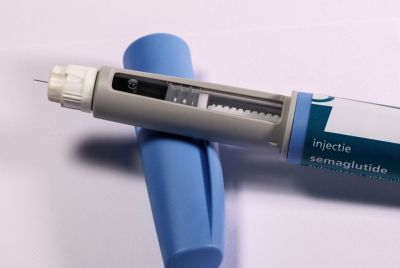
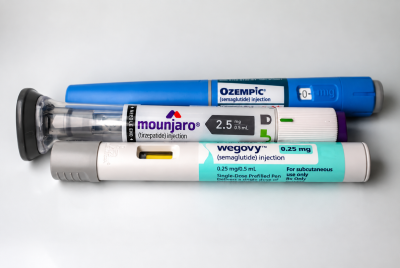
A new weekly weight-loss injection is set to be rolled out across England's National Health Service (NHS), offering hope to millions of patients at heightened risk of heart attacks and strokes.
The drug, known as Wegovy (semaglutide), has been approved by the National Institute for Health and Care Excellence (NICE) as an additional treatment for people already living with cardiovascular disease and obesity.
According to a BBC report, the move could benefit more than a million people, though access will be phased, raising a key question: who will get it first?
Who Qualifies for the Injection?
Under NICE guidance, the treatment will initially be offered to patients who have already experienced serious cardiovascular events such as a heart attack or stroke, or those suffering from conditions like peripheral arterial disease.
Eligibility is also tied to weight. Patients must have a body mass index (BMI) of 27 or above, placing them in the overweight or obese category. Importantly, the injection is not intended as a standalone solution. Doctors will prescribe it alongside existing treatments such as statins and recommend lifestyle changes, including improved diet and increased physical activity.
A GP or specialist will assess whether the drug is suitable for each patient, ensuring it complements their current medication and overall health plan.
How the Drug Works
Wegovy contains semaglutide, a compound that mimics a hormone called GLP-1. This hormone helps regulate appetite by making people feel fuller for longer and slowing down digestion.
While the drug is widely known for aiding weight loss, clinical trials have revealed a broader benefit: it appears to reduce cardiovascular risk independently of weight reduction. According to NICE, early results showed improvements in heart health even before patients experienced significant weight loss.
This suggests the drug may have a direct effect on the heart and blood vessels, making it particularly valuable for those already at risk.
A 20% Reduction in Risk
The most striking finding comes from large-scale clinical trials involving tens of thousands of participants. These studies showed that patients taking semaglutide alongside standard heart medications saw their risk of heart attacks and strokes fall by around 20%.
Helen Knight, a director at NICE, described the evidence as 'compelling,' noting that patients who had already suffered a cardiovascular event often live with anxiety about recurrence. The treatment, she said, offers 'an extra layer of protection' on top of existing therapies.
With around 100,000 hospital admissions for heart attacks and a similar number of strokes recorded annually in the UK, the potential public health impact is significant.
Phased Rollout Raises Questions
Despite the promise, immediate access will not be available to all eligible patients. The NHS plans a gradual rollout beginning later this year, prioritising those deemed most at risk.
This phased approach is partly due to cost considerations and the need to ensure healthcare services can manage demand. NICE has confirmed that an agreement has been reached with the drug's manufacturer, Novo Nordisk, to ensure the treatment remains cost-effective for the NHS.
Even so, some experts have called for faster and broader access. Dr. Sonya Babu-Narayan of the British Heart Foundation expressed hope that the injections could be made available 'as soon as possible' to everyone who stands to benefit.
Benefits and Risks
While the drug offers clear advantages, it is not without potential side effects. Some patients may experience nausea, bloating, or digestive discomfort, particularly in the early stages of treatment.
There are also ongoing questions about long-term use. Currently, NHS guidelines recommend the injection for a maximum of two years through specialist services, although some experts argue that longer treatment may be necessary to maintain benefits and prevent relapse.
Professor Robert Storey, a cardiovascular expert, has also cautioned that GLP-1 drugs may reduce muscle mass as well as fat, emphasising the importance of physical activity, especially resistance training, to maintain strength.
A Shift in Preventive Care
The introduction of Wegovy marks a notable shift in how cardiovascular disease is managed in the UK. Rather than focusing solely on treating events after they occur, the NHS is increasingly investing in preventive measures to reduce future risk.
For patients who have already experienced a heart attack or stroke, the new injection represents more than just a medical option; it offers reassurance in the face of uncertainty.
As the rollout begins, the key challenge will be balancing demand with access. But for many, the message is clear: a new tool is emerging in the fight against heart disease, one that could significantly change outcomes for those most at risk.
© Copyright IBTimes 2026. All rights reserved.
- Recommended For You