Hantavirus and Mice Droppings: Do All Carry the Virus? Cruise Ship Outbreak Explained
The hantavirus outbreak on MV Hondius raises international health concerns as WHO investigates.

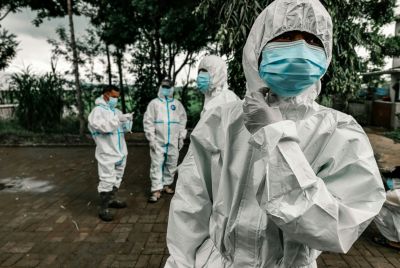
A suspected hantavirus outbreak aboard the Dutch expedition vessel MV Hondius has left three passengers dead and several others critically ill, turning a little-known rodent-borne virus into an international health concern overnight.
The World Health Organization has confirmed one laboratory-positive case, with five additional infections under investigation as the ship remains under emergency management off Cape Verde.
The headlines have inevitably triggered a more visceral public question: if hantavirus spreads through rodent urine and droppings, does every mouse infestation now amount to a lethal threat? The answer is no. But that does not make the current incident trivial, and it does expose how poorly understood this virus still is outside medical circles.
Not Every Mouse Carries Hantavirus
Hantavirus is not carried by all mice, nor are all droppings infectious. The virus belongs to a family of rodent-associated pathogens, and transmission depends on two conditions being met. First, the rodent species must be a known carrier. Second, that individual animal must actually be infected.
In North America, for example, the principal carrier of the Sin Nombre strain, which causes Hantavirus Pulmonary Syndrome, is the deer mouse. Other wild rodents such as cotton rats, rice rats and white-footed mice can also host related strains. The common urban house mouse is not considered the main hantavirus reservoir in the US.
Even within carrier populations, infection rates are not universal. Field surveillance studies typically find only a minority of wild rodents actively shedding the virus at any one time.
That distinction matters because social media reaction to the cruise ship outbreak has drifted quickly into broad claims that 'mouse droppings kill'. They can, under the wrong circumstances.

Mouse Droppings Are Unhygienic, And Should Be Treated As If They Might Be
You cannot tell by looking whether rodent droppings came from an infected carrier. No visible marker exists. Health authorities such as the Centers for Disease Control and Prevention, therefore, recommend treating all wild rodent contamination as potentially hazardous, especially in enclosed settings.
What should not be done is often the thing people instinctively do first: sweep or vacuum. Dry cleaning aerosolises contaminated dust. That is the pathway experts specifically warn against.
Instead, the area should be ventilated, soaked thoroughly with disinfectant or diluted bleach, left for several minutes, then wiped using gloves and sealed disposal bags. Respiratory protection is advised if contamination is extensive.
That may sound excessive for a few pellets in a storeroom, but what the MV Hondius episode has underlined is that hantavirus remains rare until the moment exposure becomes real. Then rarity offers very little comfort.
WHO has stressed that the wider public risk remains low. Still, three deaths on one vessel are enough to remind people that rodent contamination is not always a housekeeping nuisance. Sometimes it is the beginning of a medical emergency.
The Real Danger Comes From Disturbed Contamination
Humans generally do not catch hantavirus by merely seeing rodent faeces in a corner.
Infection usually occurs when dried urine, saliva or droppings from an infected rodent are disturbed, allowing microscopic viral particles to become airborne and inhaled.
This is why enclosed, poorly ventilated environments create the most concerning exposure scenarios. Cabins, storage compartments, utility areas, old sheds and rarely cleaned spaces are classic risk zones.
That is one reason investigators are taking the MV Hondius cluster seriously. The ship had around 150 passengers on a multi-week voyage from Argentina through Antarctic waters toward Cape Verde, a long enough period for both exposure and symptom development, given hantavirus's incubation window of roughly one to eight weeks.
Authorities have not yet confirmed whether exposure occurred on board, before embarkation or during land stops, but WHO epidemiological tracing is now focused on precisely that question.
Online discussion has centred on the same uncertainty. Some cruise observers argue passengers may have boarded already exposed. Others point to symptomatic crew members as a sign that investigators cannot rule out an environmental source on the vessel itself. Right now, neither theory is settled, which is why health officials are being noticeably cautious with their wording.
Why This Virus Commands Outsized Fear
Part of the alarm is statistical. Hantavirus infections are rare, but the pulmonary form can be brutally severe once it advances. Early symptoms often resemble influenza, including fever, muscle pain, chills and headache. Then the condition can pivot quickly into chest tightness, fluid-filled lungs and respiratory collapse.
Medical literature places the fatality rate for Hantavirus Pulmonary Syndrome at roughly 35 per cent, which is high enough to make even a handful of cases headline material.
There is also no specific cure. Treatment relies on supportive hospital care, oxygen management and intensive monitoring while clinicians try to keep the patient alive through the respiratory phase. Once severe breathing difficulty begins, delayed intervention becomes a serious problem.
That is exactly why one confirmed case and five suspected cases on a ship are being treated as a substantial incident rather than an isolated illness cluster.
© Copyright IBTimes 2026. All rights reserved.
- Recommended For You