Farage Backs Sean 'Diddy' Combs Release and Hails Push to Free Convicted Drug Trafficker
Farage's comments on high-profile prison cases draw criticism and highlight inconsistencies in his law-and-order rhetoric.

A fresh political storm has erupted after Nigel Farage publicly backed calls to release Sean 'Diddy' Combs while praising efforts to free a convicted drug trafficker.
The remarks, drawn from past statements and resurfaced in a recent investigation, have triggered scrutiny over Farage's record on criminal justice interventions. They also raise broader questions about political advocacy for controversial figures and the consistency of law-and-order rhetoric.
The controversy comes at a politically sensitive moment, as Farage continues to position himself as a leading voice on crime and public policy.
Farage's Comments On High-Profile Prison Cases
Records reviewed in The Guardian investigation show that Farage had previously expressed support for the release of Combs, who has faced legal scrutiny in the United States, though not all allegations have resulted in convictions.
In addition, Farage praised a campaign advocating the release of a convicted drug trafficker, describing the effort in favourable terms. The comments were made in public forums and interviews, where he framed the cases as potential examples of injustice or excessive punishment.
While Farage did not hold formal office at the time of some of the remarks, his public profile ensured that the statements carried political weight. His interventions appeared to align with a broader pattern of commentary on criminal justice cases involving claims of unfair treatment.
Critics argue that such endorsements risk undermining confidence in judicial outcomes, particularly where convictions have been secured through established legal processes.
Scrutiny Over Consistency And Political Messaging
The resurfacing of Farage's statements has prompted criticism from political opponents and legal commentators, who question the apparent inconsistency between his support for strict law enforcement and his backing of specific prisoners.
Analysts note that Farage has frequently advocated tougher sentencing policies and stronger policing measures. His past rhetoric has emphasised deterrence and public safety, making his support for individual release campaigns more contentious.
Legal experts point out that advocacy for prisoner release is not uncommon, particularly in cases involving claims of wrongful conviction or disproportionate sentencing. However, they stress that such interventions typically rely on new evidence, legal appeals, or procedural concerns.
In the cases cited, it remains unclear whether Farage's support was based on detailed legal analysis or broader political positioning. The lack of publicly documented legal arguments underpinning his stance has fuelled further debate.
Context Surrounding Combs And The Drug Trafficking Case
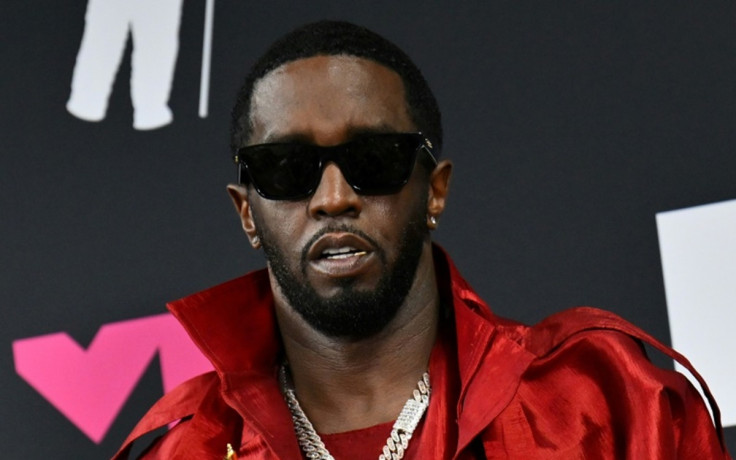
Combs, a prominent figure in the global music industry, has faced a series of legal challenges in recent years, including civil lawsuits and investigations. While these matters have attracted significant media attention, they remain subject to ongoing legal processes in the United States.
The convicted drug trafficker referenced in Farage's comments was sentenced following a criminal trial, with courts determining guilt based on presented evidence. Campaigns advocating release in such cases often centre on claims of sentencing disparity, rehabilitation, or procedural concerns.
Advocacy groups argue that public figures can play a role in highlighting potential injustices within the legal system. However, critics caution that selective support for high-profile or controversial individuals may distort public understanding of broader criminal justice issues.
The intersection of celebrity, politics, and criminal law has historically generated significant public interest, particularly when influential figures intervene in legal matters.
Political And Public Reaction Intensifies
The renewed focus on Farage's past remarks has triggered strong reactions across the political spectrum. Opponents have accused him of double standards, while supporters argue that his comments reflect a willingness to challenge perceived injustices.
Public reaction has been amplified by social media, where excerpts of Farage's statements have circulated widely. The debate has also reignited discussions about the role of politicians in commenting on individual legal cases.
Farage has not issued a detailed response to the latest wave of criticism at the time of writing. However, allies suggest that his remarks should be viewed in the context of broader concerns about fairness within the justice system.
The controversy underscores the delicate balance between political advocacy and respect for judicial independence, particularly in cases involving serious criminal convictions.
The episode adds to mounting scrutiny of Farage's record, highlighting the complexities and risks of political engagement with contentious legal cases.
© Copyright IBTimes 2026. All rights reserved.
- MOST POPULAR IN World