

Woman Who Dismissed Husky Voice as Asthma Later Diagnosed With Incurable Stage Four Lung Cancer
Natasha Loveridge initially thought she had asthma or long Covid before scans found the disease had spread to her brain
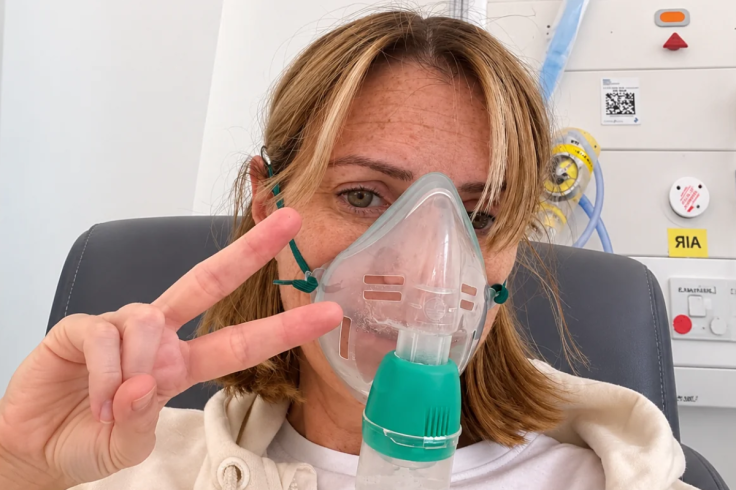
A non-smoking woman initially mistook her husky voice, squeaky breathing and persistent cough for asthma before discovering she had incurable stage four lung cancer.
Natasha Loveridge was 48 when she first noticed changes in her voice and breathing in June 2022. The former primary school teacher from West Yorkshire initially suspected late-onset asthma or long Covid.
However, medical investigations revealed that she had lung cancer, which had spread to her brain by January 2023, making the disease incurable.
Husky Voice and Squeaky Breathing Initially Mistaken for Asthma
According to the New York Post, Natasha first noticed her voice becoming unusually husky while preparing to attend a garden party with her husband and friends.
She joked that her voice sounded 'sexy', comparing it to singer Bonnie Tyler. A couple of months later, she developed unusual squeaky breathing when taking a deep breath, alongside a dry cough.
Recalling the experience, Natasha said: 'We were headed to a garden party and I noticed my voice sounded husky. I joked with my husband and my friends that it sounded sexy, a bit like Bonnie Tyler's voice.' She described her breathing as sounding like 'a dog's squeaky toy'.
By the end of August 2022, the symptoms had persisted, prompting her to visit her GP. According to Examiner Live, she underwent several tests before doctors confirmed her lung cancer diagnosis in December 2022. Her initial treatment plan involved surgery, chemotherapy and targeted therapy.
Headaches Led to Devastating Stage Four Cancer Diagnosis
While waiting for treatment, Natasha began experiencing headaches. She informed her medical team, who arranged a brain scan to investigate whether the cancer had spread.
In January 2023, doctors discovered that the disease had reached her brain, changing her diagnosis to stage four.
The New York Post reported that Natasha was informed within two hours that surgery and chemotherapy were no longer options.
She said: 'Within two hours – in January 2023 – I was told there would be no surgery, no chemotherapy, it is stage four and it's incurable.'
Doctors explained that her cancer was linked to a spontaneous genetic mutation rather than her lifestyle. Natasha had never smoked.
Daily Treatment Helps Control Incurable Cancer
Natasha was prescribed daily targeted therapy tablets to help control the disease and slow its progression. Her cancer is currently stable, although she continues to undergo chest and brain scans every three months.
As reported by The Mirror, her experience has also highlighted the importance of recognising lung cancer symptoms, particularly persistent hoarseness, even among non-smokers.
The fatigue caused by her medication has prevented her from continuing her work as a primary school teacher.
Natasha and her medical team have agreed to use radiotherapy if new areas of cancer develop, describing their approach as 'whack-a-mole'.
Despite the uncertainty, she continues to make plans, travel and spend time with family and friends. She has also started yoga teacher training.
'I try not to look too far into the future but I do still have dreams and plans,' she said.
GP Warns Non-Smokers About Lung Cancer Symptoms
Dr Elise Lang, a GP and Macmillan cancer support clinical adviser, stressed that lung cancer can affect people who have never smoked.
She said: 'Although smoking tobacco is the cause of most lung cancers and the biggest risk factor, some people who have never smoked can also get lung cancer.'
Macmillan advises people to consult their GP if they experience a cough lasting three weeks or longer, changes in an existing cough, repeated chest infections, unexplained breathlessness or wheezing, or coughing up blood.
Other warning signs include unexplained weight loss, persistent tiredness, chest or shoulder pain and a hoarse voice lasting three weeks or more.
Natasha hopes that sharing her experience will encourage people not to dismiss persistent changes in their voice or breathing, regardless of their smoking history.
© Copyright IBTimes 2026. All rights reserved.